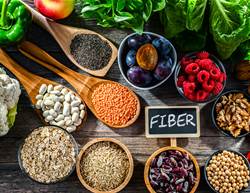
Whether the goal is to lose weight, stabilise blood sugar or make bowel movements more regular, eating more high-fibre foods can help. While there are many potential perks of increasing this nutrient, the benefits of eating fibre start in the gut.
Fibre itself is straightforward but powerful. “I like to think of fibre as the skeleton of plants, giving them their shape,” says lifestyle medicine health coach Dr Brooke Bussard. “This fibre is not digestible in the human small intestine, and it’s passed to the large intestine where it serves as food for our gut bacteria. fibre differs from the other carbohydrates, sugars and starches, because it supplies nutrition for our microbiome rather than our own cells.”
Ahead, experts explain how eating enough fibre can help support gut health and share high-fibre foods worth adding to the plate.
Why fibre is important for gut health
Fibre supports gut health in a few key ways. First, it serves as food for the millions of bacteria living in the gut. “It is the prebiotic to our probiotics,” explains Dr Bussard. “When the gut bacteria metabolize fibre, they create compounds that have beneficial effects on our health.”
Among these compounds are short-chain fatty acids, which have been shown to help combat inflammation, obesity, diabetes and cancer and to help regulate the immune system and protect the heart, liver and brain, according to research.
“fibre keeps our gastrointestinal contents moving along so the contents of our food don’t sit in the system for too long, causing constipation and irritating the lining of our colon,” Dr Bussard adds. This is especially true of insoluble fibre, the type found in vegetables and whole grains that helps food pass more quickly through the gastrointestinal tract, according to the National Library of Medicine.
The other main type, soluble fibre, is found in foods such as oats, seeds and lentils. It absorbs water, slows digestion and can increase feelings of fullness, which is one reason higher-fibre meals often feel more satisfying.
Other benefits of getting enough fibre
Beyond improving digestion and nourishing beneficial gut bacteria, “fibre-rich foods can stabilize blood sugars, lower cholesterol, support satiety and reduce the risk of heart disease and colon and rectal cancers,” says registered dietitian Jordan Hill.
A 2024 review in Frontiers in Nutrition concluded that increasing dietary fibre, both soluble and insoluble, can improve overall health and may reduce the risk of heart disease, type 2 diabetes, obesity, bowel cancer and inflammation.
High-fibre foods to add to your plate
There is no single global daily fibre target, but general guidelines suggest aiming for about 14 grams of fibre for every 1,000 kilojoules eaten. For many adults, roughly 25 grams of fibre per day is a useful benchmark, although a dietitian or healthcare professional can offer a more individual recommendation.
Here are some high-fibre foods experts suggest including regularly.
Avocados
“Avocados are surprisingly high in fibre and are also a source of healthy fat, good for satiety and heart health,” Hill says. Half an avocado provides around 7 grams of fibre according to standard nutrition data.
Beans
“Beans are my favorite because they are affordable, accessible and there is a wide variety to choose from,” says Dr Bussard. Fibre content varies slightly by type, but most provide about 7 grams per half cup of cooked or canned beans.
Berries
Both Hill and Dr Bussard rate berries for their versatility. They can be eaten fresh or frozen, on their own or mixed into smoothies, porridge or even salads. Raspberries, blackberries and blueberries each contain around 8 grams of fibre per cup.
Chia seeds
“Chia seeds are tiny but powerful and can be added to smoothies, oats, yoghurt and salads, providing soluble fibre to help with digestion and stabilize blood sugars,” Hill says. Two tablespoons of chia seeds contain nearly 11 grams of fibre.
Apples
Apples are an easy grab-and-go option. “A convenient high-fibre snack that doesn’t require prep work, apples can last in the refrigerator for a few weeks,” says Dr Bussard. Depending on the size and variety, one apple typically contains between 3 and 5 g of fibre.
Cruciferous vegetables
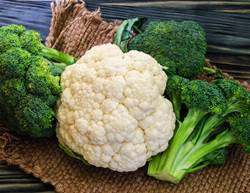
“Cruciferous vegetables, like broccoli, cauliflower and Brussels sprouts, have a great fibre content along with sulforaphane, so they double down on cancer prevention,” Dr Bussard says. Broccoli and cauliflower each provide about 2 grams of fibre per cup and Brussels sprouts contain almost 5 grams per cup.
Lentils
“Lentils add lots of fibre in a small volume,” Dr Bussard says. “Add them to soups and stews, use them for lentil chili or for lentil-walnut taco meat. Red lentils disappear in marinara sauce.” Half a cup of cooked lentils delivers about 8 grams of fibre.
Whole grains
“Whole grains like oats and quinoa are slow-digesting carbohydrates that provide steady energy and a source of fibre,” Hill says. About half a cup of uncooked rolled oats contains roughly 5 grams of fibre and a cup of cooked quinoa offers about 5 grams of fibre as well.

 Newsletter
_(10).jpg&h=90&w=90&c=1&s=1)
_(9).jpg&h=90&w=90&c=1&s=1)