_(20).jpg&h=630&w=1120&c=1&s=1)
In summary
- Japan has overtaken Bali as the most popular holiday destination among Australians, with more than a million visiting in 2025.
- Hotel managers in Tokyo, Kyoto and Osaka share their insider picks for neighbourhoods, don't-miss experiences, food and under-the-radar spots.
- Highlights range from Ginza's Michelin-starred dining and Kyoto's Miyagawa-cho geisha district to Osaka's Dotonbori and a day trip to Kobe and Arima Onsen.
Move over, Bali. Japan is now the most popular holiday destination among Australians, with more than a million of us heading there in 2025. For many of us, it’s the cities – buzzing Tokyo, traditional Kyoto, warm and welcoming Osaka – that are the most beguiling destinations.
To help you make the most of your trip, we went straight to the experts: hotel managers who live and work in the city, and whose job it is to help their guests have a great stay. Read on for their take on the cities they love.
Tokyo Tales
In a city of 14 million people, it can be hard to know where to start. Fabio Testa, hotel manager at The Tokyo EDITION, Ginza, shares some pointers.
Why I love my neighbourhood
Ginza offers great options for shopping and dining, with three of Tokyo’s best department stores and a wide range of local shops. It’s also one of the areas with the best bars and restaurants in town.
Tokyo’s don’t-miss experiences
Ginza Street (Ginza Chuo-dori) is an amazing experience, with its shopping, cafes and restaurants. Close to Ginza, I also recommend visiting Tsukiji, the iconic former fish market, where visitors can enjoy not only amazing food but also embrace local culture. Lastly, there’s the famous Kabuki theatre, where visitors can experience one of the most meaningful performances, with dramatic acting, traditional music and intricate dancing.
Let’s talk food
Ginza has one of the highest concentrations of Michelin-starred venues in the world, but it also offers very affordable options. Ramen is a classic, and I recommend Ramen Kagari. My favourite restaurant in Ginza is Kappou Ukai, where you can enjoy a counter experience focused on beef and seasonal items such as sashimi and Japanese vegetables. Last, I really love Robataya (slow-grilling over charcoal).
Under-the-radar spots
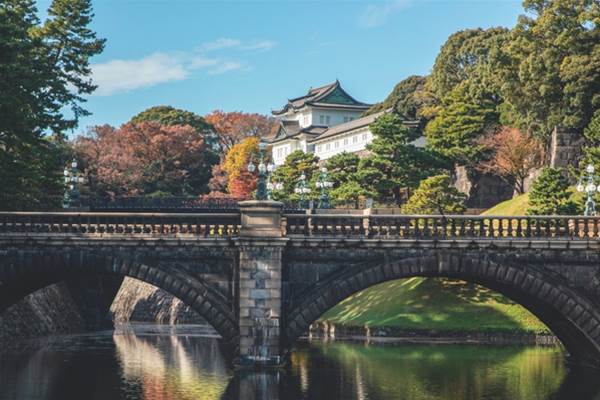
The Imperial Palace East Gardens are the former site of Edo Castle’s innermost circles of defence. The remaining foundation of the former castle tower sits on top of the hill, and a Japanese-style garden has been created in place of the castle’s former palace buildings. I also recommend visiting Asakusa, not only for the famous temple but also for Kappabashi Dougu-gai, the restaurant-supply market, where you can purchase amazing pottery and knives, and Akihabara, the famous tech district, where you can go gadget shopping and embrace manga culture.
The perfect night out in Tokyo
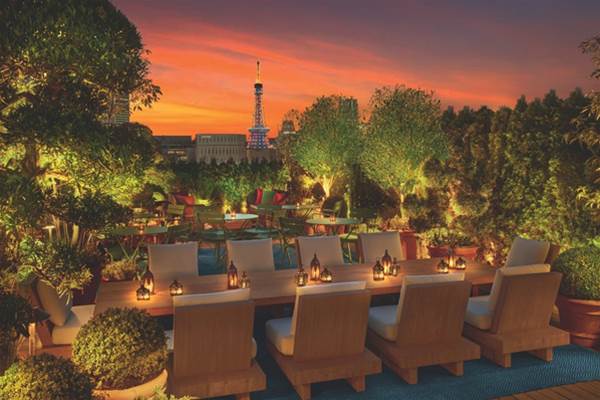
Start with an early drink at The ROOF, our rooftop bar, until sunset. Then experience an omakase sushi and close the night with some bar hopping in Ginza, where there are a lot of hidden small bars.
Kyoto Lowdown
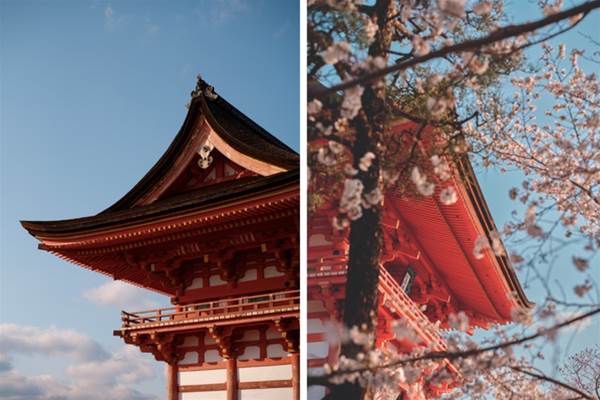
Kyoto, Japan’s cultural capital, is home to over 1,600 Buddhist temples and 400 Shinto shrines. John Blanco, general manager of Capella Kyoto, helps you narrow down your hit list.
Why I love my neighbourhood
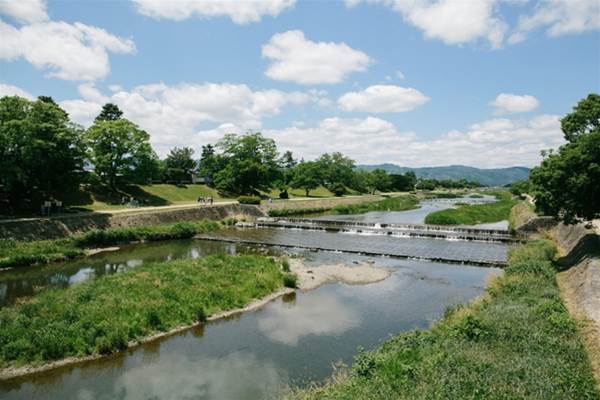
Capella Kyoto is nestled in Miyagawa-cho, one of Kyoto’s five historic geisha districts, where the rhythm of daily life still reflects centuries of tradition. Directly across from the hotel to the east stands Kennin-ji, Kyoto’s oldest Zen temple, while just across to the west is the historic Miyagawa-cho Kaburenjo, where maiko and geiko (also known as geisha) continue to perform. The picturesque Kamo River is also just a short stroll away. Unlike busier tourist areas, our neighbourhood offers a quieter, more authentic side of Kyoto. Guests can wander along stone-paved lanes, discover artisan workshops, visit intimate temples and shrines, and experience the city’s cultural heritage as part of everyday life rather than as a performance.
Kyoto’s don’t-miss experiences
Kiyomizu-dera Temple is a must-do, ideally as an early-morning 15-minute stroll from Capella Kyoto, to be rewarded with a stunning view of the city. Another don’t-miss is to cycle around the many different neighbourhoods of the city, each with a surprising variety of charming local businesses to discover.
Let’s talk food
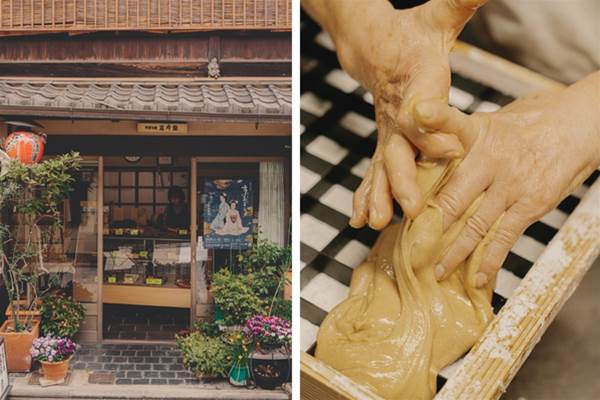
In our neighbourhood, there’s a small shop, Meigetsudo, that makes a delicious Nikki (cinnamon) mochi to snack on while you explore. I also love a delicious bowl of chicken kotteri (thick broth) Kyoto-style ramen at Tenkaippin near Chion-in Temple.
Under-the-radar spots
We encourage guests to explore Miyagawa-cho itself. It offers an intimate glimpse into Kyoto’s living traditions without the crowds, and guests may even encounter maiko on their way to the Kaburenjo. Another rewarding experience is visiting local artisan studios, whether a geta [Japanese sandal] craftsman, lacquer artisan or calligrapher. These encounters provide insight into the craftsmanship that continues to shape Kyoto today.
The perfect night out
An exclusive ochaya kaiseki dining experience [multi-course meal in a traditional teahouse] with geisha entertainment, followed by exceptional cocktails in one (or more) of Kyoto’s world-class cocktail bars such as Bee’s Knees or Rocking Chair.
All About Osaka
Osaka is Japan’s gastronomic hub, but there’s a lot more to this welcoming city, according to Mark Meaney, general manager of Hilton West Japan and Korea.
Why I love my neighbourhood
Waldorf Astoria Osaka is located in Umekita, directly connected to Osaka Station. From the hotel, guests can access Grand Front Osaka shopping complex, Grand Green Osaka park and Umeda’s renowned department stores via covered walkways. What makes this neighbourhood truly special is its balance of urban energy and nature. Just outside the hotel is a spacious urban park that reminds me of the green spaces found in the heart of Sydney or Melbourne. It’s rare in Japan to find such a harmonious blend of convenience, greenery and connectivity.
Osaka’s don’t-miss experiences
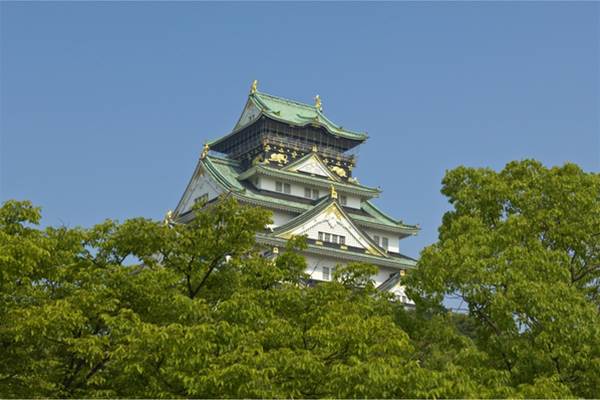
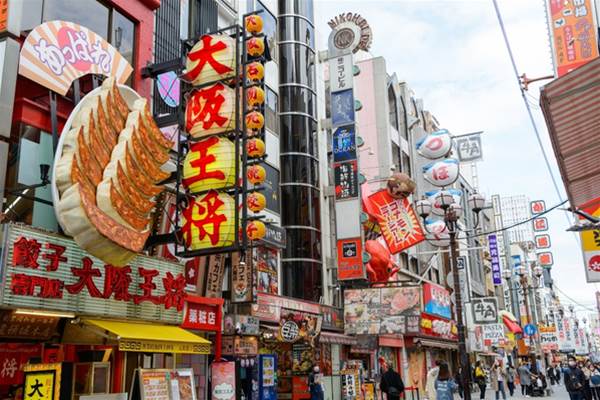
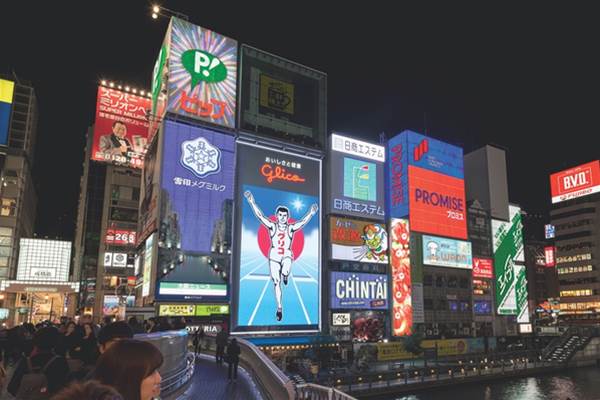
Osaka Castle certainly deserves its reputation. Beyond its magnificent architecture and fascinating history, the surrounding park is beautiful throughout the seasons, from cherry blossoms in spring to vibrant autumn colours. Dotonbori’s bright lights, lively atmosphere, street food and unmistakable energy capture the spirit of Osaka like nowhere else. For first-time visitors, it offers an unforgettable introduction to the city’s vibrant personality.
Let’s talk food
Takoyaki (octopus balls) and okonomiyaki (omelette) are wonderful, but the Kansai region has so much more to offer. I encourage visitors to experience seasonal Japanese cuisine, sushi and teppanyaki, which celebrate the exceptional ingredients of the region.
Under-the-radar spots
I highly recommend taking a day trip to Kobe and Arima Onsen. Both are about an hour away and offer a completely different perspective on Japan. Spend the morning exploring Kobe’s elegant waterfront, international heritage and stylish cafes before heading to Arima Onsen, one of Japan’s oldest and most celebrated hot spring towns. In a single day, you can experience sophisticated city life, beautiful natural scenery and centuries-old Japanese wellness traditions. It’s one of the great advantages of using Osaka as your base for exploring the Kansai region.
The perfect night out
I would begin with dinner overlooking the city, enjoying seasonal Kansai ingredients as the sun sets over Osaka. One thing many visitors discover is Osaka’s wonderful bar culture. People here genuinely enjoy conversation, and there’s a warmth and openness that reminds me a little of Australia’s pub culture. At the same time, Osaka has become home to an outstanding collection of world-class cocktail bars. If you’re looking to experience a livelier side of the city afterwards, a walk through the neon-lit streets of Dotonbori provides the perfect contrast and a memorable end to the evening.

 Newsletter
_(14).jpg&h=90&w=90&c=1&s=1)
_(13).jpg&h=90&w=90&c=1&s=1)


_(10).jpg&h=90&w=90&c=1&s=1)
.jpg&h=193&w=250&c=1&s=1)