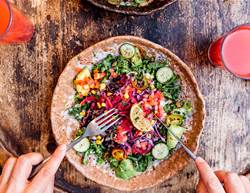
Weight loss is a common goal at the start of a new year, but it works best with a focus on health, balance and sustainability. A calorie deficit is needed to lose weight, yet the way that deficit is created matters. The right eating pattern can support weight management while nourishing the body, lifting energy levels and supporting overall wellbeing. It is not about quick fixes or extreme rules – the best diets for weight loss help build habits that last.
There are many ways to support weight loss through food. The most effective approaches prioritise nutrient-dense choices, flexibility and enjoyment. A successful plan is not built on deprivation. It creates a way of eating that fits into everyday life and helps you feel well. Whether the appeal is more plant-based meals, a slightly more structured framework or something in between, there is usually an option that can align with personal goals and preferences.
The options below are supported by research and are designed to help promote safe, steady weight loss while supporting long-term health.
The best diets for weight loss
Mediterranean diet
The Mediterranean diet is often regarded as a gold standard for healthy eating and weight management. Research suggests it may support a healthy weight and is also linked with longer life expectancy, lower stress levels, reduced risk of type 2 diabetes and improved blood pressure control.
“The Mediterranean diet focuses on lean meat and fish with limited red meat, as well as plenty of fruits and vegetables, healthy fats and oils, herbs and spices and whole grains,” White explains. “Incorporating this kind of food into your diet may lead to many health benefits in addition to losing weight,” he adds, noting potential gains for heart health, brain function, inflammation and blood sugar balance.
DASH diet
The DASH diet, or Dietary Approaches to Stop Hypertension, is a nutrition plan designed to help lower blood pressure and cholesterol and support a healthy weight. “The DASH diet is very similar in concept to the Mediterranean diet but has an emphasis on low sodium intake for heart health, striving for a daily recommended intake of 1500–2300 mg of sodium per day,” White explains. It focuses on many of the same foods as the Mediterranean pattern, with plenty of fruits, vegetables, lean meats and whole grains. The diet also emphasises foods rich in calcium, magnesium and potassium, as adequate levels of these nutrients are linked to healthy blood pressure.
A 2020 study found that following the DASH diet helped adults aged 65 and older with obesity reduce body fat, while a 2021 meta-analysis from the National Institutes of Health concluded that pairing the DASH diet with increased physical activity may support weight loss and lower blood pressure.
MIND diet
The Mediterranean–DASH Intervention for Neurodegenerative Delay (MIND) diet is a little different, as it is not built around counting kilojoules or strict weight loss rules. “The MIND diet actually combines elements of the Mediterranean diet and the DASH diet,” registered dietitian nutritionist Adiana Castro explains, with a “stronger focus on brain health.”
“The diet focuses on adding vegetables, especially green leafy vegetables, berries, nuts, whole grains, lean protein, beans and legumes, and limits red meat and cheese and allows for rare occasions of fried foods, pastries, sweets and processed foods,” Castro says. The pattern is effective for both brain health and weight management because “nutrient-dense and fibre-rich foods help promote satiety and healthy weight.” Emerging data link higher adherence to the MIND diet with a reduced risk of obesity.
Atlantic diet
The Atlantic diet originated in coastal regions along the Atlantic and is considered a traditional eating pattern from north-western Spain and Portugal. “It offers a balanced and nutrient-dense approach to eating, which is helpful for long-term health and weight management,” Castro explains. Research found that following the Atlantic diet “significantly reduced” rates of metabolic syndrome, a cluster of conditions including high blood pressure, high blood sugar, excess abdominal fat and abnormal cholesterol levels.
The diet places strong emphasis on fresh, local and seasonal seafood, vegetables, fruits, legumes, whole grains, healthy fats and moderate dairy intake. Castro notes that traditional cooking methods such as grilling, steaming and baking with olive oil are also central to the pattern. The combination of fibre, protein and healthy fats can support fullness between meals and align well with a goal of gradual fat loss.
Intermittent fasting
Unlike many diets, intermittent fasting focuses less on what or how much you eat and more on when you eat. “Intermittent fasting is a diet strategy that focuses on your meal timing in addition to healthy eating,” White explains. Common schedules include the 16:8 approach, which involves fasting for 16 hours a day (including sleep) and eating all meals within an eight-hour window. “This method has benefits for some but if used improperly or for long durations of time, it can also be harmful, especially depending on your health condition.”
Research has found intermittent fasting can support weight loss, but it is still unclear whether it is more or less effective than simply eating fewer kilojoules or following specific eating patterns. One recent study compared intermittent fasting with calorie restriction, with both groups receiving support and exercise recommendations. After 12 months, the intermittent fasting group lost about 2.9 kilograms more than those following the calorie-restricted plan. Anyone considering this style of eating should speak with a doctor or healthcare provider first to check whether it is safe and appropriate.
Volumetrics
Volumetrics is built around the idea of eating larger portions of foods that are lower in kilojoules so you feel full while still staying in a deficit. It focuses on foods with a high water and fibre content such as fruit, non-starchy vegetables, broth-based soups and low-fat dairy. “Your food will be categorised by how nutrient-dense it is,” White explains. The lowest-density foods can be enjoyed in generous portions, while higher-density foods are eaten less often and in smaller serves.
White outlines the categories as follows:
- Category 1 (very low kilojoule density): Unlimited portions
- Examples: Non-starchy vegetables, most fruits, broth-based soups, low-fat dairy
- Category 2 (low kilojoule density): Moderate portions
- Examples: Starchy vegetables, whole grains, lean proteins, legumes
- Category 3 (medium kilojoule density): Smaller portions
- Examples: Cheese, bread, desserts, higher-fat meats
- Category 4 (high kilojoule density): Minimise or reserve for occasional use
- Examples: Fried foods, lollies, nuts, oils, chips
By prioritising Category 1 and 2 foods and budgeting for small amounts from Categories 3 and 4, Volumetrics can help create a satisfying, lower-kilojoule way of eating that supports gradual, sustainable weight loss.
Vegetarian diet
There are many reasons someone might choose a vegetarian way of eating, including ethics, culture, personal preference or weight loss. Vegetarian diets are plant rich and exclude meat but can include other animal products such as milk and yoghurt. “These diets are low in saturated fats, add whole plant-based foods and have protein options as well,” Castro explains, noting that this combination can support weight loss.
Research suggests that vegetarian diets often lead to greater weight loss than non-vegetarian diets, likely thanks to their higher fibre content and focus on minimally processed plant foods.
Vegan diet
A vegan diet is similar to a vegetarian pattern but excludes all animal products, including meat, dairy, eggs and often honey and gelatine. “Vegan diets are rich in plants, high in fibre and low in fat,” Castro explains, which may be helpful for people with a weight loss goal.
However, she notes that it can be easy to overdo refined carbohydrates and under-eat protein if meals are not well planned. The quality of food matters and a vegan pattern built mostly on ultra-processed options such as vegan cheeses, snacks and mock meats may not deliver the same results as one centred on whole foods.
Even so, research shows that reducing animal products can still support weight loss. In one study of 244 adults who followed either a vegan or a regular diet for 16 weeks, those in the vegan group lost significantly more weight. The findings suggest that replacing animal products with plant-based options, even when some are processed, can be an effective strategy for weight management.
Flexitarian diet
The Flexitarian diet, popularised by dietitian Dawn Jackson Blatner in her 2009 book The Flexitarian Diet, encourages a mostly plant-based pattern with room for some animal products. “It focuses on reducing or limiting meat in the diet, opting for a more plant-based approach prioritising fruits, vegetables, legumes and whole grains with meals,” White explains. “For example, you might occasionally have lean meat, fish or poultry in only one meal per day or just a few times per week.”
Castro says this style suits people who want to cut back on meat without giving it up completely and notes that it may “lead to weight loss and improved metabolic health markers” thanks to its fibre and protein-rich focus. White agrees, adding that this approach tends to reduce overall fat intake, help regulate blood sugar and support weight management. Studies also link flexitarian patterns with lower body weight, improved markers of metabolic health, healthier blood pressure and a reduced risk of type 2 diabetes.
Pescatarian
“Pescatarian diets are similar to a vegetarian diet but include fish and seafood,” Castro explains. “This diet has lean protein foods, nutrient-dense whole foods and a lower intake of saturated fats.” A pattern rich in fish and other seafood offers several benefits thanks to its nutrient profile (including vitamin D and omega-3 fatty acids), protein content and relatively low energy density. Research has linked fish consumption with lower rates of metabolic syndrome, while another study linked omega-3s in fatty fish such as salmon, tuna and sardines with healthy ageing and a lower risk of chronic disease.
“Similar to the vegetarian diet, pescatarians must be mindful of portion sizes when consuming high-calorie foods such as cheese,” Castro adds. It is also important to prepare seafood in a healthy way—grilling, baking or steaming fish rather than frying it helps keep saturated fat in check.
How to choose the best diet for weight loss
“When choosing a weight or fat loss diet, you should look for whole nutrient-dense foods, a variety of food groups, sustainability to follow the plan, awareness of any underlying medical conditions and support or accountability,” Castro says. Below are a few points to consider with any weight loss approach.
- Aim for balance - Highly restrictive diets that severely cut calories or entire food groups are best avoided. “This can lead to nutrient deficiencies, fatigue, ‘yo-yo’ dieting mentality and rebound weight gain,” Castro explains. Rigid rules can also increase stress, guilt and anxiety around food. A more balanced pattern that leaves room for occasional “fun foods” is usually easier to follow and supports healthy habits in the long term.
- Take it slow - Plans that promise rapid weight loss often rely on extreme energy restriction and are difficult to sustain. Castro notes that very low calorie intakes can push the body into “starvation mode,” which may lead to muscle loss, water retention and a slower metabolism. Gradual, steady changes are more likely to support lasting results.
- Make sure you are nourished - Providing the body with essential nutrients is crucial for both weight management and overall health. “Diets that lack emphasis on whole foods tend to promote ‘diet’ products that typically are low-fat versions of foods and fake sugars as the primary food sources,” Castro says. “These diets often lack nutrients and fibre needed for health.” Over time, that can leave people low in energy and at higher risk of nutrient deficiencies and other health issues.
What is the best way to lose weight?
The best way to lose weight in a healthy, sustainable way is to take a balanced approach that includes both your diet and overall lifestyle. Start with a nutrient-rich eating pattern while maintaining a calorie deficit—consuming fewer kilojoules than your body needs to maintain its current weight. Extreme restriction is not the answer, so it is important to work with a doctor or dietitian to find the right target for your goals.
Beyond diet, a holistic approach matters. Regular exercise not only helps you burn energy, it also supports mood and overall vitality. Managing stress is equally important, as ongoing stress can lead to overeating or weight gain. Prioritising quality sleep and staying consistent with these habits helps support long-term success while improving overall wellbeing.
What should I eat to lose weight?
“The best diet is one that is sustainable and consistent in the long term for you,” explains Castro. The quality of the food you use to fuel your body is key, and it is important to include whole foods in your diet and have protein, fat and fibre (carbohydrates) on your plate for a balanced meal. “Remember, eating is nourishing to the body and pleasurable to your taste buds,” Castro adds. “The aim is to find the balance of the two in your eating plan. Progress, not perfection, is the goal on your health journey.”
The bottom line
With 2026 underway, many people are setting New Year’s resolutions focused on health, fitness and weight management. If your goal is to lose weight safely and sustainably, the best diet for weight loss is one that fits your lifestyle, supports your health and is enjoyable enough to follow long term.
Whether you choose a Mediterranean, vegan or flexitarian pattern—or simply focus on eating more whole, nutrient-dense foods—pairing your eating plan with regular movement, stress management and quality sleep will help set you up for success. Progress matters more than perfection, and finding a balanced approach that works for you is the key to achieving your goals.
—Additional reporting by Shannen Zitz

 Newsletter


_(18).jpg&h=90&w=90&c=1&s=1)
_(11).jpg&h=90&w=90&c=1&s=1)