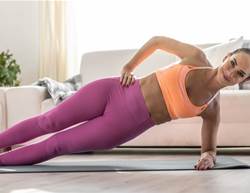
Many wardrobes are packed with leggings, often with a different pair for every activity. Fleece-lined styles come out for cold walks, buttery soft pairs suit yoga and stretch sessions and breathable cotton works well for lounging at home. One style that still feels a little intimidating for many people is the classic compression legging. The idea of deliberately wearing tight clothing, especially around the waist, can sound unappealing.
Exercise specialists say compression leggings are not just extra-tight tights. They are designed with a different purpose in mind and may be worth a place in an activewear drawer.
What is the difference between compression leggings and regular leggings?
“Compression leggings are designed to help the muscles work more efficiently, which sets them apart from regular leggings. The steady pressure potentially helps to improve circulation, cut down on muscle fatigue, and help your legs feel more supported during workouts,” says certified fitness trainer Denise Chakoian. In simple terms, compression leggings are about support, stability and recovery rather than just coverage.
They are made to feel snug through the ankles and legs yet should not dig in at the waistband. If they are too tight at the waist, they can undermine the very circulatory benefits they are meant to provide. A good fit should feel more like a firm, even hug than being squeezed into a casing.
Many people notice that compression leggings feel different or even slightly uncomfortable at first. Trainers point out that this usually settles as the body adjusts and as wearers start to notice benefits such as reduced post-workout soreness or a greater feeling of support during high-impact or endurance sessions.
In comparison, “regular leggings” is a catch-all term for everything that is not specifically designed as compression. Chakoian says it basically means that “regular leggings don’t offer this kind of support since they’re mainly made for comfort.”
Certified physical therapist Tre Kehoe adds that “regular leggings will not provide any potential aid in recovery.” They are usually made from lighter, more breathable and very stretchy fabrics. Many people choose them for everyday wear, low to moderate intensity workouts or lounging because they feel soft, flexible and unrestrictive. Fit and fabric are highly personal, so what feels comfortable will vary from person to person.
What are compression leggings good for?
“The purpose of compression leggings is to help improve circulation and make your legs feel less heavy and achy after a training session,” says certified physical therapist Amanda Grimm. All three experts note that they are particularly useful for athletes, who often look for anything that can assist muscle recovery and reduce post-session soreness.
Their benefits are not limited to sport, though. Chakoian says compression leggings can also be helpful for:
- People who sit or stand for long periods - Prolonged sitting can decrease circulation, and hours on the feet can leave legs feeling tired and swollen. A well-fitted pair of compression leggings may help support blood flow for office workers, retail staff or long-distance travellers.
- People with mild leg swelling or circulation issues - As long as circulation problems have not progressed to numbness or neuropathy, gentle compression can be a useful tool to help manage discomfort and pooling of fluid in the lower legs.
- People who exercise regularly - Runners, gym-goers and anyone who trains consistently may appreciate the extra sense of support, stability and post-workout recovery that compression fabrics can offer.
Who should not wear compression leggings?
While compression leggings can offer real benefits, they do come with a few caveats. If they are too tight, they risk cutting off circulation rather than enhancing it. They should feel snug, as if the legs are being gently hugged, but nothing more intense than that.
“You might notice numbness or tingling feelings and be aware that they can restrict blood flow rather than helping it. If you start to feel any pain or experience any of these symptoms when wearing compression leggings, then take them off straight away,” Grimm warns.
There are also groups of people who should avoid compression leggings altogether. “Anyone with existing circulation problems, varicose veins that flare up, or skin irritation should skip them as they can make those issues worse,” Grimm says. If there is any kind of neuropathy or reduced sensation, compression leggings are also not advised, as it can be harder to notice when they are too tight. It is always best to check with a doctor or healthcare professional if there is any uncertainty.
Are compression leggings just tight leggings?
Compression leggings are not simply very tight leggings. “They can restrict blood flow rather than helping it,” says Grimm, if the fit is wrong. True compression leggings are a specific workout tool constructed to add stability during exercise, improve circulation and support muscle recovery.
Overly tight regular leggings tend to squeeze at the waistband and seams without offering the graduated pressure through the legs that proper compression garments are designed to provide. That kind of tightness can feel uncomfortable and may actually work against circulation.
The bottom line
Compression leggings are not better or worse than regular leggings, they just serve a different purpose. When extra assistance with muscle recovery or support is needed, compression styles are the ones to consider.
“Do be aware though, compression leggings are not a magic fix and they are more of an aid to help if you do high impact sports or you spend a large amount of time on your feet,” Grimm says. For people who fall into any of the higher risk categories for circulation or nerve issues, regular leggings are usually the safer choice. When in doubt, checking in with a healthcare provider can help determine which option is right for individual needs.

 Newsletter
_(6).jpg&h=90&w=90&c=1&s=1)


_(2).png&h=90&w=90&c=1&s=1)