The link between food, nutrition and lifespan is nothing new. But new research suggests you may be able to add years to your life by changing your diet, even if the shift happens after age 45.
The study tracked dietary habits and health outcomes over more than 10 years in more than 100,000 people taking part in a long-running health study. Researchers also analysed participants’ DNA, focusing on 19 genetic variants linked to longevity.
The researchers assigned each participant a score based on how closely their eating habits matched one of five healthy eating patterns: the Mediterranean diet, the Diabetes Risk Reduction Diet, the DASH diet, a plant-based diet and the Alternative Healthy Eating Index (AHEI).
During the study, 4,314 people died. Based on diet patterns and genetic risk factors, the researchers estimated how much additional lifespan people could gain by following a specific diet.
Experts say the findings reinforce a pattern already seen across nutrition research: dietary quality matters, and it may still make a meaningful difference in midlife.
The lifespan gains varied depending on the eating pattern followed, but researchers found that people in their mid-40s could add years to their life by sticking to a nutritious eating pattern.
Here’s what may be driving that, plus what dietitians want you to keep in mind.
How much did the diets impact lifespan?
The researchers found that each healthy eating pattern could add years to a person’s life, but the estimated amount varied by diet and sex. Here’s what they found:
- Alternative Healthy Eating Index-2010 (AHEI) - This eating pattern was developed to help lower the risk of chronic disease. It scores foods and nutrients linked to chronic disease risk, with a higher score indicating a healthier pattern. Men following the AHEI gained an estimated 4.3 years, while women gained an estimated 3.2 years.
- Alternative Mediterranean diet - This eating pattern reflects Mediterranean-style, plant-forward eating outside the Mediterranean region. It focuses on vegetables, fruit, nuts, wholegrains, legumes and fish, and limits red and processed meat. Men who followed this diet gained an estimated 2.2 years, while women gained 2.3 years.
- Plant-based diet - This eating pattern focuses on vegetables, fruit, nuts, seeds and legumes, while minimising (but not completely eliminating) meat and dairy. Men following this diet gained an estimated 2.1 years, while women gained 1.9 years.
- DASH diet - The DASH diet is designed to lower blood pressure, reduce cholesterol and support overall health, including heart health. It focuses on vegetables, fruit, wholegrains, lean protein and low-fat dairy, and limits sodium, added sugars and saturated fat. Men following this diet gained 1.9 years, while women gained 1.8 years.
- Diabetes Risk Reduction Diet (DRRD) - This eating pattern is designed to help prevent or manage type 2 diabetes. It focuses on high-fibre foods, along with healthy fats and lean proteins. It limits added sugars, refined carbohydrates and processed meat. Men following this diet gained three years, while women gained 1.7 years.
“A common thread among these diets is certainly that they are plant-forward,” says registered dietitian nutritionist Christen Cooper.
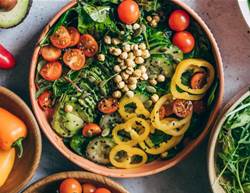
Overall, the researchers found that the foods with the biggest impact on longevity were wholegrains, fruit and vegetables.
Why might changing your diet have such an impact on lifespan?
A few factors are likely at play. “What we eat significantly influences many conditions that affect long-term health, like heart disease, type 2 diabetes and certain cancers,” says dietitian Keri Gans. A healthier eating pattern may improve blood pressure, cholesterol, blood sugar and inflammation, all of which affect how well you age, she explains. “Over time, enhancing the overall quality of your diet may reduce disease risk and potentially extend your lifespan,” Gans says.
Your body is also constantly breaking down old cells and making new ones, Cooper points out. “Providing nutrients to help support the creation and maintenance of healthy cells is key to longevity,” she says.
Many chronic diseases develop gradually, which is why improving your diet in your 40s, 50s or later may still reduce your risk, according to Gans. “The body responds positively to better nutrition at almost any age, and even consistent, realistic changes can lead to noticeable improvements in blood pressure, cholesterol, blood sugar, and overall health,” she says.
Cooper agrees. “It is never too late to adopt a diet that helps you preserve your health,” she says.
How to change up your diet
The best way to change your diet is to start with small steps, according to nutritionist Jessica Cording. “Small changes make it easier for someone to stick with a diet,” she says.
Each of the eating patterns in this study is different, but they share a common thread: more plants, lean protein and wholegrains. Cording suggests building meals by filling half your plate with non-starchy vegetables first (such as broccoli and leafy greens). The other half can be split between protein sources and complex carbohydrates, she says.
“This helps to crowd out foods that are less nutrient-dense,” Cording says.
At the same time, Cooper says it is still important to pay attention to your taste preferences. That makes it easier to make small, sustainable changes you can actually enjoy, she explains.
Ultimately, Gans says doing your best matters most. “It’s not about perfection; It’s about building an eating pattern you can maintain long term,” she says.

 Newsletter
_(11).jpg&h=90&w=90&c=1&s=1)


_(12).jpg&h=90&w=90&c=1&s=1)