In summary
- Tight hamstrings from a sedentary job or lifestyle can cause back-of-thigh pain and may even contribute to lower back pain, according to physiotherapist David Hughes.
- Pros advise easing into stretches without forcing them, using props like bands, chairs or walls, and stopping immediately if you feel sharp pain or discomfort.
- Seven easy hamstring stretches, including the standing forward bend and wall hamstring stretch, should each be held for 15 to 30 seconds per side.
If you feel stiff after a day at your desk, it may be time to start incorporating a few hamstring stretches into your daily routine. Hamstrings, the group of muscles that run along the back of the thigh from hip to knee, are “vital skeletal muscles that allow us to walk, climb stairs and perform many daily tasks,” explains Melissa Bentivoglio, a Pilates instructor.
Tight hamstrings can cause pain in the back of the thigh, which people often mistake for sciatica, according to David Hughes, a physiotherapist. “Given the anatomy and actions of hamstrings, they can indirectly cause lower back pain, so stretching hamstrings may help to reduce the pain,” he says. David adds that people with a “sedentary job or lifestyle can be prone to tight hamstrings, as a seated position can lead to shortening of these muscles.”
Luckily, the fix for your leg or back pain may be some simple stretching. “Gently stretching the hamstrings can help reduce some of that compression and tightness in that area,” says Maeve McEwen, a personal trainer.
Here are the hamstring stretches the pros recommend for improved flexibility and pain relief.
How to stretch safely
Before you launch into intense lunges, the pros have tips for ensuring safe stretching, especially if you’re a beginner. Most importantly: don’t force anything. “Ease into the movements. Start in a smaller range of motion and begin to take deep inhales and long, slow exhales,” says Maeve. “Use props like bands, chairs or holding onto a wall to ensure you’re moving in your body’s true range, rather than forcing or compensating with other muscles.”
Melissa stresses going at your own pace and not comparing yourself to others, as everyone’s flexibility is different. “If you experience sharp pain or discomfort, stop stretching, as you want to avoid overstretching your muscles,” she adds.
David also suggests massaging the muscle bellies beforehand. “Massage guns, foam rollers and lacrosse balls are good options for this,” he says.
Easy hamstring stretches to try at home
Below, the trainers share a few basic, easy moves to get you started. Melissa recommends warming up first with a quick jog on the spot to get the blood flowing. Also, again, don’t forget to breathe. “Breathing deeply and consistently not only helps to relax the muscles, but also improves circulation and can help get rid of lactic acid build-up,” she says.
Standing forward bend

Yogis may know this one as a forward fold. “Stand with your feet hip-width apart. Hinge at your hips, keeping your back straight. Reach your hands towards the floor or the backs of your legs,” says Melissa. “Hold the stretch for 15–30 seconds, feeling the stretch in your hamstrings.” Maeve adds: “keep a long spine, weight in your heels and your knees stacked over your ankles as you slowly hinge your hips back.”
Seated forward bend

“Sit on the floor with your legs extended in front of you. Hinge at your hips and reach forward towards your toes,” says Melissa. “Keep your back straight and avoid rounding your spine. Hold the stretch for 15–30 seconds.”
Wall hamstring stretch
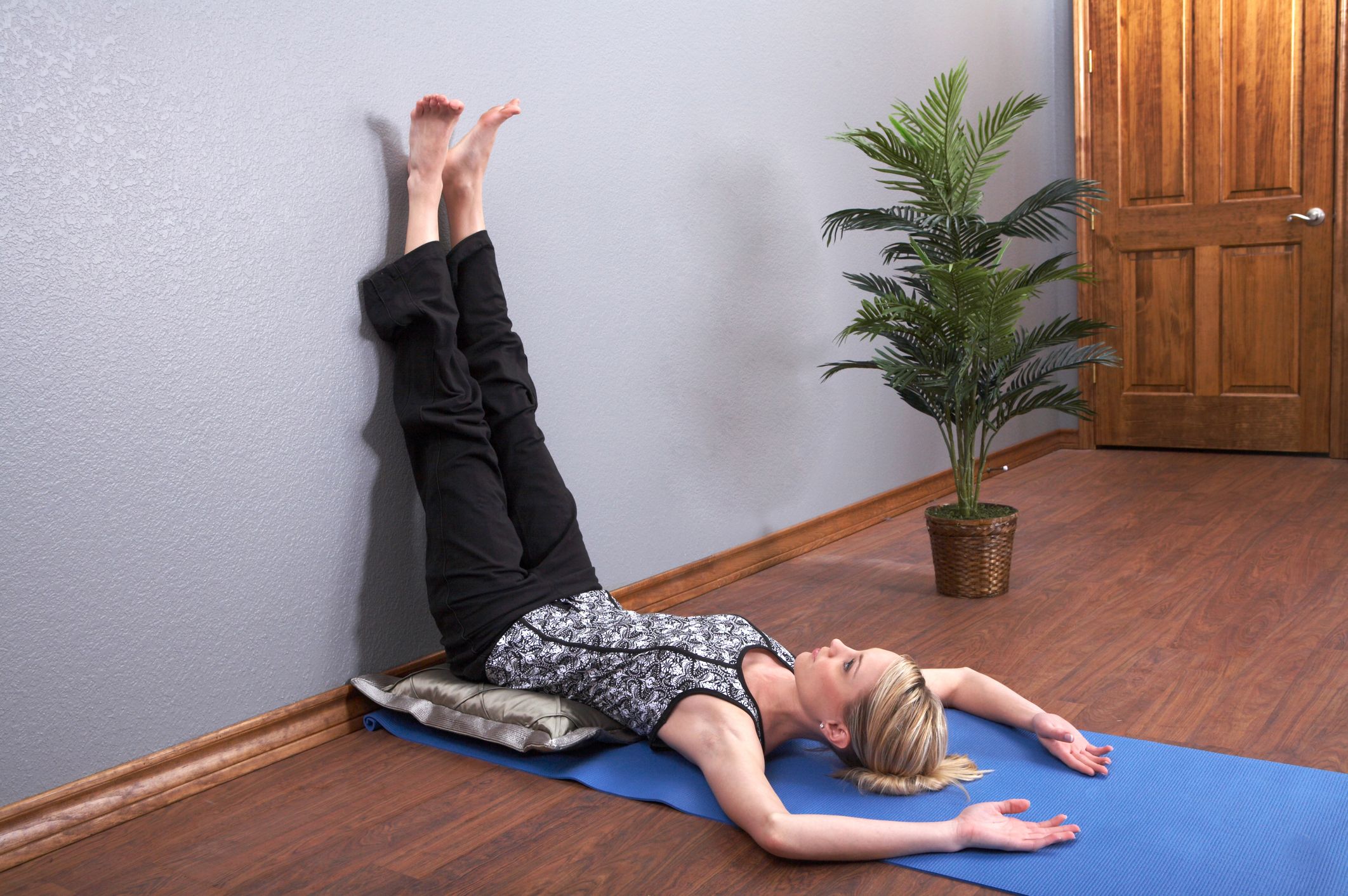
“Lie on your back with your hips close to a wall. Extend one leg up the wall while keeping the other foot flat on the floor,” says Melissa. “Feel the stretch in the back of your extended leg. Hold for 15–30 seconds and switch legs.”
Lying hamstring stretch

“Lie on your back and bend one knee towards your chest. Loop a towel or strap around the ball of your foot. Straighten your leg while holding onto the towel, feeling the stretch in your hamstring,” Melissa says. If you don’t have either of those props, you can simply hold the back of your thigh or calf – whatever you can reach comfortably without straining, Maeve notes. She also recommends keeping a gentle point through the top of the lifted foot. Hold the stretch for 15–30 seconds before switching legs.
Chair hamstring stretch

“Sit on the edge of a chair with one leg extended straight. Keep your heel on the floor and your toes pointing upwards,” Melissa says. “Hinge at your hips and lean forward, feeling the stretch in your hamstring. Hold for 15–30 seconds and switch legs.”
Knee-to-chest stretch

“Lie on your back and bring one knee towards your chest. Hold onto your knee with both hands,” Melissa says. Straighten the other leg, with your foot pointed towards the ceiling, she adds. Hold this position for 15–30 seconds, then switch legs.
Seated wide-legged stretch

Sit on the floor or on a yoga mat with your legs spread wide apart. Hinge at your hips and reach forward, keeping your back straight, Melissa says. “Hold onto your shins or feet, feeling the stretch in your inner thighs and hamstrings,” she adds. “Hold for 15–30 seconds.”

 Newsletter