Walking is one of the simplest, most reliable ways to move more. But if you have ever been out for a walk and watched a runner pass by, you may have wondered whether you should be picking up the pace.
There are plenty of reasons many women over 50 are cautious about running, jumping, or other higher-impact exercise. Knee, ankle, hip, or back issues can make impact feel risky, especially if you have had pain or injury before. If you are newer to exercise, it can also look intimidating.
Fair enough. But you may already do small bursts of high-impact movement without realising it. If you have raced up stairs, sprinted for a bus, hopped over a puddle, or jumped out of the way when your dog came charging in for a cuddle, your body has already handled impact.
The key is learning how to use it safely.
What is high-impact exercise?
High-impact exercise is different from high-intensity interval training, or HIIT. HIIT refers to short bursts of vigorous exercise followed by recovery. High-impact exercise refers to movements where both feet leave the ground, such as running, hopping, skipping and jumping.
“High-impact training is intentionally stressing the muscles and bones,” says internist Dr Heather Fields.
That may sound like something to avoid, but this kind of stress can be useful. The benefit comes from mechanical load, which is the force that travels through bones, joints and connective tissue when your feet hit the ground.
In everyday life, we are often told to reduce stress. But when it comes to bones, the right kind of stress can send a helpful signal. When you land after being briefly off the ground, that impact tells your bones to adapt and strengthen.
“Our bodies are built to rise to the challenges we present to them,” says certified personal trainer Tina Tang.
Why impact matters more after menopause
The process of building new bone tissue is called osteogenesis. It is especially important for areas such as the hips, spine and legs, which are more prone to fracture as bone density declines with age.
Bone loss tends to speed up after menopause, when lower oestrogen levels can contribute to osteopenia, or more severe bone loss known as osteoporosis. Muscle mass also declines with age, a process known as sarcopenia.
That is where carefully chosen impact and weight-bearing exercise may help.
Moves such as jumping, hopping and running can challenge both bones and muscles. Research suggests this type of exercise can stimulate bone remodelling and help improve bone mineral density.
“Think of it as prevention of sarcopenia and osteopenia and osteoporosis,” says Dr Fields.
Even if you already have osteopenia or osteoporosis, movement still matters. The right plan should be tailored to your body and risk level, but it is not too late to support your bones and muscles.
“High-impact and weight-bearing exercises won’t reverse bone loss, but they can certainly slow it down,” says registered dietitian nutritionist Stefani Sassos. “They can help you maintain bone density and even improve posture and balance, which lowers your fall and fracture risk.”
The takeaway is not that everyone needs to start running or jumping tomorrow. It is that impact, done safely and gradually, can be a useful part of healthy ageing for some people.
If you have osteoporosis, joint pain, a history of fractures, balance issues, or you are unsure where to start, speak with your GP, physiotherapist, or an accredited exercise professional before adding high-impact exercise.
Look before you leap
Some women should avoid high-impact workouts, or at least get medical clearance before starting. If you have osteopenia or osteoporosis, speak with your GP before adding jumping, running, or hopping to your routine, Sassos says.
“Many women with bone issues can do high-impact exercises with clearance from their doctors and the right modifications,” she says, “but every body is different, and some movements just won’t be worth the risk.”
If you have osteoporosis, or a history of fragility fracture, your risk of injury is higher, Dr Fields says. Small modifications such as low hops or light skipping may be suitable for some people, Sassos says. But be cautious with broad jumps, jump squats, running, or sprinting, especially on concrete.
If you have arthritis, or occasional pain when you run or climb stairs, pay close attention to the type of pain you feel.
“If you ease into it and it doesn’t hurt while you’re doing it, high-impact exercise might even help with joint pain,” says Sassos. “A few carefully programmed reps of impact like small jumps or light hops can improve joint stability, balance, and bone strength. Start with just a few reps to build up tolerance slowly.”
But sharp, sudden, or direct pain when you land is a warning sign.
“When it comes to people with severe osteoarthritis, advanced osteoporosis, or flare-prone conditions like pseudogout and gout, high-impact moves may do more harm than good,” Sassos says. “Remember that there’s a big difference between something feeling challenging and its actually hurting. Don’t ignore pain—that’s your body’s way of protecting you.”
Want to give it a go?
If you are not already strength training, start there.
“Strength is the foundation that prepares your joints and tissues for landing force,” Tang says.
Sassos agrees.
“Strength supports joints, reduces injury risk, and can improve your coordination for those high-impact movements.”
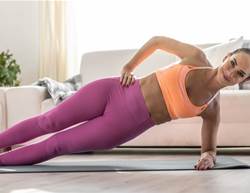
If you do not have a routine yet, begin with core work such as planks and bird dogs, as well as movements that strengthen the glutes and hips, such as glute bridges and bodyweight squats.
Next, consider your exercise history and any limitations, such as arthritis in your knees or hips. If someone is starting from a sedentary routine, Dr Fields says she recommends walking before running, literally.
If you already walk regularly, a good next step may be hiking, climbing stairs, or walking with a weighted vest for short periods. These options still keep at least one foot on the ground.
“It’s safest to start with lower-impact exercises and gradually increase the frequency, duration, and intensity,” Dr Fields says. “Use common sense, and listen to your body.”
If you are already active and fairly fit but have not done high-impact moves recently, you can start small. Try two short high-impact sessions a week, beginning with just two to three minutes at a time. Use intervals, such as 15 seconds of movement followed by 15 to 30 seconds of rest.
“Think of it like a sprinkle, not a flood,” Tang says.
“You don’t need to go into full-on burpees or box jumps on day one,” Sassos says. “Even something as simple as marching in place with high knees or doing step-ups on a low box counts as impact, especially if you’re just getting back into it.”
You can also modify traditional moves, she adds. For example, try mini squat jumps instead of full jump squats.
As you build strength and confidence, you can gradually increase the challenge, eventually working up to around 10 minutes of high-impact movement at a time, Sassos says. Two or three times a week is enough for most people. Low-impact movement should still make up most of your weekly exercise, Tang says, to avoid overstressing your body and raising injury risk.
Recovery matters too. Avoid doing high-impact moves on back-to-back days, and take some full rest days from intense exercise. Gentle stretching and walking are usually fine.
Your body needs time to adapt to the new demands on your bones, muscles and connective tissue.
“Signs that you are overdoing it can include pain that lasts longer than a day, swelling or even stiffness, sharp or stabbing pain during the movement, and trouble sleeping or recovering,” Sassos says.
Make an impact
Try weaving these moves into your weekly routine. Start slowly, land softly and pull back if you feel true pain.
Skipping
Beginners can start with small two-foot hops, focusing on soft landings, Sassos says. As you build confidence, work up to higher jumps, quicker rotations, or longer intervals.
Lateral hops
Stand with your feet together and hop from side to side over an imaginary line. You can also try single-leg hops once you have built enough strength and balance, Sassos says.
“Increase the width of the hop as your strength and agility improve.”
Jump squats
Lower into a squat, then push through your feet and jump up. Land softly with your knees slightly bent, then reset before the next rep.
You can keep your hands behind your head with elbows wide, or swing your arms by your sides for balance. Start with mini squat jumps if the full version feels too intense.
High knees
Run or march in place, lifting your knees as high as you can while keeping your chest lifted and core engaged.
If running in place feels too jarring, slow it down and make it a powerful march.
Butt kicks
Jog in place while kicking your heels up towards your glutes, Sassos says. Focus on a light bounce and quick rhythm to warm up the joints.
Broad jumps
Start in a squat position, then jump forward as far as you comfortably can. Land softly, pause and reset between reps.
If you are new to impact, keep the distance short and build gradually, Sassos says.
Running or sprinting
Start with short distances or intervals, then build slowly to protect your joints. Try 10 to 20 seconds of easy running followed by walking recovery.
“A good pair of running shoes is also important,” Sassos says.
Box jumps
Box jumps are more advanced. Start with step-ups onto a low box or bench, then gradually progress to jumping onto a low platform with both feet if your body tolerates it well.
Choose a sturdy surface, land softly and step down rather than jumping down to reduce impact.
Another way to support bone health
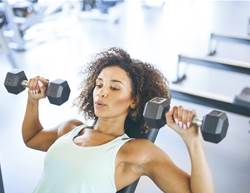
If injury, illness, osteoporosis, arthritis, or joint pain means high-impact exercise is not right for you, strength training is still one of the best ways to support your bones.
When you do resistance exercise, your muscles pull on your bones. That creates mechanical load, which helps stimulate bone-building cells.
“You don’t have to lift super-heavy either—doing even moderate resistance exercises two to three times a week can help maintain or even build bone density,” says Sassos. “It can be done with weights, machines, or body-weight exercises like squats, lunges, and push-ups. What matters most is that you’re challenging your muscles and bones a bit and making it progressively harder over time—that can look like more reps or a bit more resistance,” she says.
That progression is the key. Over time, your body needs a little more challenge to keep adapting. That might mean adding an extra set, using a slightly heavier weight, slowing the movement down, or choosing a harder version of an exercise.
The goal is not to punish your body. It is to give your bones and muscles a clear reason to stay strong.
For many women, the best weekly routine may be a mix of walking, strength training, balance work and, if appropriate, small doses of impact. If jumping is not for you, you are not out of options. Consistent resistance training can still do a lot for strength, posture, balance and long-term mobility.

 Newsletter
_(14).jpg&h=90&w=90&c=1&s=1)
_(13).jpg&h=90&w=90&c=1&s=1)


_(10).jpg&h=90&w=90&c=1&s=1)
_(11).jpg&h=193&w=250&c=1&s=1)