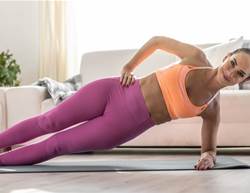
_(17).jpg&h=630&w=1120&c=1&s=1)
In summary
- Research suggests yoga, stretching and other mind-body practices may help improve menopause symptoms like sleep problems, anxiety, stress and fatigue.
- Seven stretches target common menopause complaints, from thoracic stiffness and tight hips to achy necks and hot flushes.
- Stretching doesn't replace talking to your doctor about what other tips or treatments might help with your peskiest menopause symptoms.
Waking up to soaked sheets. Brain fog that makes you feel like a zombie. Mood swings that feel 110 per cent out of your control. That all sounds like one pretty bad day – but for women going through menopause, this is often the daily reality.
When hormones like oestrogen start dipping, this can trigger a slew of uncomfortable body changes that make everyday life feel like a nightmare. Besides notorious menopause symptoms like hot flushes and night sweats, women also commonly experience brain fog, sleep issues and fatigue, mental health struggles, and joint pain or stiffness (among plenty of other frustrating side effects).
If you’re someone in the midst of this tumultuous hormonal flux, you deserve some relief! While there’s no one trick that will magically fix every single symptom you’re experiencing, there’s one thing you can try next time you need a break from the meno-coaster: Stretch it out.
“Research suggests that yoga, stretching and other mind-body practices may help improve menopause symptoms like sleep problems, anxiety, stress and fatigue in menopausal women,” says Lindsey Benoit O’Connell, a meditation teacher and trainer.
Next time your joints are extra achy or you feel too frazzled to think, try these stretches to help with common menopause symptoms – plus support healthy ageing overall.
Stretches to Relieve Menopause Symptoms
Gentle movement, like stretching and yoga, is just one tool you can rely on to support your menopause and healthy-ageing journey. It may not help with your menopause symptoms every single time, and it’s still important to keep up with other healthy lifestyle habits like eating a balanced diet filled with foods to support menopause, doing cardio and strength training, and finding ways to sleep well and manage stress.
“This is really about meeting your body where it is. If your hips feel stiff, let’s move your hips. If your shoulders are living somewhere near your ears because you’re stressed, let’s work on that. If you’re having trouble winding down at night, let’s use restorative movement and breathing to create a transition into rest,” Lindsey says. “Stretching doesn’t replace talking to your doctor about what other tips or treatments might help with your peskiest menopause symptoms.” But it can offer a free, feel-good way to find some relief.
1. Thread the Needle

Why it works:
Ease back and upper-body stiffness by targeting thoracic (upper spine) rotation.
How to do it:
- Start on all fours, shoulders over wrists and knees under hips.
- Slide right arm underneath left arm, allowing right shoulder and side of head to move towards the floor. Keep hips relatively centred and breathe comfortably for about 30 seconds.
- Return to starting position and repeat on opposite side.
2. Half-Kneeling Hip Flexor Stretch

Why it works:
Loosen up tight hips with this opener.
How to do it:
- Get into a half-kneeling position, with right knee on floor, left foot forward and planted.
- Keeping torso tall, gently shift pelvis forward until you feel a stretch through the front of right hip.
- Hold for 30 seconds.
- Repeat on opposite side.
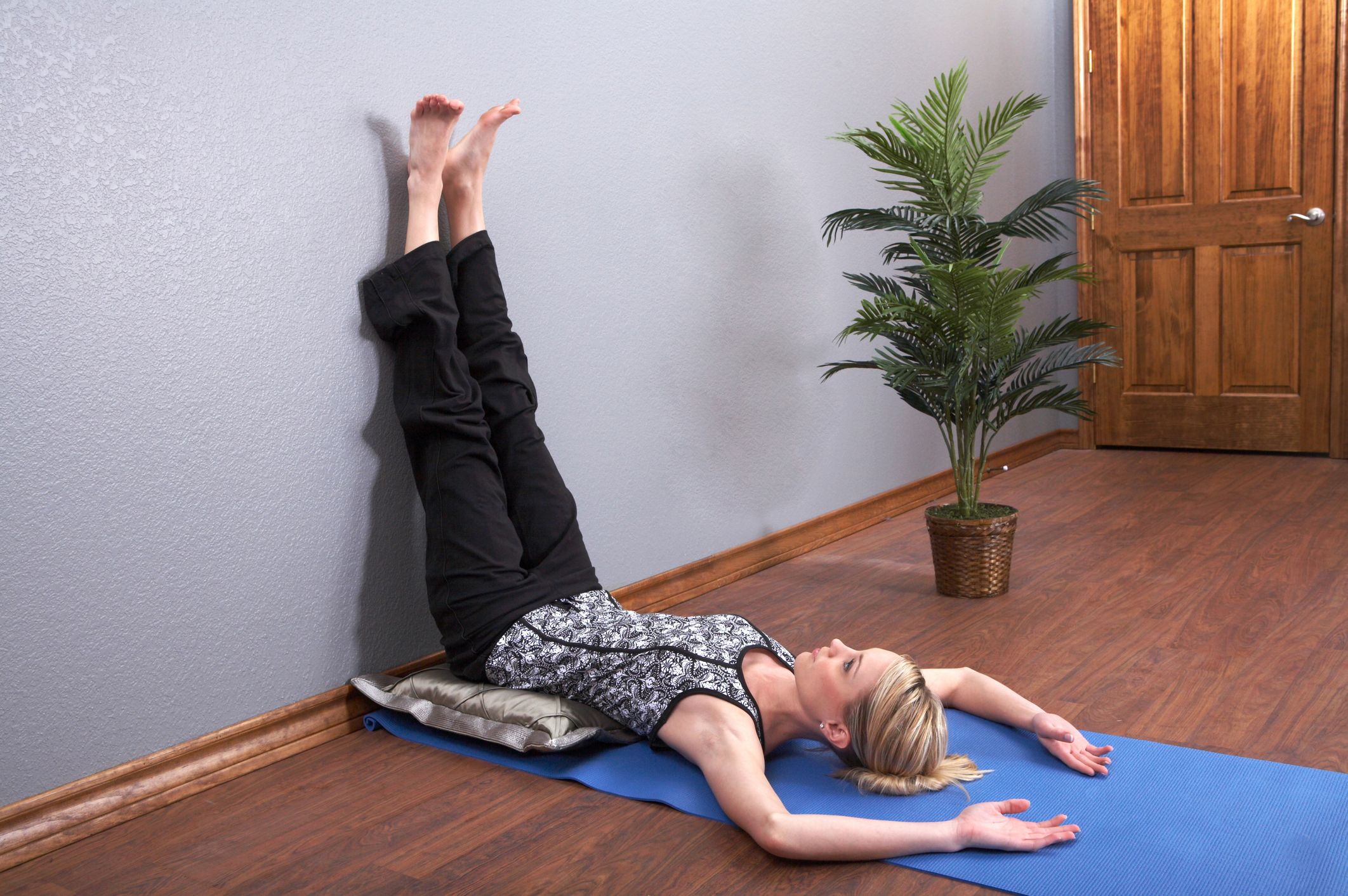
3. Legs Up the Wall
Why it works:
This relaxing pose serves up stress relief and helps you wind down for sleep.
How to do it:
- Sit in front of a wall.
- Lie back and extend legs straight up in the air; scoot bottom and hips forward until extended legs gently rest against the wall.
- Focus on the rhythm of each inhale and exhale for this move, holding the pose for 30 seconds.
4. Figure-Four Stretch

Why it works:
Stretch out tight glutes and hips, which can help relieve joint pain at the hip.
How to do it:
- Sit up straight in a chair, feet flat on the ground.
- Cross left ankle over right thigh and gently hinge forward until you feel a stretch through the glute and outer hip. Hold for 30 seconds.
- Repeat on opposite side.
5. Supported Chest Opener

Why it works:
Open tight shoulder and chest muscles, while easing mental stress and full-body physical tension.
How to do it:
- Place a bolster, rolled blanket, firm pillow or two yoga blocks lengthwise on the ground. Lie down on top of it, allowing arms to relax out to the sides and opening chest. Place soles of feet together, opening knees out to the sides.
- Hold, focusing on slow inhales and exhales, for 30 seconds.
6. Seated Neck Stretch
Why it works:
Stress can lead to an achy neck and shoulders. This move stretches them out.
How to do it:
- Sit up straight in a chair, feet flat on ground, or sit cross-legged on the floor.
- Gently tilt right ear towards right shoulder until you feel a stretch in neck. Don’t pull head towards shoulder; let it relax deeper on its own.
- Hold for 30 seconds.
- Repeat on opposite side.
7. Seated Side-Body Stretch + Sitali Cooling Breath

Why it works:
Allow the cool air from your inhales to help ease the sensation of hot flushes. This breathing exercise can also ease stress and anxiety.
How to do it:
- Sit comfortably in a chair or cross-legged on the floor. Let shoulders relax.
- Reach right arm overhead, gently leaning to the opposite left side until you feel a stretch from hip to fingertips.
- As you hold the stretch, roll the sides of tongue upwards to create a little tube; gently inhale through mouth, then close mouth and exhale slowly through nose for 30 seconds. (If you can’t roll your tongue, simply inhale gently through slightly parted lips and exhale through nose.)
- Repeat stretch and continue cooling breath on opposite side.

 Newsletter
_(11).jpg&h=90&w=90&c=1&s=1)


_(12).jpg&h=90&w=90&c=1&s=1)
_(14).jpg&h=90&w=90&c=1&s=1)
_(11).jpg&h=193&w=250&c=1&s=1)
_(6).jpg&h=193&w=250&c=1&s=1)
_(2).png&h=193&w=250&c=1&s=1)