People with coeliac disease—an autoimmune condition in which eating gluten prompts the immune system to attack the small intestine—must avoid gluten. Beyond that medical need, cutting out bread and other gluten-containing foods has become a popular diet trend. If you don’t have coeliac disease, is a gluten-free approach actually better for you?
For years, many have tried to “eat healthier” by elevating certain food groups or nutrients, or by cutting out others altogether. Think high-protein plans or pescatarian eating on one hand, and ditching meat, dairy or gluten on the other. But how helpful are these tweaks in real life?
“Gluten is the main protein that can be found in all types of wheat, barley and rye, as well as oats that may have been processed with these grains,” says registered dietitian Jamie Baham. “It provides that chewy mouthfeel that we enjoy in foods like pizza and pasta, providing elasticity, flavor, and moisture retention in cooking. Gluten-free refers to removing these grains or any ingredients derived from these grains.”
Below, dietitians explain who actually needs a gluten-free diet, and how it stacks up—nutritionally and health-wise—against a balanced way of eating that includes gluten-containing foods.
Who needs to follow a gluten-free diet?
Some health conditions require a gluten-free diet. The biggest is coeliac disease. “If a person has coeliac disease, consuming gluten can damage their intestinal tract, causing diarrhoea, bloating, flatulence and micronutrient deficiencies, to name a few,” explains Baham. The only treatment for coeliac disease is to follow a gluten-free diet for life—doing so may prevent the symptoms and other health problems the disease can cause.
Beyond coeliac disease, dietitian Sapna Peruvemba, says people with a wheat allergy or non-coeliac gluten sensitivity also need to avoid gluten. While wheat is one of the eight major food allergens, wheat allergies are relatively rare. Four times as many people are allergic to shellfish and three times as many are allergic to milk or peanuts as those who are allergic to wheat.
About two-thirds of children outgrow a wheat allergy, so only around 1% of adults still have it. Non-coeliac gluten sensitivity is a third category in which people experience digestive symptoms when they eat wheat but do not test positive for coeliac disease or a wheat allergy.
Is a gluten-free diet healthier?
“If you do not need to follow a gluten-free diet, it’s not healthier to cut gluten out of your diet,” says Baham. Cutting gluten without a medical reason can make it harder to get enough key nutrients commonly found in wheat-based foods, including fibre, B vitamins, iron and magnesium.
“Avoiding gluten unnecessarily can do more harm than good,” Peruvemba says. Removing an entire food group without a clear need, such as an allergy or an autoimmune condition, often creates gaps that do more to undermine health than improve it.
Packaged gluten-free foods can also be less nutritious than similar gluten-containing options. Research comparing products has found gluten-free items tend to contain less protein and more added sugar and kilojoules, and they often cost more. Broader reviews of studies have also struggled to find clear benefits for people without coeliac disease, with no consistent changes seen in weight, waist measurement or body fat.
Are there any benefits to a gluten-free diet?
A gluten-free diet can feel like a reset for some people, but the benefits usually come from the food choices that often follow, not from removing gluten itself, says Peruvemba. “Any benefits people notice from going gluten-free usually have nothing to do with removing gluten itself,” she explains. “But rather, they are from cutting back on ultra-processed foods that often contain gluten, like chips, pastries and sugary cereals. Eating fewer refined carbs and additives may help some people feel better or improve cardiometabolic health.”
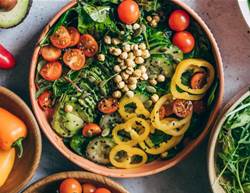
That benefit tends to show up when processed foods get replaced with naturally gluten-free options, rather than packaged gluten-free substitutes. “Fruits and veggies, along with meat, poultry and seafood, dairy, beans, legumes, unseasoned nuts and seeds are all balanced and naturally gluten-free foods,” says Baham. A diet built around these foods may support energy, digestion and overall health, largely because it prioritises whole foods and reduces highly processed choices.
The bottom line
If there is no medical reason to go gluten-free, it may not be necessary. “You may run the risk of missing out on important nutrients and looking for different ways to substitute that are not as palatable, nutritionally adequate, or sustainable,” says Baham. A more practical approach focuses on balance: plenty of fruits and vegetables, lean protein, beans and legumes and whole grains, while keeping highly processed foods in check. This approach can feel easier to maintain and more satisfying over time.

 Newsletter
_(2).png&h=90&w=90&c=1&s=1)