
Working out how to keep hair healthy as it ages can feel complicated. More than half of women experience noticeable hair loss at some point, often after 40. Years of stress, chemical processing, nutrient gaps, hormonal changes and genetics can all play a role. Menopause can add to thinning, shedding and loss of volume.
A consistent routine that focuses on scalp care, repair and gentle styling can help support stronger, fuller-looking hair. The specific labels matter less than the steps, which you can adapt to your hair type and budget.
Night-time hair routine that repair damages while you sleep
A simple night routine might look like this:
1. Apply an overnight scalp and hair serum
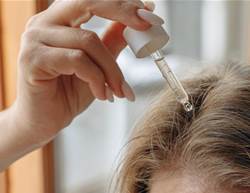
Choose a lightweight leave-in treatment designed for the scalp and lengths. Look for ingredients that support the skin barrier and hair fibre and a texture that absorbs without leaving residue on your pillow.
Think of this step as skincare for the scalp. A well-nourished scalp can support more resilient hair and may help reduce breakage over time.
2. Target thinning areas with a density booster
If hair is starting to look sparse along the part or hairline, use a leave-in spray or tonic formulated for mild to moderate thinning. These products are usually applied directly to the scalp on damp or dry hair and left in to work overnight.
3. Sleep with hair in a loose braid or soft tie
Gather hair into a low, loose braid or ponytail using a fabric hair tie or scrunchie. This helps the products stay put, reduces tangling and avoids the tension that comes from tight styles.
Morning hair routine that cleanse, protect and style
A morning routine can build on the repair work done overnight:
1. Wash with a gentle repairing shampoo and conditioner
Choose formulas created for damaged or brittle hair that cleanse without stripping. Many repairing products contain proteins that mimic the keratin found naturally in hair, along with hydrating ingredients to improve softness and elasticity. Consistent use can help hair feel stronger, fuller and more supple.
2. Smooth on a damage-repair serum
Before heat styling, apply a small amount of a leave-in serum through mid-lengths and ends. Look for wording such as “damage repair,” “bond-building” or “strengthening.” These products help reduce the look of existing damage and create a protective buffer against future breakage.
3. Use a multi-tasking styler with heat protection
A lightweight cream or lotion that adds softness, shine and frizz control while offering heat protection is ideal before blow-drying or using hot tools. Work it through towel-dried hair, then style as usual.
4. Finish with a few drops of hair oil
A feather-light hair oil or serum can be smoothed over lengths and ends to lock in moisture, add gloss and tame flyaways. Focus on the bottom half of the hair to avoid weighing down the roots.
Making the routine your own
No single routine suits every scalp and hair type. Think of these steps as a framework you can tweak based on your budget, hair texture and how much time you actually have day to day. With consistent scalp care, reparative products and gentle styling habits, it is possible to support stronger, healthier-looking hair through your 40s, 50s and beyond.
Prioritise the steps, not the logos
Look for an overnight scalp treatment, a gentle repairing shampoo and conditioner, a strengthening leave-in and a light finishing oil rather than chasing specific names.
Be kind to your scalp and strands
Avoid tight hairstyles, harsh brushing and very hot styling tools. Use a wide-tooth comb on wet hair and microfibre or soft cotton towels to blot rather than rub.
Check in with a professional when needed
Sudden or patchy hair loss, shedding that comes out in clumps or changes in the skin on the scalp warrant a visit to a GP or dermatologist. Underlying issues such as thyroid conditions, iron deficiency or hormonal changes may need medical treatment alongside topical care.

 Newsletter




.jpg&h=193&w=250&c=1&s=1)