In summary
- Gentle, bland foods like bananas, white rice, toast, apple purée, broth and ginger can help soothe an upset stomach while providing hydration and nutrients.
- Staying hydrated, resting and eating small amounts of easy-to-digest food are the essentials for recovering from a stomach bug or upset stomach.
- See your doctor if you suspect dehydration, have a high fever that won't break, notice blood in your stool or vomit, or symptoms last more than a few days or a week.
When you’re dealing with an upset stomach – from a stomach bug or on a day when your tummy just feels off – deciding what to eat can feel confusing. What will provide nutrition, and also stay down?
As a dietitian, I zero in on the essentials for staying well when I’m nauseous or have an upset stomach: adequate hydration, rest and a diet of bland foods that are easy to digest. No magic elixirs or old wives’ tales thrown in the mix – just the tried-and-true foods that I’ve seen can help nourish the body while the stomach settles.
Here are the top foods that I eat when I have an upset stomach, plus how they can help you heal and feel better.
Best Foods for an Upset Stomach
These foods are gentle on the stomach but provide nutrients that you need to get better. Stick to small amounts to give your stomach and appetite a chance to recover
Bananas
Bananas are one of the first solid foods I eat when I have an upset stomach. They’re soft, mild in flavour and easy to digest, which makes them gentle on an unhappy gut. They’re also a source of potassium, an electrolyte you can lose through vomiting and diarrhoea. Bonus? Bananas contain some pectin, a type of soluble fibre that can help add bulk to stool, which may be useful when you’re dealing with loose stools.
White Rice
White rice is a classic for good reason. It’s low in fibre, making it gentler on the digestive system – it doesn’t ask much of your gut while you recover. Rice provides simple carbohydrates for energy when you haven’t been able to keep much down. I keep it plain at first, skipping rich sauces or heavy fats that can be harder to tolerate. A small bowl of warm rice is often my test to see whether I’m ready for more. I’ll also sometimes add plain white rice to chicken broth for a soothing dish with a dose of extra nutrients.
Toast and Crackers
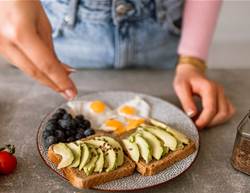
Dry, starchy foods like toast and plain crackers are easy to nibble when your appetite is shaky. They’re bland and low in fat, which tends to sit well when your stomach is sensitive. Crackers (plain salted ones, not the wholegrain ones you reach for when your stomach feels fine) also contain a little sodium, an electrolyte that can help you stay hydrated if you’re losing fluids through vomiting or diarrhoea. I like that they’re easy to eat in small amounts. Once I start feeling braver, I add a thin smear of peanut butter to my toast or crackers for a little protein and flavour.
Apple purée
When whole fruits feel like too much, apple purée is a softer option. It’s smooth and easy to digest, and, like bananas, apples contain pectin, that soluble fibre that may help firm up stool during bouts of diarrhoea. Apple purée also provides a little natural sugar for energy and has some fluid in it, making it a hydrating food. I reach for unsweetened versions to keep added sugar low, since too much sugar can sometimes worsen diarrhoea or stomach upset.
Broth and Clear Soup
Warm broth is one of my go-tos, partly because it does double duty. It provides fluid and sodium at the same time, helping with both hydration and electrolyte replacement. Sipping broth also feels comforting and manageable when solid food sounds unappealing or you don’t have an appetite at all. As I start feeling better, I might add a little plain rice or a few soft noodles to make it slightly more filling.
Ginger
Ginger has a long history as a remedy for nausea, and there’s research to back it up. Studies suggest ginger may help reduce nausea, which is why I always keep it on hand. I usually sip ginger tea or add a small piece of fresh ginger to hot water for a DIY brew. Ginger ale is a common choice, but many versions contain little real ginger and a lot of sugar, so I don’t rely on it unless I really need a sip of nostalgic comfort. You can also drop fresh ginger into broth or add it to the pot of rice while it’s cooking.
The Bottom Line
When you have an upset stomach, the goal isn’t perfect nutrition. It’s about choosing gentle, tolerable foods that help keep you nourished and hydrated, and that ease you back into eating. I stick with soft, bland, easy-to-digest foods, and stay vigilant about my fluids and getting plenty of rest. Most upset stomachs from illness pass within a few days. But it’s worth seeing your doctor if you suspect you’re dehydrated (dark-coloured urine is one big sign of dehydration), have a high fever that won’t break, notice blood in your stool or vomit, or if your symptoms last more than a few days or a week. They can check to make sure there’s not something more serious causing your tummy troubles and give you more tailored treatment ideas for feeling better.

 Newsletter