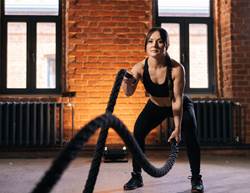
Finding time to get to the gym is one thing. Paying for a membership on top of everything else can feel like another job. That’s why home workouts keep winning. They remove the commute, the crowd and the “I’ll go tomorrow” spiral. A spare room, a corner of the garage, even a slice of living room floor can turn into a routine that actually sticks.
Home training also solves a quieter problem: friction. When getting moving requires leaving the house, packing a bag and finding a park, it’s easy for exercise to lose the battle against dinner, emails and the couch. When the setup is already there, the barrier drops. A short session becomes realistic, which often matters more than having the perfect plan.
Regular movement also carries real health payoffs. Research links consistent, moderate exercise with better immune function and a lower risk of upper respiratory infections like the common cold. Physical activity supports mental health too, easing symptoms of anxiety and depression and lifting energy. That mix makes a strong case for building a routine that works in real life, not just in theory.
A solid home set-up does not need to be complicated. The best home gym gear tends to do two things well: it makes strength work easy to repeat and it gives cardio options that do not rely on perfect weather or motivation. Many pieces also store neatly, which matters if the “gym” is also where people eat, work and live.
The main difference between a home gym that gathers dust and one that gets used is simplicity. A few versatile basics beat a sprawling collection. A set-up that takes under a minute to start tends to win long-term, especially on busy days.
Online reviews often point to the same patterns. People stick with gear that feels comfortable, holds up over time and suits their space. They skip gear that is loud, awkward to store or too fiddly to adjust. If a piece makes workouts feel smoother, it keeps showing up in the routine.
If building a home routine has been on the to-do list for months, this is a good nudge to start small and make it practical. One or two smart additions can shift the whole week.
The best home gym gear worth buying first
Adjustable dumbbells
Adjustable dumbbells cover most strength training needs without swallowing your floor space. Reviewers love them because they move with you from presses to rows to squats, then slide back into a corner. Start here if you want one purchase that upgrades almost every workout.
Resistance bands
Bands do more than “toning” workouts. They add tension to squats, glute bridges and rows, they help with pull-aparts for posture and they travel easily. Reviewers like them because they feel low-fuss and still deliver a proper burn, especially on days when heavy lifting feels like a big ask.
A thick exercise mat
A good mat changes how often you actually use your space. Reviewers consistently call out comfort and grip as the difference between “I’ll do it later” and “I did it today”, especially for core work, Pilates-style sessions, mobility and stretching.
A kettlebell
A single kettlebell gives you strength and cardio in the same session. Swings, deadlifts, goblet squats and carries build full-body strength fast. Reviewers like kettlebells because they feel functional and time-efficient, especially when life gets busy.
A suspension trainer
Suspension trainers turn a doorway into a strength station. They hit back, core, legs and arms with one setup and they scale easily. Reviewers often mention that it feels like “personal training” at home because it forces better form and control.
A pull-up bar
A pull-up bar adds real upper-body work at home. Even if strict pull-ups are not on the menu yet, you can use it for hangs, assisted reps and core raises. Reviewers like the progress you can measure over time, even with short sessions.
A step or sturdy bench
A step helps with cardio, strength and mobility. Step-ups build leg strength, incline push-ups feel friendlier on wrists and shoulders, and the platform supports split squats and seated work. Reviewers like the versatility and the fact it stores easily.
A rowing machine
Rowers deliver a joint-friendly full-body workout and suit people who get bored doing only one thing. Reviewers tend to stick with rowing because it feels efficient, it supports fitness gains quickly and it works well for short sessions.
An exercise bike
A bike suits busy schedules and unpredictable weather. Reviewers like bikes because they make cardio feel achievable, especially when paired with music, a show or a structured program. Look for a comfortable seat and stable build so it feels easy to repeat.
A simple set of recovery tools
A foam roller, massage ball and light mobility band can keep you training consistently by reducing post-workout stiffness. Reviewers often say recovery tools help them feel better day-to-day, which keeps workouts from turning into an on-again, off-again cycle.
A quick way to choose what to buy first
If you want strength, start with adjustable dumbbells or a kettlebell plus a mat. If you want cardio at home, choose a bike or rower. If you want the most variety for the least cost, grab bands, a mat and a suspension trainer.

 Newsletter
_(11).jpg&h=90&w=90&c=1&s=1)



.jpg&h=193&w=250&c=1&s=1)