Bone health matters at every age, but it becomes more urgent as we get older, especially for people over 60 who have a higher risk of osteoporosis. Exercise helps maintain bone strength. For some people, adding load through a weighted vest can increase the training effect, particularly during walking and strength work.
A weighted vest is exactly what it sounds like: a vest with built-in weights or removable weight blocks. Wearing one adds resistance, which can help improve fitness and may support bone density over time.
“Anyone looking to build strength connective tissue resilience, and bone density may benefit from a weighted vest,” says physical therapist Alex Corbett.
How a weighted vest may support bone density
A weighted vest works by increasing the load your body has to carry during movement. Bones respond to mechanical stress. The idea is that loading encourages bone-building activity.
“Wearing a weighted vest while exercising increases bone formation and decreases bone resorption,” says orthopedic physician Dr Korsh Jafarnia. “When the skeletal system is loaded or stressed, this stimulates bone forming cells. Conversely, when mechanical loads are decreased, more bone resorption occurs.”
Research has found benefits in older adults, including a study with postmenopausal women with osteopenia, when a weighted vest is used alongside a structured exercise program. The biggest gains tend to come from consistent training, progressive loading and exercises that challenge the hips and spine safely.
How to get started safely
A weighted vest can be helpful, but the benefits come from starting light, moving well and progressing slowly.
Physical Therapist Dr Joseph Lipana recommends beginning with a vest in the 2–5 kg range. “This is an appropriate weight for those without osteoporosis or osteopenia,” he says. “Those with osteoporosis or those with a history of vertebral or hip fractures should start with an even lighter weight.” As your body adapts, you can increase gradually, keeping an eye on how joints and back feel. Lipana also advises not exceeding 4–10% of body weight.
Choose the right style of training
Strength training is one of the most effective ways to support bone density over time, particularly when it is progressive and targets the hips and spine. Some research suggests high-intensity resistance and impact-style programs can improve bone mineral density in postmenopausal women when done in short sessions across the week.
These workouts often include movements like squats, deadlifts and presses, but the important detail is that technique comes first.
Wear it for the right activities
Dr Jafarnia says a vest makes most sense during weight-bearing work that adds load through the skeleton. Walking and running create more useful stress than seated cardio. “A weighted vest should be worn for activities that increase resistance, in order to stress the skeletal system and stimulate bone-forming cells,” he says.
He gives a simple comparison: “Doing squats while wearing a vest would increase the mechanical load on the skeleton, while seated leg extension exercises while wearing a weighted vest would not.”
Lipana says weight-bearing options can include walking, squats, forward or sideways lunges, step-ups, heel raises, toe raises and chair rises.
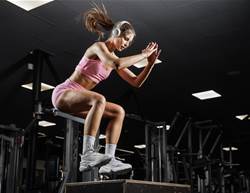
Impact work, such as small jumps, can also increase bone loading, but it is not the starting point for everyone. If you have osteoporosis, joint pain, pelvic floor symptoms or a history of fractures, check in with a clinician before adding impact.
Do not add load to moves you cannot do well yet
If strength training is new, build your base first. Dr Jafarnia is clear on this. “A weighted vest should be used to enhance exercises a person is already comfortable doing,” he says. “If you have never done lunges or squats, starting them with a weighted vest may exacerbate poor posture or form, which could lead to injury.”
A good rule is to master the movement, then add load.
Who might benefit from a weighted vest?
A weighted vest can make sense for people who want to add safe, progressive load to walking or strength training, especially as bone density naturally declines with age.
Because bone loss tends to accelerate after 50, adults in midlife and older age, including postmenopausal women, may benefit when a vest is used thoughtfully as part of a broader program that includes strength training, balance work and enough recovery.
People experiencing significant weight loss may also be candidates, as long as they build gradually and focus on good form. Dr Jafarnia explains that rapid weight loss can reduce the natural load on the skeleton, which may contribute to bone loss. The goal is to keep bones and muscles challenged while weight changes.
A weighted vest can also suit regular exercisers who want to progress their training without jumping straight to higher-impact workouts.
Who should be cautious or avoid using a weighted vest?
A weighted vest is not a universal add-on. Some people should avoid it entirely, or only use it under clinical guidance.
- Severe osteoporosis or a history of vertebral or hip fractures: Avoid impact work in a weighted vest, as it can increase fall risk. If you are unsure, Lipana recommends checking in with a GP first.
- Joint or heart conditions: Orthopedic surgeon Dr Jeremy Smith advises not using a weighted vest without input from a doctor or physiotherapist if you have joint issues or heart problems.
- Pregnancy: Dr Smith also flags pregnancy as a time to avoid weighted vests unless a clinician advises otherwise.
What to look for in a vest
Comfort and adjustability matter. Corbett recommends choosing a vest that feels stable and allows small weight increases over time. “If someone purchases a 10-pound vest and eventually becomes stronger, they will need a heavier vest to continue to see benefits,” he says.
A practical approach is to start with a light, adjustable vest, progress slowly and keep the focus on movement quality rather than load.
Other ways to support bone health
A weighted vest is just one tool. Bone health improves most when daily habits support muscle strength, balance and nutrition.
Dr Jafarnia says several modifiable factors can make a difference, including:
- Not smoking
- Limiting alcohol
- Strength training all major muscle groups two to three times per week
- Getting enough calcium and vitamin D
- Doing a variety of exercises
Consistency matters more than intensity spikes. “Long-lasting consistent changes are important,” he says. “Less than 10 percent of adults over the age of 65 meet the physical activity guidelines. Find an activity you enjoy that incorporates resistance, otherwise you’re less likely to continue it.”
A simple way to build variety is to mix strength training with weight-bearing cardio, plus balance work such as single-leg stands or step-ups. That combination supports stronger bones and lowers fall risk, which is just as important as bone density itself.

 Newsletter
_(11).jpg&h=90&w=90&c=1&s=1)


_(12).jpg&h=90&w=90&c=1&s=1)

.jpg&h=193&w=250&c=1&s=1)