No matter what hair type or texture you have, it’s not uncommon to experience thinning over time. But if your strands seem to be dwindling a little too much for your liking, it’s fair to wonder how to make your hair grow faster.
Luckily, there are plenty of remedies, and some of them might surprise you. While addressing the obvious culprits, like your shampoo or go-to tight hairstyle, can often do the trick, other aspects of your health, from diet to stress levels, can also impact your hair. Ultimately, getting to the root cause of what’s causing your thinning is the best first step to finding the solution.
Ahead, dermatologists explain what might be behind your slower hair growth – and reveal their tips and tricks on how to make your hair grow faster, from natural remedies to in-office treatments.
How to make your hair grow faster
Although there are methods to promote hair growth, there is no magical solution to rapidly speed up the process. But there are a variety of treatments and lifestyle adjustments that can help. Here are a few tips to strengthen strands and boost hair growth.
Try an in-office treatment
Popular treatments that are available to help your hair grow faster include procedures like platelet-rich plasma therapy (PRP), according to Dr Marisa Garshick, a board-certified dermatologist in New York City. “Platelet-rich plasma uses growth factors to keep the hairs in the growing cycle longer,” says board-certified dermatologist Dr Azadeh Shirazi. Results may vary depending on your hair type.
Eat a nutritious diet
Your diet may wield the power to transform your hair from lacklustre to lustrous. “A healthy diet can improve mental and physical health, which can impact hair growth,” explains Dr Brendan Camp, a double board-certified dermatologist. So what types of foods should you eat? Dr Camp recommends anything that has anti-inflammatory effects and is good for hair growth. “This includes unprocessed foods with no added sugar such as fruits, vegetables, whole grains, poultry, fish, olive oil, nuts, and low-fat dairy,” Dr Camp says.
Avoid certain chemicals
While it’s tempting to experiment with different hair treatments, it’s important to be aware of the risks associated with hair processing. “Chemical treatments, hair colouring, and excessive heat can affect the health of scalp skin and hair follicles, and impact hair growth,” explains Dr Camp.
Consider a medicated solution
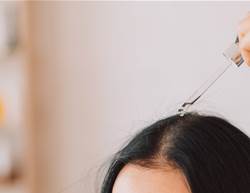
“Artificial stimulation with medicated solutions like Regaine can also help revitalise hairs in the resting cycle, stimulating them to enter the growing cycle,” says Dr Shirazi.
Ways to speed up hair growth
Your hair may not grow overnight, but there are steps you can take towards new strands. Here are a few recommendations for a speedy process:
Avoid certain hairstyles
Styling your hair daily can affect hair health. Traction alopecia, as Dr Camp explains, represents hair loss as a result of sustained tension on the follicle. Dr Camp recommends avoiding hairstyles that put tension on the root of the hair follicle, such as a tightly pulled-back bun or high ponytail. Leaving your hair down or in protective styles may help lessen the tension.
Add vitamins
“Our hair is a reflection of our overall health. Although hair growth rate is genetic, it’s influenced by our healthiness,” Dr Shirazi says. The best vitamins for hair growth, Dr Shirazi says, include vitamin B, vitamin D, zinc and biotin, which can be found in various hair vitamins.
Swap shampoos
How you wash your hair and what products you use can play a role in hair growth. As Dr Garshick explains, using a volumising shampoo can help to improve the appearance of the hair that’s there while waiting for more to grow. Many of these shampoos contain proteins that help to make the hair appear fuller and thicker.
It’s important to read and check the ingredients in your products when shopping for hair growth products. “Avoid heavy conditioners,” Dr Garshick says. “Be sure to only condition the ends of the hair, as too much conditioning near the roots of the hair can weigh the hair down.”
Natural ways to stimulate hair growth
Understanding your hair’s needs is the first step towards creating a routine that best suits your strands. Here are some things you can do now to aid the hair growth process:
Massage your scalp
“Consider scalp massage manually or with a scalp massaging tool to stimulate increased blood flow and improve relaxation,” Dr Camp suggests. “Massage may improve oxygen flow to hair follicles and can limit oxidative stress.”
Stop smoking
“Smoking is associated with the production of free oxygen radicals, which are unstable oxygen molecules that can damage cellular structures and potentially impede hair growth,” Dr Camp says.
Avoid excessive heat
Using intensive heat, as Dr Camp explains, while styling or drying hair can lead to hair damage and breakage. The effects of using hot tools on hair aren’t great, Dr Camp notes – they can dry and damage hair shafts. In addition, it can trigger the formation of air bubbles in them, making strands more fragile. You can use other techniques like air drying.
Be patient
Dr Garshick says a product must be used for three to six months before you even begin to see improvement, so it’s important to be patient.
What causes slower hair growth?
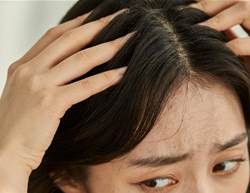
According to Dr Supriya Rastogi, a board-certified dermatologist in New York City, your hair growth can slow down for a number of reasons, “including genetics, ageing, hormonal changes, chronic stress, poor nutrition, and certain medical conditions such as thyroid disorders or iron deficiency.” What’s more, “since hair grows in cycles, it’s also normal to notice periods of increased shedding after illness, surgery, or significant life stress,” she says.
Beyond health conditions, how we treat our hair also matters. “Frequent heat styling, tight hairstyles, and chemical treatments can also cause breakage, making hair seem like it’s growing more slowly even if growth at the scalp is normal,” Dr Rastogi explains.
When to see a doctor about hair loss
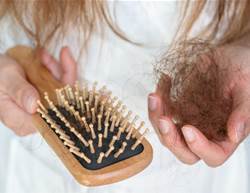
A certain amount of shedding is totally normal, but Dr Rastogi recommends paying attention to any drastic changes. “It’s a good idea to see a healthcare provider if you’re losing hair suddenly, noticing bald patches, or shedding much more than usual for several weeks,” she says.
Hair loss accompanied by other symptoms like “fatigue, unexplained weight changes, or scalp pain and inflammation” may also warrant a visit to the doctor, per Dr Rastogi. “Early evaluation can help identify underlying causes and improve the chances of treating certain types of hair loss before they progress,” she says.
Dietary supplements are products intended to supplement the diet. They are not medicines and are not intended to treat, diagnose, mitigate, prevent, or cure diseases. Be cautious about taking dietary supplements if you are pregnant or breastfeeding. Also, be careful about giving supplements to a child, unless recommended by their healthcare provider.

 Newsletter


_(18).jpg&h=90&w=90&c=1&s=1)
_(11).jpg&h=90&w=90&c=1&s=1)