In summary
- Losing 50 to 100 hairs per day is normal, according to Dr Usha Rajagopal, while anything over 150 on a consistent basis is abnormal.
- Hair loss can stem from causes like telogen effluvium, androgenic alopecia, genetics, nutrient deficiencies, hormonal changes, ageing and harsh products.
- Treatments such as minoxidil, a balanced diet, gentler hair products and limiting heat tools can help treat and prevent hair loss.
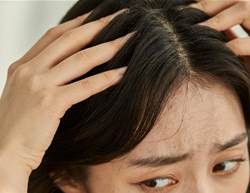
If you have hair, you're probably going to shed it. But while seeing a few stray strands on your pillow or in the shower drain may not raise any alarms, the sight of larger, unexpected clumps may leave you wondering: How much hair loss is actually normal?
There is such a thing as too much shedding, but there's no need to panic if you find yourself crossing that threshold. Understanding exactly what's causing your hair loss is often the key to curbing it. And, luckily, there are plenty of treatments and prevention strategies that can help you nip hair loss in the bud, no matter what's causing it.
Here, experts break down how much hair loss is really normal and what to do if you're concerned.
How much hair loss is normal?
For most people, losing 50 to 100 hairs per day is normal, according to Dr Usha Rajagopal, a plastic surgeon. "Anything over 150 – especially on a consistent basis – is abnormal."
So yes, a certain amount of hair loss is perfectly normal. That baseline shedding is thanks to the natural life cycle our hair goes through, which has four phases, according to Dr Rajagopal:
- Anagen phase: The typical growth phase "where about 85 per cent of the hair grows," according to Dr Rajagopal. "During this phase, cells in the root of the hair divide rapidly, and the hair shaft is formed." Genetics and hair's location determine the duration of this phase, but it usually lasts three to four years, she adds.
- Catagen phase: A transitional phase in which hair cells stop dividing. The hair left – referred to as 'club hair', Dr Rajagopal says – moves closer to the surface of the scalp. This phase lasts around two to three weeks.
- Telogen phase: This is the hair follicle's resting phase. "During telogen, the hair is no longer growing actively, and it eventually sheds," Dr Rajagopal says. "This phase lasts about one to four months, and then the hair falls off."
- Exogen phase: This is a phase newly charted by dermatologists that used to be considered part of the telogen phase, according to Dr Rajagopal. "Now, we have a new definition for it," she explains. Essentially, it's where new anagen hair forms in the follicle, thereby dislodging the telogen hair. "The exogen phase is specifically the moment when the hair is shed from the scalp," Dr Rajagopal says. "It involves the detachment of the hair shaft from the hair follicle. Shedding during the exogen phase is a natural process, and it allows new hair to start growing from the same follicle."
How does hair loss in men compare to hair loss in women?
Experts say the average number of hairs shed by men and women per day is about the same – 50 to 100. However, women or people with long hair are more likely to notice hair loss, explains Dr Andy Goren, a dermatologist and trichologist.
This is even more so the case during shampooing. Dr Goren says 60 per cent of women with the most common form of permanent hair loss, androgenetic alopecia, exhibit excessive shedding of more than 400 hairs per day when washing their hair. On the plus side, longer hairs typically allow women with chronic hair loss to catch it earlier than men, Dr Goren adds.
What causes hair loss?
There are many potential causes of hair loss, including medical conditions, genetics and lifestyle habits. Here are some of the most common:
Telogen effluvium
This type of hair loss is specifically connected to illness, medication changes or significant psychological stress (think: COVID-19-related hair loss), explains Dr Lisa Rhodes, a dermatologist. "It's self-limiting, and the excess shed usually improves after approximately three to four months in most patients," she says.
Medications that may trigger hair loss include those used to treat cancer, arthritis, depression, heart problems, gout and high blood pressure, adds Dr Rajagopal.
Androgenic alopecia
Also known as male-pattern and female-pattern hair loss, it's the most common form of progressive hair loss, Dr Rhodes says. It happens when "circulating hormones slowly miniaturise the hair follicles, which can lead to permanent obliteration or loss of the follicle," she adds. "Stopping this miniaturisation early in the process is essential for maintaining hair density."
Genetics
Genetics plays a huge role in determining a person's hair thickness over time. In fact, androgenetic alopecia is often hereditary in both men and women, Dr Rajagopal says.
Nutrient deficiency
Deficiencies in iron, zinc, vitamins A and D, and other essential nutrients can contribute to hair loss, Dr Rajagopal says. A blood test ordered by your GP can help you determine if you're lacking in any vitamins or minerals.
Hormonal changes
Hormonal fluctuations related to pregnancy, childbirth, menopause, perimenopause and thyroid issues can cause hair loss, says Dr Rajagopal. Stress can also lead to hormonal changes in the body, particularly an increase in the stress hormone cortisol, which can also contribute to hair loss, she adds.
Aging
"Men and women may experience age-related hair loss," says Dr Rajagopal. "As individuals age, the rate of hair growth slows, and hair becomes thinner."
Harsh products
Hair products alone are unlikely to cause hair loss, but some of them may trigger the irritation and inflammation that contribute to it, explains Dr Jason Miller, a dermatologist. "Harsh products like bleach and straighteners can damage hair shafts and also lead to loss of hair," he adds.
Hair loss treatments and prevention
Dermatologists recommend the following treatments and lifestyle changes to help treat and prevent hair loss, no matter what's causing it.
Consider medication and professional procedures
A dermatologist can prescribe topical or oral medications that block certain hormone changes and enhance hair growth, says Dr Rhodes. There are also procedures and devices that can aid in maintaining the health of the follicle, she adds.
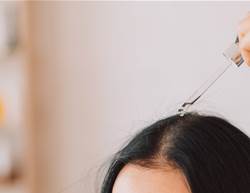
"Minoxidil, commonly known as Regaine, has been shown to be effective in treating certain types of hair loss," adds Dr Rajagopal. "Minoxidil is an over-the-counter topical solution or foam that's applied directly to the scalp. It's approved in Australia for both men and women and is often used to treat androgenetic alopecia. Supplements like Nutrafol are commonly used for addressing hair loss."
Eat a well-balanced diet
"A good diet for promoting healthy hair includes a variety of nutrients that support hair growth and scalp health, like vitamins and biotin," says Dr Rajagopal.
Avoid harsh products
"This means choosing hair care products that are gentle on the scalp and hair, minimising potential damage and irritation," says Dr Rajagopal. "Harsh shampoos may contain ingredients that strip the hair and scalp of natural oils, contribute to dryness or cause irritation." Studies show that certain preservatives and sulphates may contribute to hair thinning – but more research is needed on the subject.
Go easy on heat
Heat, if overused, can also damage hair strands, according to some studies. To lessen your chances of burning strands, which could lead to breakage, limit heat tools like curling irons and straighteners.
Who’s most likely to experience hair loss?
While anyone may experience hair loss throughout their life, people with certain hair types might notice it earlier or more significantly, according to Dr Miller. Specifically, "certain hair types may predispose to hair care practices that can lead to increased hair loss – like tight braids, high-tension styles or certain harsh products," he explains.
When to see a doctor about hair loss
It can be tricky to count the individual hairs you lose daily, but if it feels like the clumps are increasing in size, or you suddenly notice thinning hair or even a bald spot, it's worth checking with your GP or a dermatologist to assess the situation.
Dietary supplements are products intended to supplement the diet. They are not medicines and are not intended to treat, diagnose, mitigate, prevent, or cure diseases. Be cautious about taking dietary supplements if you are pregnant or nursing. Also, be careful about giving supplements to a child, unless recommended by their healthcare provider.

 Newsletter
_(6).jpg&h=90&w=90&c=1&s=1)


_(2).png&h=90&w=90&c=1&s=1)