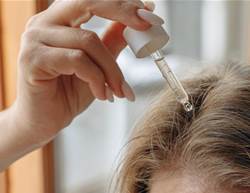
Castor oil isn’t a new ingredient, but it has become a buzzy one in the beauty world. If you’re wondering whether castor oil benefits your skin and hair health, we asked dermatologists to explain what the research actually says.
“Castor oil is widely used in skincare and cosmetic products in a variety of concentrations and for a number of different reasons,” says Dr Cynthia Bailey, a dermatologist. Sometimes, castor oil is used for its skin-boosting benefits. Other times, it helps with the actual structure of beauty products, she says.
“Castor oil is a skin-conditioning agent, meaning that it can help make the skin soft and supple,” Dr Bailey says. “It has been shown to penetrate skin and can increase penetration of other ingredients in skincare products.”
While more scientific research is needed, some studies have found that topical application of castor oil can benefit skin. It’s worth noting that all of the uses below for skin and hair are specifically topical applications. You don’t want to swallow castor oil unless you’re looking to move things along in your digestive system, as it’s also a stimulant laxative.
Here’s how to use it to smooth flyaways, moisturise skin and hydrate rough cuticles, according to dermatologists.
What are the benefits of castor oil?

1. It hydrates and calms the skin
The research on castor oil as a skin salve is pretty limited, says Dr Robin Evans, a clinical instructor of dermatology. However, slathering the stuff on will, at the very least, give your skin a dewy, more youthful glow. “It can function as a lubricant. Moist skin looks better than dry skin – think of a raisin versus a grape,” Dr Evans says.
Some of the benefits are thought to come from ricinoleic acid, an anti-inflammatory fatty acid that boasts antimicrobial and antioxidant properties. “Since dry skin is often inflamed, the presence of ricinoleic acid is important, as it can decrease inflammation,” explains Dr Gary Goldenberg, an assistant clinical professor of dermatology. If you struggle with dry skin, he recommends applying castor oil to your skin before bed, or mixing it with your go-to moisturiser to use once or twice a day.
It’s not the right choice for everyone, though. If you have a condition like eczema, findings suggest that castor oil could further irritate your skin. It’s also mildly comedogenic – or pore-clogging – so it might exacerbate blackheads and whiteheads if your skin is already oily, says Dr Evans.
2. It can tame frizz for a smoother look
Because castor oil functions as a lubricant, it can help make dry, frizzy strands look smoother, Dr Evans says. But, in that respect, you’d likely get the same benefits from any type of oil you might already have in the pantry. Less is more here; otherwise, you run the risk of looking greasy.
3. Your hair will look seriously shiny
What’s more, castor oil can make your locks a little more lustrous. (It specifically causes a change in the reflection of your hair strands, Dr Bailey says.) However, it can make your hair mat up, which is why Dr Bailey recommends diluting it with coconut oil and using it as a hair treatment. Create a one-to-one mix, about two to three tablespoons of each. Then, massage it into your hair, comb it through and let it sit for a few hours. (You can wear a shower cap to protect your clothes or sheets.) Then, rinse thoroughly.
4. It can help reverse hair damage.
Your hair can be damaged by a slew of different things, including harsh shampoo, hair dye, over-drying and elements in the environment. Castor oil combats this in two different ways, Dr Goldenberg says: It can hydrate your hair shaft, as well as your hair follicles, which live in your scalp. And, again, it can decrease inflammation going on in your scalp. “I recommend using it as one of the ingredients in a hair mask once per week,” Dr Goldenberg says.
5. It can hydrate rough cuticles
Dry, cracked cuticles don’t exactly feel great – and because these bits of skin act as protective grout, it’s important to keep the area healthy. “Castor oil, like many oils, is rich in fatty acids that are hydrating by nature,” says Dr Goldenberg. “I recommend applying it before bedtime to the cuticles and nail folds.”
6. It can help make your eyebrows look fuller
It’s for the same reason that castor oil can lead to softer hair – it’s a hydrating oil. If you want to try it on your eyebrows, Dr Goldenberg recommends applying a little oil to your brows before bed and gently washing it off in the morning. It won’t necessarily make your brow hairs grow, but it will help condition them to give them a fuller appearance.
7. It can help soothe dandruff
This, once again, goes back to ricinoleic acid and its anti-inflammatory properties, Dr Goldenberg says. Dandruff is often caused by skin inflammation, and castor oil can help soothe the issue, he says. For best results, he recommends applying castor oil to your scalp before bed and sleeping in a shower cap. Then, wash your hair first thing in the morning.
Are there side effects of castor oil? Who shouldn’t use it?
Avoid ingesting castor oil if you’re pregnant. Castor oil has long been used as a folk remedy to jump-start labour; in addition to stimulating intestinal contractions, some animal studies suggest that it could trigger contractions in the uterus. Whether it actually works is unclear, but it’s better to err on the side of caution and avoid consuming it, says Dr Sherry Ross, an obstetrician and gynaecologist. But if you’re looking to use it for a skin or hair pick-me-up? Dr Ross says to go right ahead.
In a scientific review published in 2026, researchers noted that topical use of castor oil can occasionally cause contact dermatitis or hair felting (when hair suddenly mats and becomes impossible to comb). If you develop an itchy, uncomfortable rash after using castor oil or a product that contains castor oil, discontinue use and consider seeing your doctor if the rash is severe or doesn’t get better within a few weeks.

 Newsletter
_(2).png&h=90&w=90&c=1&s=1)