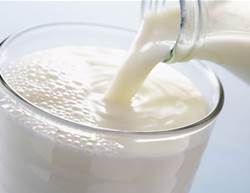
Digestive symptoms like bloating and stomach discomfort often get blamed on dairy. Milk is usually the first thing people cut when they suspect lactose intolerance.
But the reality is often more complicated.
Dietitians say lactose intolerance also gets widely self-diagnosed, which means many people who believe they cannot tolerate dairy may be blaming the wrong trigger. Understanding the difference between lactose intolerance, dairy allergy and general digestive sensitivity can help people assess their tolerance more accurately and avoid cutting dairy unnecessarily.
With many Australians already consuming less dairy than recommended, removing it without good reason can make it harder to meet key nutrient needs like calcium, protein and iodine.
Lactose intolerance vs dairy allergy: not the same thing
Lactose intolerance happens when the body does not produce enough lactase, the enzyme needed to digest lactose, the natural sugar in milk.
When lactose is not fully digested in the small intestine, it passes into the large intestine. Gut bacteria then ferment it, producing gas and other by-products that can lead to bloating, abdominal discomfort and diarrhoea.
Lactose intolerance often gets confused with dairy allergy, but they are very different.
A dairy allergy involves the immune system reacting to milk proteins and can cause symptoms like hives, swelling or breathing difficulties. Dairy allergies are far less common in adults and require medical diagnosis.
Some people also experience digestive symptoms after consuming dairy that do not clearly fit either category. People often refer to this as dairy sensitivity, although it is not a formally defined medical condition.
Because symptoms can overlap, it is easy to assume lactose is the culprit, even when something else may be driving the reaction.
Why many people believe they are lactose intolerant
Research suggests perceived lactose intolerance is much higher than medically diagnosed lactose intolerance.
Many people notice digestive symptoms after drinking milk and immediately link it to lactose. In reality, digestion can be influenced by several factors, including gut health, portion size and eating behaviours such as rushing meals, not chewing well or eating irregularly.
Lactose tolerance also varies between individuals.
Even people with confirmed lactose intolerance can often tolerate small amounts of lactose, particularly when dairy is eaten with other foods. That means complete dairy avoidance is not always necessary.
In many cases, people assume lactose is the problem before exploring other explanations for their symptoms. With the right guidance, many people can reintroduce some dairy, rather than eliminating it entirely.
Emerging research is exploring other explanations
Researchers have started looking at whether components of milk other than lactose may influence digestive symptoms.
One area of interest is the type of beta-casein protein naturally found in milk. Milk typically contains two main forms of beta-casein, known as A1 and A2, and some research suggests digestive responses may differ depending on which type a person consumes.
During digestion, A1 beta-casein can release a compound called beta-casomorphin-7. Some researchers have proposed this as a possible mechanism that could contribute to gastrointestinal symptoms in some people.
For people who still feel uncomfortable with regular milk, even when lactose is reduced, some choose to trial milk that contains only the A2 form of beta-casein. These options are widely available in Australia, including lactose-free varieties. Responses vary between individuals and research in this area is still developing.
The nutritional impact of unnecessarily removing dairy
Dairy foods provide key nutrients in the Australian diet, particularly calcium, protein, iodine and vitamin B12.
National dietary surveys consistently show many Australians already fall short of recommended dairy intake.
Cutting dairy without suitable alternatives can make it harder to meet nutrient needs, especially calcium, which supports bone health across the lifespan.
For this reason, dietitians often encourage people to manage symptoms while keeping dairy in the diet where possible.
The good news is many people do not need to remove dairy altogether.
If dairy seems to upset your stomach, try these steps first
Before cutting dairy completely, a few simple strategies may help.
Start with smaller portions
Many people can tolerate smaller amounts of dairy, especially when eaten with a meal.
Spread intake across the day
Smaller serves more often can feel easier to digest than one large serve.
Try fermented dairy foods
Yoghurt and cheese naturally contain less lactose and may be easier to tolerate.
Seek personalised guidance
An accredited practising dietitian can help work out whether lactose intolerance is likely, identify other triggers and build a plan that protects nutrition.
The takeaway
Digestive discomfort after dairy is common, but lactose intolerance is not always the full explanation.
Because symptoms can come from multiple factors, self-diagnosing lactose intolerance can lead to unnecessary dairy avoidance.
Understanding your tolerance and the difference between lactose intolerance, dairy allergy and general digestive sensitivity can help you make clearer choices before cutting dairy entirely.
For most people, the goal is not to avoid dairy forever. It is to find a way to include nutrient-rich foods while keeping digestion comfortable.

 Newsletter


_(18).jpg&h=90&w=90&c=1&s=1)
_(11).jpg&h=90&w=90&c=1&s=1)