From gals’ night out (that new wine bar!) to a weekend on the sofa with beer, we are drinking more than ever.
One in five women aged 40-65 report drinking alcohol at risky, binge-drinking levels, according to an Australian study. That's a big increase on previous years.
The Australian Government recommends that healthy men and women should drink no more than 10 standard drinks a week and no more than four standard drinks on any one day. The less you choose to drink, the lower your risk of harm from alcohol.
And while you may think you’re only having two standard drinks a day, many of us are confused about exactly how much a standard drink is. A standard drink contains 10 grams of pure alcohol. For example, and average restaurant serve of white wine of 150ml is actually around 1.5 standard drinks. Learn more about standard drinks.
Despite our affinity for alcohol, there are plenty of misconceptions about it. But can you separate fact from fiction? Take this quiz for a straight shot of the truth.
1. True or false: Even moderate drinking isn't healthy
The answer: true
Sure, some research has linked a daily glass of wine to a healthy heart, but the message that alcohol is a wellness product is dead wrong.
The studies that have reported health benefits to alcohol intake may be unreliable. The moderate drinkers in such studies tend to be wealthier and so may have better health for other reasons. Plus the studies can depend on people reporting how much they drink, which can be unreliable.
In fact, alcohol is a carcinogen: research shows that women who drink even moderately have an elevated risk of breast cancer. The bottom line: if you want to boost your health, focus on a balanced diet and daily exercise.
There are a lot of benefits to taking a break from alcohol, including better sleep, better digestion, losing weight and a sharper brain.
2. True or false: Avoiding sulfites in red wine will spare you headaches
The answer: false
Don’t spend your money on pricey sulfite-free wine. Though red wine is a common migraine trigger, its sulfites (which naturally occur in all wine and are sometimes added as preservatives) aren’t to blame, says research in the journal Headache.
The culprits might be phenols—plant compounds, more abundant in red wine than in white, that affect the way your brain processes certain neurotransmitters. Dehydration can also give you a headache, so make sure you keep drinking water.
Steer clear of any type of wine that makes your head pound, along with these other known headache and migraine triggers.
3. True or false: When you cook with wine or beer, the alcohol burns off
The answer: false
Some booze does stay behind, so if you’re avoiding alcohol, your best bet is to leave it out of recipes. To vaporise more alcohol when cooking with it, turn up the heat or cook the food longer, says food science expert Gavin Sacks.
When beef bourguignon, made with a bottle of red wine, is simmered for 15 minutes, half the alcohol remains, but after two and a half hours, just 5% is still there, he says.
Worried you’ll overcook the meat? Boil the wine separately first until it has lost a third of its volume. And put a lid on it: a Food Chemistry study suggests that this can increase the proportion of alcohol that gets vaporised.
4. True or false: A shot will calm your nerves
The answer: Not really
Liquid courage is overrated. Alcohol can temporarily mellow you out by disrupting connectivity between brain regions that process emotion-triggering information.
However, in a study from the University of Illinois at Chicago, people who used alcohol to cope with anxiety got less of a mood boost than those who drank for other reasons (like to socialise with friends). And in the long run, drinking can make anxiety worse.
Alcohol Think Again reports that "over time, alcohol use can lead to the depletion of chemicals that have an important role in maintaining our mental health and help to reduce anxiety naturally".
Explore these other great ways to relax.
5. True or false: Drinking more alcohol won't cure your hangover
The answer: true
The hair of the dog might distract you for a bit, but it will prolong your pain. A hangover can last 12 to 24 hours as your blood alcohol level declines from its peak, and if you drink more, you reset the clock.
You could pick up a hangover-recovery drink, patch, or powder at the chemist, but none has been proven effective by independent research. A nonsteroidal anti-inflammatory pain reliever can ease your throbbing headache, although for now the only guaranteed hangover cure is avoidance.
6. True or false: there is no quality substitute for a glass of wine
The answer: not true!
With more people cutting back on alcohol than ever and more alcohol-free products vying for your attention, drinks manufacturers have had to up their game to create high-quality drops with less alcohol. There is now a great range of non-alcoholic options.
Brands such as Edenvale specialise in low-alcohol wines developed to offer the same taste, smell, and complexity as traditional wines. Edenvale uses Australian grapes using the same winemaking techniques as traditional wine but with the alcohol removed. Edenvale wines contain less than half the kilojoules of normal wine, are rich in antioxidants and taste great.
Try these Edenvale favourites
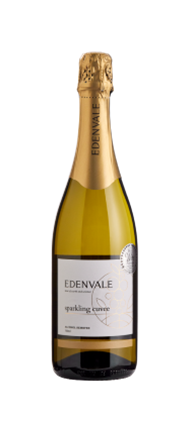
Edenvale Sparkling Cuvée, a crisp and fresh bubbly with delicious rich fruit flavours.
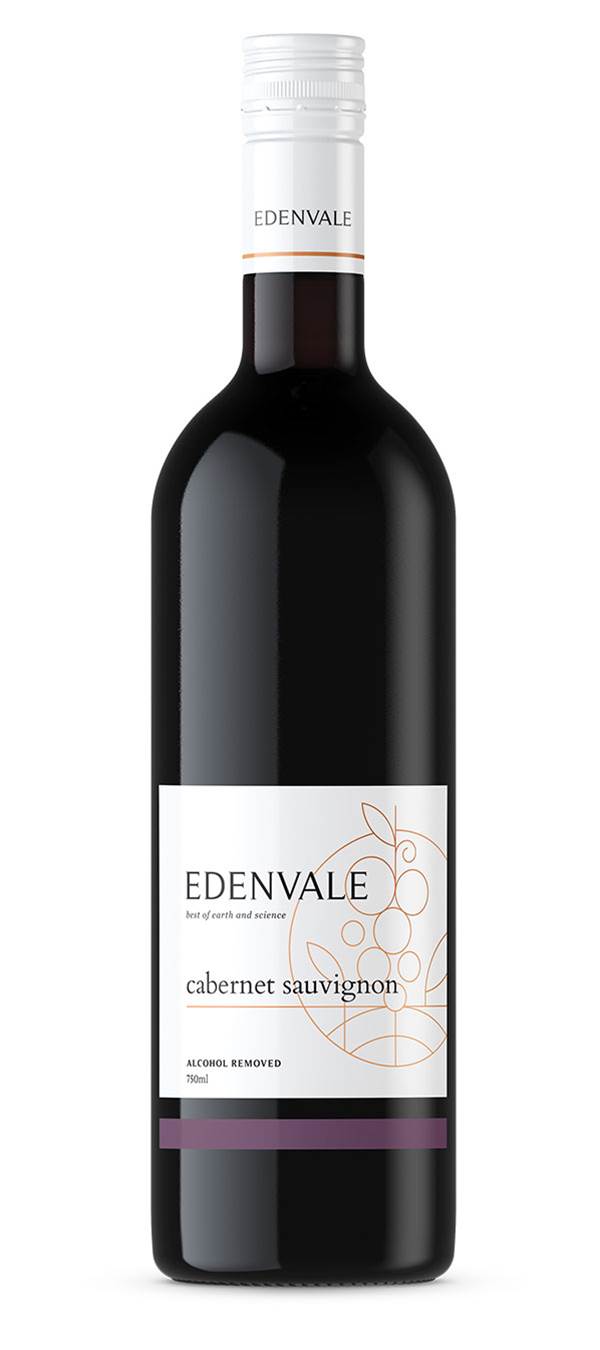
Cabernet Sauvignon, a smooth deep red with intense blackcurrant, blackberry and cedar flavours.
Reduce your alcohol intake by swapping out alcoholic drinks with non-alcoholic drinks. It also helps to change your habits. Instead of coming home to relax with a drink, try taking a bath or going for a walk. And beware of emotional drinking for anxiety or to help you sleep. There are better ways to deal with stress.
At Prevention, we only collaborate with trusted brands. To bring you this article we have partnered with Edenvale.

 Newsletter

_(2).png&h=90&w=90&c=1&s=1)