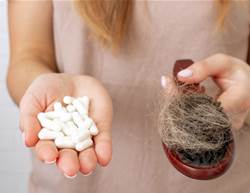
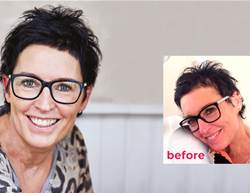
When it comes to the strength and glow of skin, hair and nails, what goes on the plate matters just as much as what goes on the bathroom shelf. That is why ingredients like collagen and biotin get so much attention. Both support healthy-looking skin and stronger hair, but they work in different ways, and the “best” choice depends on what you are trying to improve.
Below, a dietitian and dermatologist explain how collagen and biotin may support hair, skin and nail health, plus the simplest ways to get more of each through food and, where appropriate, supplements. Always check with a healthcare professional before starting a new supplement, especially if you are pregnant, breastfeeding, managing a health condition or taking prescription medicines.
Possible benefits of collagen
“Collagen is a protein that supports your skin, joints, and connective tissues,” says dietitian Lauren Manaker. “As we age, our natural collagen production slows down, which can lead to wrinkles, joint discomfort, or less skin elasticity. Supplementing with collagen may help support these areas.”
Collagen gets most of its hype for skin. The logic is straightforward: collagen helps support the structure of the skin, and lower collagen levels can link with changes in firmness and elasticity over time. Dermatologist Dara Spearman says that “anyone could increase their collagen intake to improve skin health by increasing hydration, elasticity, and firmness.”
Research has looked at collagen supplements specifically for skin hydration and elasticity, with some studies reporting improvements compared with placebo. Collagen is also popular for joint support, particularly among active people. “Collagen is also popular among athletes seeking joint support or individuals recovering from injuries,” Dr Spearman says.
Collagen has also been studied for joint comfort, particularly in osteoarthritis. Some research suggests collagen may help reduce joint pain and stiffness for some people, although results can vary and it is not a substitute for a personalised treatment plan.
The best way to get collagen
Before reaching for a tub of powder, it helps to remember that collagen support starts at the meal level. Collagen itself comes from animal connective tissue, but the body also needs the building blocks and co-factors to make its own.
“Collagen is found in animal connective tissues, such as bone broth, chicken skin, and fish with skin,” says Dr Spearman. “You can also make sure you’re getting enough fruits, vegetables, nuts, and seeds to provide the amino acids necessary to synthesize collagen.”
A practical way to think about it: collagen-rich foods (or collagen supplements) sit on top of a base that already includes enough protein, plus vitamin C-rich produce, plus a decent spread of minerals from whole foods.
If a supplement is on the table (after chatting with a healthcare professional), collagen comes in powders, capsules and liquids. Dr Spearman suggests liquid: “Liquid collagen is often absorbed faster due to its hydrolyzed form, which has already been broken down into smaller, more digestible peptides.” It also tends to be easier to take consistently because it can be mixed into smoothies or coffee-style drinks.
One quick label note: some products use hydrolysed collagen peptides (already broken down) while others include undenatured type II collagen, which has not been broken down.
Potential drawbacks to collagen
Collagen generally has a good safety profile, but it is not completely “nothing can go wrong”.
“Collagen is generally safe, but some may experience digestive issues,” says Dr Spearman. Cost also becomes a real barrier, especially if the product is third-party tested and designed for daily use. If collagen causes bloating, reflux or nausea, it is a sign to pause and reassess.
Possible benefits of biotin
Biotin gets marketed as the beauty vitamin, but its day job is more basic.
“Biotin, also known as vitamin B7, plays a key role in helping your body convert food into energy. It also supports healthy hair, skin, and nails, which is why you’ll often see it in beauty supplements,” says Manaker.
Biotin deficiency can link with symptoms such as thinning hair and brittle nails, which is why it comes up so often in hair and nail conversations. But for people who are not deficient, evidence is mixed on whether extra biotin leads to visibly better hair or stronger nails. This is where a lot of frustration comes from: biotin can feel like a magic fix, but it may not move the needle if the underlying issue is something else (iron, thyroid function, stress, perimenopause, over-styling, low overall protein intake).
Biotin is water-soluble, so excess amounts usually leave the body in urine, which is one reason it is often considered low risk. Still, “low risk” does not mean “always a good idea”, especially at high doses.
The best way to get biotin
Most people can meet biotin needs through everyday food.
“With a healthy diet, you are likely getting the right amount of biotin needed without supplementing,” says Dr Spearman.
Food sources include nuts, eggs, fish, sweet potatoes and mushrooms. If a supplement is recommended, biotin comes as soft gels, tablets and gummies, and timing is flexible. Consistency matters more than the hour on the clock.
Potential drawbacks to biotin
Biotin has one big catch that rarely makes it into the marketing: it can skew certain blood test results.
The biggest downside is that biotin may generate falsely low or falsely high results on some lab tests. Biotin can interfere with tests used to diagnose thyroid disease, heart disease, pregnancy, anaemia and even certain cancers, which can delay the right treatment.
Dr Spearman adds that some medications may also reduce biotin absorption, including antibiotics and anti-seizure drugs. That matters if biotin is being used to address suspected deficiency or if someone is stacking multiple supplements.
“Biotin is safe for most people, but some may experience stomach issues,” says Dr Spearman. “Some find that taking it with food helps.”
If lab work is coming up or prescription medications are in the mix, it is worth flagging biotin use with a GP before starting or continuing a supplement.
Collagen vs biotin: which should you take?
“It depends on your goals,” says Dr Spearman. “If you are concerned about skin elasticity and wrinkles, collagen may be a better option. If you are experiencing hair loss or have brittle nails, biotin may be more effective. In some cases, taking both supplements together may be best.”
A practical way to decide: collagen tends to align with skin elasticity and hydration conversations, while biotin makes more sense when hair and nails are the main concern or when deficiency is suspected. The evidence base for collagen supplements looks stronger than biotin for otherwise healthy people, but neither replaces the basics that move results most consistently: adequate protein, iron status, stress management and realistic hair and skin expectations through midlife.
Dietary supplements are products intended to supplement the diet. They are not medicines and are not intended to treat, diagnose, mitigate, prevent or cure diseases. Be cautious about taking dietary supplements if you are pregnant or nursing. Be careful about giving supplements to a child unless recommended by their healthcare provider.

 Newsletter
_(11).jpg&h=90&w=90&c=1&s=1)

_(10).jpg&h=90&w=90&c=1&s=1)