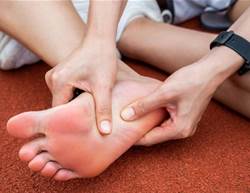
As the years stack up, flexibility can slip quietly into the background. One day it is harder to twist and reach the top shelf. Shoes take longer. Getting out of the car feels tighter through the hips. Even with regular walking, many people notice that legs, back and shoulders feel more stiff than supple by the end of the day.
A daily stretching routine can help. Not because it is a magic fix for ageing, but because it supports something that affects almost every movement: range of motion, or how far a joint can move comfortably in different directions.
What can stretching really do for you?
The strongest evidence for daily stretching sits in flexibility and range of motion. A meta-analysis published last year found that stretching for around 4 to 10 minutes a day improves flexibility and range of motion in adults.
Range of motion shows up in everyday life more than people realise. It is rotating the shoulder to reach a high shelf, bending to tie shoes, turning the spine to reverse the car, stepping wide to get out of a low seat.
“This is particularly important with age, because muscle stiffness tends to increase as we age, and this may contribute to reduced mobility overall,” says Sports physical therapist Leada Malek. Malek adds that stretching can also increase blood flow to muscles, reduce muscle tension and improve overall mobility when moving into exercise such as running, dancing or strength training.
Getting started
For people who are returning to stretching after years of doing little to none, the safest first step is to treat it like any other fitness habit: start small, pay attention to signals, then build.
A short session with a qualified practitioner can help, especially if there is pain, past injury or uncertainty about what is “normal tight” versus “do not push”.
A simple assessment usually covers activity levels, health history, injury red flags and goals, then checks basic range of motion through hips, hamstrings, upper back and shoulders. The aim is to find a stretch that feels challenging but controlled, not painful. Many practitioners use a perceived intensity scale, where a mild stretch sits around a 3, moderate around a 5 and a deeper stretch stays below a 7.
That approach keeps stretching effective and low-drama. It also helps identify the common areas that tend to tighten with age, including hamstrings, hips, upper back and shoulders.
Once the baseline is clear, a daily routine does not need to be long. A consistent 5 to 10 minutes, done gently and regularly, tends to beat a once-a-week deep stretch that leaves the body cranky.
7-day stretching routine
A one-off stretch session can feel great, but the real payoff usually comes from repetition. To test what a week of daily stretching would feel like, a routine was built around the areas that commonly feel tight with age and desk time: hips, hamstrings, upper back and shoulders. It also fits real-life constraints: short, achievable and no special equipment beyond a yoga mat.
Malek suggests aiming for “at least 2–3 sets of 30 seconds per targeted muscle set per day”. That is long enough to create a meaningful stimulus, without turning stretching into another chore.
This routine was designed to take about 10 minutes, depending on how long each hold lasts.
1. Thread the needle (upper back mobility)
Start on all fours. Reach one arm up towards the ceiling, then slide it under the opposite arm until the shoulder and side of the head rest on the mat. Hold for 30 seconds, then switch sides.
This move targets upper back rotation, which tends to stiffen quickly when days are spent looking down at screens.
2. Pigeon stretch (hips and glutes)
Start on all fours. Bring the right shin forward and rest it on the floor, with the right knee behind the right hand. Slide the left leg back behind the body. Hold for 30 seconds, then switch sides.
If hips feel tight, keep the torso more upright rather than folding forward. The goal is steady sensation, not intensity.
3. Chair hip flexor stretch (hip flexors)
Face a chair. Place one foot up on the seat, keep the other foot flat on the floor. Press forward gently through the hips. Hold for 30 seconds, then switch sides.
Hip flexors shorten with long sitting, and tightness here often feeds into lower back discomfort.
4. Doorway pec stretch (chest and shoulders)
Stand in a doorway. Place forearms against the frame and lean forward until a stretch is felt across the chest and front of the shoulders. Hold for 30 seconds.
This helps counter “rounded shoulders” posture and can make the upper body feel less compressed.
5. Book openers (spinal rotation, lower back and chest)
Lie on one side with the top leg bent at the knee. Extend both arms straight out in front. Lift the top arm and rotate it open until the back of the hand reaches towards the floor on the other side, keeping the bottom arm still. Repeat several times, then switch sides.
This is a great end-of-day unwind move when the spine feels stiff.
6. Standing quad stretch (front of thigh)
Stand tall, using a wall or chair for balance if needed. Bend one knee back and hold the foot so it comes towards the glutes. Hold for 30 seconds, then switch sides.
Keep knees close together and avoid arching the lower back.
7. Runner’s stretch (calves)
Stand with one leg forward, one back. Bend the front leg while keeping the back leg straight to stretch the upper calf. Then bend the back knee slightly to stretch deeper into the lower calf and Achilles. Hold each position briefly, then switch sides.
Calf tightness often shows up as heel pain, foot stiffness and that “tight all the way down” feeling after walking.
How it felt to stretch for 7 days straight
Day one felt clunky. Getting the positions right took some trial and error, plus a quick refresher on form. A couple of the stretches, especially Thread the Needle and pigeon, felt awkward at first, which usually signals a tight area that has not been asked to move that way in a while.
There was also a mild “hello, muscles” after-effect. A small twinge around the shoulder blade and a gentle ache through the hips showed up later in the day. It did not feel like post-leg-day pain, more like the body registering a new kind of effort.
By the middle of the week, the routine started to feel smoother. Holds became easier, range of motion improved and the stretches stopped feeling like a checklist. A turning point often lands around day four, when counting seconds fades and breathing takes over.
Malek notes that stretching helps range of motion because “muscle stiffness tends to increase as we age, and this may contribute to reduced mobility overall”. When the breath slows, it becomes easier to ease a little further on each exhale, without forcing anything.
By the end of the week, the change felt practical, not dramatic. Movements that usually felt tight started to feel less “grabby”, and the body settled more quickly after walking. The leg stretches tended to become the favourites because they delivered immediate relief and were easy to sneak in during the day, even between tasks.
The most realistic long-term plan is not stretching every day forever. A few days a week often feels sustainable, especially alongside walking and occasional strength work. Flexibility does not need to look like old-school gymnastics to be useful. It just needs to make everyday movement feel easier and keep the body feeling more capable year-round.

 Newsletter
_(14).jpg&h=90&w=90&c=1&s=1)
_(13).jpg&h=90&w=90&c=1&s=1)


_(10).jpg&h=90&w=90&c=1&s=1)
_(11).jpg&h=193&w=250&c=1&s=1)
_(6).jpg&h=193&w=250&c=1&s=1)