Holidays hit differently in midlife. You still want the fun stuff: great food, a change of scenery, a proper break. But you also want to come home feeling better than when you left, not flattened by late nights, heavy itineraries and “holiday injuries” that start with a cute shoe choice.
The travel sweet spot right now looks like this: movement built in, recovery protected, friction reduced. Here are eight experiences women are leaning into, plus places that suit Australians for each.
1. The walkable-mornings trip
This is the holiday where you choose a base that lets you move without thinking. Coffee, a waterfront loop, a market wander, a museum, all before lunch. Then you downshift. It works because it supports energy and mood without turning the day into a sprint.
Japan suits this beautifully in Kyoto and Kanazawa. Spain delivers the same rhythm in San Sebastián and Bilbao. Portugal does it well in Lisbon and Porto. New Zealand works too, especially Wellington.
The trick is one anchor a day, one neighbourhood or one booking, then let the rest unfold.
2. Water-first holidays
This is the reset that feels like wellness without trying. Daily ocean dips, snorkelling, lagoon swims, paddleboarding or simply floating. Water gives you cardio, strength and recovery without the joint load of long, hot walking days.
Vietnam makes it easy in Phu Quoc. Indonesia suits it in Nusa Lembongan and the Gili Islands. Thailand works well in Koh Lanta and Koh Tao. Palau is the splurge version if you want something truly special.
The pace that feels best is simple: bigger water day, lighter day, repeat.
3. The sleep-reset break
Not a wellness retreat, just a holiday designed around sleep. Cooler nights, earlier dinners, slower starts, minimal alcohol and a calm room you actually want to return to.
Better sleep quickly lifts cravings, irritability and that flat midlife fatigue that can creep in when life is full.
New Zealand is an easy win in Queenstown and Wanaka. Japan suits it in Hakone and parts of Hokkaido depending on season. Domestically, Tasmania and Margaret River do “sleepy reset” well without the flight stress.
The first 48 hours matter most. Get daylight, hydration, and early night.
4. Hot springs and bath culture
This is recovery travel with a glow. Mineral soaks, hot springs, sauna sessions and long rests in between.
Heat and buoyancy help stiff hips, shoulders and lower backs, plus it calms the nervous system in a way that feels immediate.
Iceland suits this perfectly, especially around Reykjavík and the South Coast, where hot soaks slot into your day without effort. In Australia, Daylesford and the Mornington Peninsula hot springs are the easy version.
Keep it simple. Do one proper soak session a day, and hydrate like it is part of the itinerary.
5. Food trips that are also gut-friendly
This is indulgence without regret. Markets, long lunches, fresh local produce, lighter dinners and a rhythm that keeps energy steady. It works because travel bloat and blood sugar swings hit harder when sleep is off.
Greece nails it in Crete and Naxos, where the food is satisfying but rarely heavy, and walking is easy to build in. In Australia, Adelaide and the Margaret River region suit this “food trip, but make it steady” vibe.
A small move that changes everything is breakfast protein. It stops the late-day pantry spiral and makes the rest of the day feel steadier.
6. The one-bag, no-drama city break
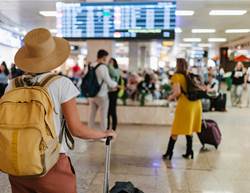
This is the short-leave hero. Two or three nights, simple logistics, one base, and you go home feeling like you actually had a break. It works because it delivers high reward with low admin, which is often what midlife women want most.
Singapore works because it’s compact, safe, easy to navigate, and you can customise the intensity with big walkable days when you feel good, air-conditioned culture and pool time when you don’t. In Australia, Sydney can work if you pick one neighbourhood per day and treat a midday reset like an appointment.
Cities drain you when you pretend you can do 12 hours straight.
7. Creative holidays with a physical bonus
Pottery, cooking, photography walks, dance workshops, painting, writing retreats. These trips restore identity and play, not just rest, and they keep you moving lightly in a way that reduces stiffness.
Italy suits this best in Tuscany and Bologna, where workshops and slow wandering come built in. In Australia, the Blue Mountains and the Byron hinterland often have the same workshop-plus-nature rhythm.
Choose one skill for the trip. Too many workshops turns into another schedule.
8. The micro-adventure that proves you are still strong
Not extreme, just confidence-building. Guided hikes with a comfortable base, e-bike touring, gentle multi-day walks, beginner surf, canyon swims. This works because confidence spikes when your body feels capable again, without punishment.
Portugal is ideal for this along the Algarve and parts of the Rota Vicentina, where you can go “adventure-lite” without punishment. In Australia, Freycinet and parts of the Great Ocean Walk give a similar “capable body” hit with good pacing options.
Build in an opt-out option daily. Recovery is part of the adventure.
The pick-your-experience shortcut
If you feel tired and wired, go sleep-reset or hot springs. If you feel stiff or puffy, go water-first. If you feel flat and bored, go on a creative or micro-adventure. If you are time-poor, do a one-bag city break. If your gut always plays up on holidays, travel with food that has a gut-friendly rhythm.

 Newsletter
_(2).png&h=90&w=90&c=1&s=1)


_(6).jpg&h=90&w=90&c=1&s=1)