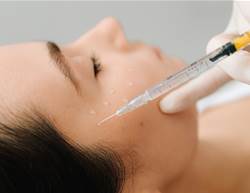
Non-surgical skin tightening used to sound simple. You booked a treatment, hoped for a little lift and waited for the collagen glow to arrive.
Now, the clinic menu can feel more complicated.
Ultherapy, Thermage and XERF all promise firmer-looking skin without surgery. They are often discussed in the same breath because they sit in the same broad category: energy-based treatments designed to heat targeted layers of tissue and encourage collagen remodelling over time.
But they are not the same treatment.
Ultherapy uses ultrasound. Thermage uses radiofrequency. XERF uses a newer form of multifrequency radiofrequency. One may be better suited to lifting. Another may suit smoothing or firming. Another may appeal to people who want a more customisable treatment with less discomfort.
Before you book, it helps to understand what each one actually does, what it cannot do and what to ask in the consultation.
What does non-surgical skin tightening actually do
These treatments do not remove loose skin in the way surgery can. Instead, they use energy to heat layers under the skin. That controlled heating aims to trigger the body’s repair response and stimulate collagen and elastin, the proteins that help skin look firmer, smoother and more resilient.
Results are usually gradual. Some people notice a subtle change sooner, but the bigger effect often develops over weeks to months as collagen remodels. The result is not usually dramatic or face-changing. It offers fresher, firmer and a little more lifted, not a surgical facelift.
That subtlety is part of the appeal. For many people, these treatments are about looking less tired or less lax without obvious downtime.
What is Ultherapy
Ultherapy is a non-invasive treatment that uses micro-focused ultrasound energy. It can target deeper support layers under the skin, including areas often discussed in relation to lifting and tightening.
It is often thought of as the “lift” option. It is commonly used around the brow, jawline, under the chin, neck and décolletage, depending on the person and treatment plan.
One reason it stands out is that ultrasound imaging allows the practitioner to see the layers being treated, which can help guide where energy is delivered.
It may suit people with mild to moderate skin laxity who want a more lifted look, especially around the lower face, chin or neck. It may not be the best match if your main concern is surface texture, pores, pigmentation, deep wrinkles, or significant loose skin.
The treatment can feel intense for some people because the energy is delivered into deeper layers. Pain levels vary widely, so it is worth asking your provider what to expect and what comfort options are available.
What is Thermage
Thermage is a non-invasive radiofrequency treatment designed to help smooth, tighten and contour the skin. Instead of ultrasound, it uses radiofrequency energy to heat tissue and stimulate collagen.
It is often thought of as the “firm and smooth” option. It may be used on the face, around the eyes, on the body, or in areas where the goal is improved firmness and texture rather than a pronounced lift.
It may suit people who notice crepey skin, mild laxity, fine lines, softening around the face, or skin that no longer feels as firm as it used to. It is also often discussed for areas beyond the face, which makes it appealing for people thinking about skin texture and firmness on the body.
Thermage is not a weight-loss treatment. It will not remove significant sagging or replace surgery. But for the right person, it may help skin look smoother and tighter over time.
Discomfort varies. Some people find radiofrequency treatments very tolerable, while others feel heat, zaps, or pulsing sensations during treatment. As with any energy-based device, the practitioner’s training matters.
What is XERF
XERF is a newer skin-tightening treatment that uses multifrequency monopolar radiofrequency. It combines different frequencies and has settings that allow practitioners to adjust treatment depth and intensity.
It is the newer “customisable RF” option. It is designed to deliver radiofrequency energy into the skin at selected depths, with the goal of supporting collagen, firmness and smoother-looking skin.
Because it is newer, it is generating a lot of interest among people who want tightening but are nervous about discomfort or downtime. It is often promoted as a no-needle, no-downtime treatment, though your experience can still depend on your skin, treatment settings and practitioner.
XERF may suit people with mild to moderate laxity who want a gradual firming effect. It may also appeal to those looking for a maintenance treatment rather than a dramatic change.
The important caveat is that because XERF is newer than Ultherapy and Thermage, it is worth asking your clinic about the evidence, expected results, number of sessions, practitioner experience and whether it is the right fit for your skin concern.
Ultherapy vs Thermage vs XERF: the difference in plain English
Ultherapy is usually the one people consider when they want more lift. It uses ultrasound and can target deeper structural layers. That makes it a common option for the brow, jawline, chin and neck.
Thermage is usually the one people consider when they want skin to feel firmer, smoother and more refined. It uses radiofrequency and is often discussed for both face and body tightening.
XERF is usually the one people consider when they want a newer, adjustable radiofrequency option. It may be appealing for mild to moderate laxity, collagen support and a more comfortable experience, but it is still important to ask how much real-world evidence your provider has seen.
A simple way to think about it:
- Choose Ultherapy if your main concern is mild sagging or a loss of lift.
- Choose Thermage if your main concern is firmness, crepey texture or overall skin tightening.
- Ask about XERF if you want a newer radiofrequency option that can be customised by depth and intensity.
- Consider surgery if you have significant loose skin, deep jowls, or a heavy neck that energy treatments cannot realistically correct.
Which treatment is best for the jawline
For a softening jawline or early jowls, Ultherapy is often the better-known lifting option because it targets deeper layers. XERF may also be discussed for lower-face firming, especially if the laxity is mild to moderate.
Thermage may help improve firmness in the area, but it is usually framed more as tightening and smoothing than lifting.
It depends on whether the issue is skin laxity, facial fat, bone structure, muscle pull, volume loss, or a combination of all of them. A good consultation should explain which part of the jawline concern can realistically improve with energy-based treatment.
Which treatment is best for the neck
Neck skin can be tricky. It is thinner, more mobile and often shows laxity earlier than the face.
Ultherapy may be considered for mild to moderate neck laxity, especially when the goal is lift under the chin or along the upper neck. Thermage may suit crepey texture or general tightening. XERF may be suggested for firming if the practitioner thinks your skin thickness and laxity are suitable.
If you have prominent platysmal bands, a heavy neck, significant skin folds, or advanced laxity, a non-surgical tightening device may not give the result you want. In that case, it is better to know before spending the money.
Which treatment is best for the eye area
Thermage is often discussed for the eye area because radiofrequency can be used to target fine lines, crepiness and mild laxity around the eyes, depending on the device, tip and practitioner.
Ultherapy may be used for brow lifting in suitable patients, but the eye area needs careful assessment. XERF may also be discussed by some clinics for periocular firmness, but you should ask exactly where the energy will be delivered and what safety protocols are used.
The skin around the eyes is delicate, so this is not the area to bargain-shop. Choose a qualified practitioner with experience treating that specific zone.
Which treatment is best if you are worried about facial fat loss
This is one of the most important questions to ask before any heat-based treatment.
Energy-based devices are designed to heat tissue, but the depth, temperature, technique and patient selection matter. In the wrong setting, or in the wrong face, there may be concern about unwanted volume change, especially for people who are already very lean or have hollowing.
If your face is thin, your cheeks are hollow, or you are already worried about looking gaunt, tell your practitioner before treatment. Ask whether the device, depth and settings could affect facial volume. You may be advised to avoid certain areas, adjust settings, or choose a different treatment plan.
Who should avoid these treatments
Not everyone is a good candidate for energy-based skin tightening.
You may need to avoid or delay treatment if you are pregnant, have an active skin infection, have open wounds, have certain implanted medical devices, have metal implants in the treatment area, have recently had certain cosmetic procedures, or have a medical condition that affects healing.
People with a history of keloid scarring, autoimmune disease, nerve issues, severe skin laxity, very thin facial tissue, or unrealistic expectations should have a more detailed medical review first.
If you have fillers, threads, anti-wrinkle injections, dental implants, or previous facial surgery, disclose everything. Timing and treatment zones matter.
What results can you realistically expect
The most realistic result is subtle firming and tightening over time.
You may look fresher. Your jawline may look a little cleaner. Skin may feel firmer. Fine lines or crepey texture may look softer. But these treatments do not make a 55-year-old look 35, and they do not remove loose skin the way surgery can.
Results also vary. Age, skin thickness, collagen quality, sun damage, genetics, smoking, weight changes, hormones and lifestyle can all affect how well your skin responds.
That is why before-and-after photos are useful, but only if they show people with similar skin laxity, age and face shape to yours.
How many sessions do you need
Many clinics position Ultherapy and Thermage as once-yearly or single-session treatments, although some people may need repeat sessions or maintenance depending on their goals.
XERF protocols may vary more because it is newer and settings can be customised. Some clinics may recommend a series rather than one session.
Ask your provider what they recommend for your face, why they recommend that number, when you should expect results and how long those results may last. A vague answer is a red flag.
Is there downtime
These treatments are often described as having little to no downtime. Many people return to normal activities the same day.
That does not mean nothing happens afterwards. You may have redness, swelling, tenderness, tingling, tightness, bruising, temporary numbness, or sensitivity. Most reactions are mild and short-lived, but adverse effects can happen.
Aftercare usually involves gentle skincare, sunscreen and avoiding harsh actives for a short period, depending on your provider’s advice.
How to choose between Ultherapy, Thermage and XERF
Start with the concern, not the device.
If your concern is sagging, ask whether you need lifting, tightening, volume support, muscle relaxation, or surgery. If your concern is texture, ask whether radiofrequency, laser, resurfacing, microneedling, skincare, or a combination plan makes more sense.
It also helps to ask what your skin will not improve with the treatment. A good practitioner should be comfortable telling you when a device is not enough.
Before booking, ask:
- What is my main issue: laxity, volume loss, texture, fat, muscle, or skin quality?
- Why are you recommending this device over the others?
- How many treatments will I need?
- When will I see the full result?
- What result is realistic for my age and skin?
- What are the risks for my skin tone and skin type?
- Could this affect facial fat or volume?
- Who performs the treatment?
- How often do they use this device?
- What happens if I am unhappy with the result?
The bottom line
Ultherapy, Thermage and XERF can all sit under the “non-surgical skin tightening” umbrella, but they suit different concerns.
Ultherapy is often best known for lift. Thermage is often best known for firming and smoothing. XERF is the newer customisable radiofrequency option that may appeal to people wanting gradual tightening with minimal downtime.
None of them replaces surgery. None of them delivers identical results for every face. The best choice depends on your skin, your anatomy, your tolerance for discomfort, your budget and your expectations.
The smartest move is not choosing the trendiest device. It is choosing the treatment that matches the problem you actually have.

 Newsletter

_(2).png&h=90&w=90&c=1&s=1)