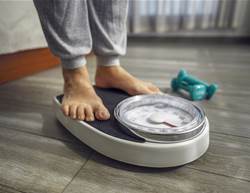
Weight gain during menopause is common. Some research suggests women gain around half a kilo a year through this stage, which can feel frustrating when routines have not changed much.
If you are in perimenopause, postmenopause or somewhere in between, it makes sense to wonder what actually helps with menopausal weight gain, beyond generic advice.
New research suggests one possible factor: postmenopausal women using tirzepatide for weight loss may lose more weight if they also use menopausal hormone therapy.
The study, published in The Lancet Obstetrics, Gynaecology, & Women’s Health, analysed data from 120 postmenopausal women with overweight or obesity who took tirzepatide for 12 months or more. Researchers found that women who also used hormone therapy, which typically involves oestrogen and progesterone to relieve menopause symptoms such as hot flushes, lost 35% more weight than those who used tirzepatide alone.
In the study, women in the hormone therapy group lost about 19.2% of their body weight compared with 14% in the group that did not use hormone therapy. A higher percentage of women in the hormone therapy group also lost between 20% and 30% of their total body weight.
So what might be going on?
Why hormone therapy may support more weight loss during menopause
A few important caveats matter here. The study did not prove that hormone therapy caused greater weight loss, it found an association. It is also possible that women who chose hormone therapy were more likely to follow other habits that support weight loss, but the study cannot confirm that.
Still, experts say there are plausible reasons hormone therapy could influence weight-related outcomes.
“Estrogen has well-established effects on energy balance, [fat] distribution, and insulin sensitivity,” says endocrinologist Dr Christoph Buettner. After menopause, the natural decline in oestrogen can contribute to changes in body fat distribution, reduced insulin sensitivity and shifts in appetite regulation, he explains.
“Menopausal hormone therapy can partially reverse these changes and reduce central belly fat accumulation, and potentially enhance brain signaling related to energy balance,” Dr Buettner says. Tirzepatide reduces appetite and improves glucose metabolism, so the combination may create a larger overall effect.
The link may also be indirect. Clinical professor of obstetrics and gynaecology Dr Lauren Streicher points out that hormone therapy can relieve symptoms that interfere with the routines that make weight management easier. Hot flushes and poor sleep can affect motivation, movement and food choices. “Treating hot flashes facilitates weight loss,” Dr Streicher says.
Researchers also suggested that improving sleep and quality of life may make it easier to exercise consistently and stick with healthier eating patterns.
Overall, “these findings suggest that hormone therapy might enhance the therapeutic effects of tirzepatide in this population,” says ob-gyn Dr Jessica Shepherd.
Could other weight loss medications have a similar effect
Possibly. Doctors say the same pattern could apply to other medications in the GLP-1 family.
“There is a benefit to using hormone therapy with GLP-1s,” Dr Shepherd says. This class includes medicines such as semaglutide.
A small 2024 study of 106 postmenopausal women published in Menopause found that those who used semaglutide alongside hormone therapy were more likely to lose 5% to 10% of their body weight after 12 months compared with those who used semaglutide alone.
This is still early evidence and the studies so far are relatively small. But it adds weight to the idea that hormonal status may shape how the body responds to weight loss treatment.
Potential side effects
All medications come with possible side effects and both tirzepatide and hormone therapy can cause them.
Common side effects linked with tirzepatide include nausea, diarrhoea, vomiting, constipation, indigestion, stomach pain, injection site reactions, fatigue, belching, hair loss and reflux.
Side effects from hormone therapy depend on the type and dose, but can include vaginal spotting or bleeding that usually settles within six months, temporary breast soreness, bloating and headaches.
Dr Shepherd says taking both at once appears acceptable based on current evidence, though Dr Buettner notes safety data on combining them is still limited.
The takeaway
If weight gain feels stubborn in postmenopause, it can be worth discussing the bigger context with a healthcare professional, including symptoms, sleep, metabolic risk factors and whether hormone therapy is appropriate for you.
“Overall, these findings highlight the importance of considering hormonal status when evaluating responses to weight loss therapies and also suggest that a more personalized approach may improve outcomes in postmenopausal women,” Dr Buettner says.

 Newsletter
_(6).jpg&h=90&w=90&c=1&s=1)



_(10).jpg&h=193&w=250&c=1&s=1)