You probably don't need scientists to tell you that your metabolism slows with age. The average woman gains 1.5 kgs a year during her adult life—enough to pack on 20 plus kgs by her 50s, if she doesn't combat the roller coaster of hormones, muscle loss, and stress that conspires to slow her fat-burning engine. Thankfully, there's a way to help rev it up before this happens and combat it later in life, too. Gradual weight gain isn't inevitable: By eating to boost your metabolism, you'll sleep better, have more energy, feel firmer, and notice your clothes are looser in as little as two weeks. Here's how to increase your metabolism.
Cut kilojoules—but not too much
Sure, losing weight involves cutting calories, but limiting your calorie intake too much can deliver a double whammy to your metabolism. When you eat less than you need for basic biological function (about 8300 kilojoules / 2,000 calories for most women), your body throws the brakes on your metabolism. It also begins to break down precious, calorie-burning muscle tissue for energy, says Dan Benardot, PhD, an associate professor of nutrition and kinesiology at Georgia State University. "Eat just enough so you're not hungry—a 150-calorie snack (600 kilojoules) midmorning and mid-afternoon between three meals (about 430 calories/1700 kilojoules each) will keep your metabolism humming."
Enjoy a hearty breakfast every morning
Eating breakfast jump-starts your metabolism and keeps energy high all day. It's no accident that women who skip this meal are 4 1/2 times as likely to be obese. If nothing else, grab a yoghurt. Or try porridge made with nut milks and topped with nuts for an essential protein boost.
Caffeine is a central nervous system stimulant, so your daily flat white can rev your metabolism five to eight percent—about 400 to 700 kilojoules a day. A 2012 study from Obesity suggests that high-caffeine intake is associated with weight loss through thermogenesis—the way your body maintains heat—and fat oxidation.
Work more fibre into your diet
Incorporating more fibre-rich foods into your diet such as vegetables, fruits, whole grains, and beans, and other legumes, will make you feel fuller longer and keep cravings for unhealthy foods at bay. Studies find that women who eat the most fibre in foods gain the least weight over time. Women should aim to get 21 to 25 grams of fibre daily, and men 30 to 38 grams. The vegetables and fruits with the most fibre include raspberries, pears, apples, green peas, broccoli, and turnip greens. Making sure you're getting a good balance of protein, fibre, and fat every day will keep your hormone levels in check and help prevent you from gaining belly fat.
Stay hydrated
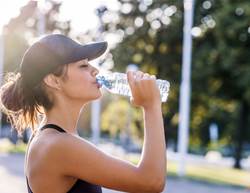
A 2012 study in obesity suggests that drinking water can help promote weight loss by lowering calorie intake and altering metabolism. Researchers believe it's because you're replacing sweetened, caloric beverages with water. They also believe that drinking water can help promote lipolysis, which is the break down of fats and other lipids.
Ramp up your protein intake
Your body needs protein to maintain lean muscle. Add a serving, like 85 grams of lean meat, two tablespoons of nuts, or 225g of low-fat yogurt, to every meal and snack. Just like fibre, protein keeps you satiated for a long period of time and curbs cravings for refined, processed foods, which tend to be calorie-dense.
Eat iron-rich foods
It's essential for carrying the oxygen your muscles need to burn fat, says Tammy Lakatos, co-author of Fire Up Your Metabolism. Until menopause, women lose iron each month through menstruation. Unless you restock your stores, you run the risk of low energy and a sagging metabolism. Shellfish, lean meats, beans, fortified cereals, and spinach are excellent sources. Check out this list of foods with more iron than beef.
Get more vitamin D
This vitamin is essential for preserving metabolism-revving muscle tissue. Get 90 percent of your recommended daily value (400 IU) in a 100g serving of salmon. Other good sources: tuna, tofu, fortified milk and cereal, and eggs.
Limit alcohol
When you have a drink, you burn less fat, and more slowly than usual because the alcohol is used as fuel instead, especially drinks high in sugar. Go for these low-calorie alcoholic drinks at the next happy hour to keep your waistline in check. One of the biggest mistakes people make when drinking alcohol is portion sizes. Be sure to stick to one serving; for beer, it's 350 mls wine is 150mls, and spirits are 30-40mls. Avoid sugary mixers that add empty calories and sip slowly to fully savour your drink.
Eat more calcium-rich foods
"There's some evidence that calcium deficiency, which is common in many women, may slow metabolism," says Lakatos. Research shows that consuming calcium through dairy foods such as fat-free milk and low-fat yogurt may also reduce fat absorption from other foods.

 Newsletter