As a dietitian, I spend a lot of time helping people understand how what they eat shapes how they feel, including their energy, digestion, mood and overall wellbeing. At 46, those conversations have become more personal for me. I’m in the thick of perimenopause and, like a lot of women I work with, I’ve been paying closer attention to what’s on my plate and how it connects to what’s happening in my body, including hot flushes. So the question of whether diet can make them better or worse is one I take personally.
Hot flushes are very common. In fact, most women going through menopause have them at some point, according to the US National Institute on Aging. For many women, they ease over time, but some may experience them for years on end. In the long-running Study of Women’s Health Across the Nation, they lasted a median of about 7.4 years, which is a long time to feel uncomfortable. The good news is that you have more power over these temperature fluctuations than you might think, and your plate is one place to start.
While food won’t replace medical treatment, and the research is still growing, here’s what we know about how your diet may influence your hot flushes.
Foods and drinks that can make hot flushes worse
Spicy foods
Spicy foods are among the most commonly reported hot flush triggers, though the evidence comes largely from self-reported data rather than controlled clinical trials. A cross-sectional study found that frequent spicy food consumption was significantly associated with a higher likelihood of experiencing hot flushes, though it didn’t prove cause and effect. If you notice that spicy meals seem to bring on a flush, it’s reasonable to cut back and see if it helps. If they don’t bother you, there’s no need to avoid them.
Alcohol
Alcohol is another common trigger for some women. One review published in Maturitas specifically noted that avoiding triggers such as alcohol and spices may help reduce hot flush frequency as a lifestyle measure for mild symptoms. That said, the evidence here is observational, not from controlled trials. If you notice that a glass of wine tends to make night sweats worse for you, try avoiding it for a few weeks and paying attention to whether things improve. Alcohol can also interfere with sleep quality, which may make symptoms feel harder to manage overall.
Caffeine
A morning coffee is a must for many, but it may not be helping your hot flushes. One study of more than 1,800 women found that caffeine use was associated with more bothersome hot flushes and night sweats, specifically among postmenopausal women. Again, this study shows an association, not proof that caffeine causes hot flushes. If you love your morning coffee, try paying attention to how you feel after a second or third cup before you change anything.
High-sugar, highly processed foods
Lollies aren’t exactly off the hook – but they may not deserve all the blame, either, since some research suggests that overall eating patterns may matter more than any single food. A large prospective cohort study of Australian women found that a diet high in fat and sugar was associated with a higher risk of hot flushes and night sweats, while a Mediterranean-style diet was associated with a lower risk. This shows an association, not cause and effect. Still, it’s worth keeping in mind.
Eating habits that may ease hot flashes
Prioritizing plant foods, including soy
Soy contains isoflavones – plant compounds that act a little like a weak form of oestrogen, which could theoretically combat hot flushes and other menopause symptoms. But the evidence is honestly mixed. In one small randomised trial, women who ate a low-fat vegan diet that included half a cup of cooked soybeans each day reported fewer and less severe hot flushes than women who didn’t change their diet. However, the Menopause Society’s 2023 review of non-hormone treatments concluded that the overall research on soy foods and supplements is too inconsistent to recommend them for hot flushes.
Here’s what I tell clients: soy foods like edamame, tofu and tempeh are nutritious, protein-rich choices for most people. If you enjoy them, adding them to your meals is a reasonable experiment. Just keep your expectations realistic.
Adopting a whole-foods approach
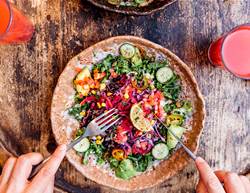
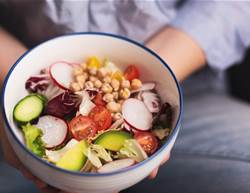
A Mediterranean-style eating pattern includes vegetables, fruit, beans, wholegrains, nuts, olive oil and fish. Research has found this pattern to be associated with a lower risk of hot flushes and night sweats compared with diets high in fat and sugar. Beyond that potential link, this pattern also supports heart health, which becomes more important after menopause. That alone makes it a smart long-term choice.
Staying cool and hydrated
No strong research shows that drinking more water prevents hot flushes. Even so, keeping a cold glass of water nearby may help you feel more comfortable when one hits. It also helps replace fluid you lose to night sweats. Simple comfort strategies are worth something.
The bottom line
Food isn’t a cure for hot flushes, and no single meal plan will make them disappear. But what you eat may still play a meaningful role. The research is still growing, and much of it shows associations rather than proof of cause and effect. Still, a few patterns keep showing up: spicy foods, alcohol and caffeine may be triggers for some women, and an eating pattern built around vegetables, fruit, beans, wholegrains, nuts, olive oil and fish has been linked to fewer hot flushes and night sweats.
But remember that effective treatments exist, both hormonal and non-hormonal, and diet works best alongside them, not in place of them. So, if your symptoms are disrupting your sleep, work or daily life, talk to your doctor.
As I’m figuring this out alongside the women I work with, one meal and one hot flush at a time, here’s what I keep coming back to. Trying out these dietary tweaks is low risk and good for you anyway. Cutting back on alcohol, eating more plants or eating more soy foods can support your heart, your sleep and your overall health, whether or not your hot flushes ease. So start small. Pick one change, give it a few weeks and notice how you feel. This stage of life can last a while, but you aren’t powerless in it. Every thoughtful choice you make for your body is a step towards feeling more like yourself.

 Newsletter