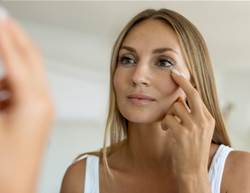
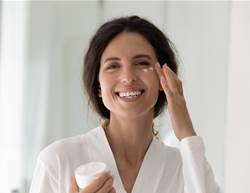
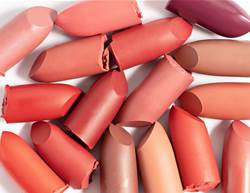
When skin changes with age, makeup routines often need to change too. A technique or formula that once worked well can start to sit differently on the skin, especially as dryness, texture and fine lines become more noticeable. One of the most common issues, according to makeup artist Laura Geller, is using too much powder.
In a video, Geller was asked what makeup mistake she sees most often with mature skin. Her answer was direct: “Too much powder.”
She explained that makeup choices should evolve with the skin’s changing needs. “I think as we get older, you need to change the formulas that you use. So you may be used to using something, but you need to meet your skin where the needs of your skin are at that moment.”
That advice reflects a wider truth about makeup over 50: application matters, but formula choice matters just as much.
Why powder can be tricky on mature skin
Powder is often used to reduce shine, set makeup and smooth the look of the skin. But on mature or dry skin, too much powder can do the opposite. It can cling to dry patches, settle into fine lines and make the complexion look flatter or more textured.
This does not mean powder must be avoided entirely. It means placement, amount and formula become more important. A light touch in areas that tend to crease or become shiny may help, while heavy all-over powder can leave skin looking dull or dry.
Geller’s point is not that one product category is always wrong. It is that skin needs shift over time and makeup routines should shift with them.
Formula changes that can help create a smoother finish
Geller recommends paying attention to dryness and texture when choosing products. “So if you’re very dry, if you have mature skin, maybe you have fine lines, maybe they’re deep lines, you may want to think about switching over to more hydrating and creamier products.”
Hydrating and cream-based formulas can help support a fresher-looking finish because they tend to move with the skin more naturally. They can also reduce the chalky or heavy look that sometimes happens when layered powder products build up.
For many people, this may mean rethinking the order of products too, starting with skin prep and using lighter layers through the rest of the routine.
Start with skin prep, not coverage
One of Geller’s most repeated tips for mature skin is to prioritise prep. She has previously emphasised the importance of using a hydrating primer before makeup to help create a smoother base.
“I always say—primer, primer, primer!” Geller emphasized. “It’s essential for keeping your foundation from separating or settling into fine lines or wrinkles.”
This step can help improve how complexion products sit on the skin and how long they wear throughout the day. It can also reduce the urge to keep adding more product later, which is often when makeup starts to look heavy.
Choose lighter, more flexible base products
Another approach Geller supports for mature skin is choosing lighter, hydrating complexion products instead of heavy, full-coverage formulas. She has recommended tinted moisturiser-style products for “light, everyday coverage” and a more hydrated finish.
Lighter base products can help even out skin tone without masking the skin completely. They also tend to be easier to blend, easier to touch up and less likely to collect around fine lines when compared with thicker formulas.
The goal is not to cover every line or mark. The goal is to create a finish that looks healthy, smooth and comfortable on the skin.
A better approach to makeup over 50
Geller’s advice points to a simple shift: stop treating makeup as a fixed routine and start treating it as something that should adapt with the skin.
That may include:
- using less powder
- choosing creamier, more hydrating formulas
- prepping the skin well before foundation
- building coverage in thin layers instead of applying a heavy base
These changes can help makeup look more natural and more flattering on mature skin, while still giving enough polish for everyday wear.
The bottom line
The most common mistake is not necessarily using the “wrong” makeup. It is using the same routine for too long without adjusting for changes in skin texture and moisture.
Geller’s advice is a useful reminder that a more radiant finish often comes from lighter layers, better hydration and formulas that work with mature skin rather than against it.

 Newsletter


_(18).jpg&h=90&w=90&c=1&s=1)
_(11).jpg&h=90&w=90&c=1&s=1)