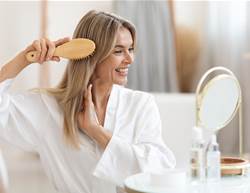
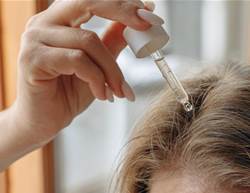
If you’re dealing with a dry, itchy scalp, stubborn flakes, or hair that snaps the second you brush it, hair oiling can feel like the missing step. It sits at the intersection of scalp care and self-care: a few minutes of massage, a bit of slip and shine, and hair that feels calmer afterwards.
Hair oiling comes from Ayurvedic tradition and has been used for generations as a way to support hair and scalp health. It is “designed to enhance hair health while grounding and supporting the body and mind,” says integrative lifestyle physician Dr Monisha Bhanote.
Hair pros say most people can work it into their routine, as long as they match the method to their scalp and hair type. “Hair oiling has tons of perks for your hair and scalp,” says hairstylist Mahogany Grace. “Using oils shields against heat damage, boosts strength, keeps it hydrated, fights frizz, and promotes growth.”
Below, experts break down what hair oiling can realistically do, how to do it without triggering greasiness or irritation, and when it’s smarter to skip it.
Can hair oiling help with hair growth?
The research is not conclusive that oiling directly causes hair growth. What it can do is support the conditions that help hair look thicker and grow longer over time, largely by reducing breakage and improving scalp comfort.
Oils can help protect strands from everyday wear and tear. Some research suggests certain oils can penetrate the hair shaft, reduce water absorption and swelling, and help prevent the cycle of swelling and drying that contributes to damage. In real life, that can look like fewer snapped ends, less frizz and better “length retention” so hair appears to grow more easily.
Massage can also help. “Adding gentle massage not only helps distribute the oil to your follicles to nourish them, but it can also help to improve circulation and blood flow as well,” says board-certified dermatologist Dr Janiene Luke. A small 2016 study linked scalp massage with changes associated with improved thickness, although results will vary.
“Regularly oiling the hair helps protect and nourish the hair strands at a cellular level, improving the resilience and integrity of the keratin protein that forms each strand,” Dr Bhanote adds. She notes that some oils used in Ayurvedic practice contain antioxidants that may help hair look smoother and shinier.
Hair oiling benefits
Hair oiling sits in that sweet spot between “nice ritual” and “actually helpful”. Done well, it can make hair look glossier, feel softer and behave better between washes. Here are the benefits experts say you’re most likely to notice.
Add smoothness and shine
“Hair oiling can help reduce frizz and add shine,” because many oils “coat hair strands and seal in the cuticle,” helping to lock in moisture, explains dermatologist Dr Janiene Luke. She notes this can be especially helpful for curly hair, which often runs drier than straighter textures.
Supports overall scalp comfort
A well-chosen scalp oil can help with tightness and dryness. Certain oils “reduce dryness, itchiness, and flakiness,” says Grace. She adds that oils can nourish the scalp and hair follicles and support scalp health overall.
Coconut oil often comes up in dandruff conversations. Some studies suggest it may help, but it can also backfire for some people. Too much oil can create a scalp environment that encourages yeast overgrowth, depending on your scalp and hair type.
May support hair growth conditions
Hair oiling does not reliably “switch on” new growth, but it can help create a healthier environment for hair over time. “If using natural oils, the essential vitamins and minerals contained within can promote hair growth,” says salon owner Michelle Cleveland. The more realistic benefit is healthier scalp conditions and less breakage, which helps hair look fuller and grow longer over time.
Helps prevent breakage
Oils can improve slip and reduce friction, which matters if your hair tangles or snaps easily. Cleveland says the nutrients in many natural oils can “strengthen the hair follicle as well as the entire hair shaft, preventing breakage.” Over time, that can mean fewer split ends and better length retention.
Protects against sun and heat
Oils can create a light protective coating on the hair. “Coating the surface of the hair can help protect it against the elements/environment [sun] as well as chemicals and heat,” says Dr Luke. Some research suggests almond oil’s fatty acids can help protect hair from sun-related damage.
How to oil hair
Experts generally recommend using oil as a pre-shampoo mask, rather than leaving it on as a styling product if you’re prone to build-up.
- Start with dry hair and pick your oil.
- Part hair into sections if you’re oiling the scalp.
- Apply in small amounts (more is not better).
Cleveland suggests applying oil directly to the scalp in one-inch sections: “Once each section is made, you can apply oil straight down the part line and massage it in with the pads of your fingertips,” she explains. Then keep massaging and “work any excess oil down the hair strands to the ends.” She suggests leaving it on for about three hours before shampooing, but if that’s not realistic, Dr Luke says 30 minutes can still work well.
If breakage is your main issue, Grace suggests concentrating oil on the mid-lengths and ends (rather than the scalp) and using protective styles like twists or braids if your texture suits it.
Who should avoid hair oiling?
Hair oiling is not a universal win. For some scalps, it can make symptoms worse, especially if there is already inflammation or a yeast imbalance.
If you have dandruff or seborrhoeic dermatitis, tread carefully. “Those with dandruff or seborrheic dermatitis may want to tread carefully with hair oiling, as some oils may encourage yeast to thrive,” explains dermatologist Dr Janiene Luke. If flakes, itch or redness flare after oiling, stop and reassess.
If you have very fine hair, oil can feel heavy fast. Dr Luke notes that “those with fine hair may find that hair oiling weighs their hair down too much, or may not like their hair to feel oily.” If oiling still appeals, go lighter, use less and wash it out sooner.
If you react easily to products, oils can trigger irritation in some people. Patch test first: apply a small amount to a small patch of skin and wait to see how it reacts before using it across the scalp.
Types of hair oils
The “best” oil depends on what you want: scalp comfort, less frizz, less breakage, more shine or better growth conditions. Hairstylist Mahogany Grace suggests choosing oils suited to your hair type, or mixing oils to get the result you want.
Jojoba oil
Often recommended for scalp-focused oiling because it resembles natural scalp sebum. Grace recommends it for scalp health. Dr Luke adds that jojoba contains a high concentration of vitamin E, an antioxidant that helps protect skin and hair from oxidative damage.
Coconut oil
Best suited to thicker hair types for many people. Grace recommends it for thicker hair. Dr Luke explains that coconut oil contains lauric acid, which can penetrate the hair shaft and has been shown to decrease protein loss and improve hair shaft strength. It also coats strands, seals the cuticle and helps reduce frizz and boost shine. If you are dandruff-prone, keep an eye on how your scalp responds, as heavy oiling can worsen flaking for some.
Argan oil
A popular pick for dry hair and dull ends. Grace recommends it for dryness. Dr Luke notes it contains fatty acids and compounds such as squalene that can add moisture, plus vitamin E for antioxidant support.
Sesame oil
A moisture-supporting oil with a high level of fatty acids, including linoleic and oleic acids. Dr Luke notes these are useful for adding moisture.
Rosemary oil
Often used when the goal is hair growth support. Dr Luke recommends it for hair growth because it may help stimulate follicles and strengthen hair. Some recent studies suggest it may improve density and growth. It is typically used diluted rather than straight.
Castor oil
A thicker oil that can feel heavy on fine hair but can suit very dry scalps and strands. Cleveland and Dr Luke note it can help soothe, hydrate and nourish the scalp.
Amla oil
An Ayurvedic favourite. “Rich in vitamin C and potent antioxidants, amla oil strengthens hair roots and rejuvenates follicular cells, reducing oxidative stress and improving hair shine,” explains Dr Monisha Bhanote.
How often should I oil my hair for growth?
Hair oiling can support growth conditions (less breakage, calmer scalp, better moisture balance) but more is not always better. Frequency should match your scalp, not your wish list.
Grace puts it simply: “It really comes down to what’s up with your scalp. If you’re battling dryness and flakes, go for a weekly session. If you’re just doing regular scalp TLC, two to three times a month should do the trick.”
If your scalp is dry, tight or flaky, do once a week as a pre-shampoo treatment.
If your scalp is mostly normal and you want “maintenance oiling”, do 2 to 3 times a month.
If your scalp gets oily quickly or your hair looks flat fast, do it every 2 to 4 weeks, or keep oiling to mid-lengths to ends only. Use a lighter oil and wash out sooner.
To make it “growth-friendly”, keep it pre-wash, not a leave-in scalp habit, massage gently (no aggressive scratching), and patch test if it’s a new oil, especially essential oils. If flakes or itch get worse after oiling, pull back or stop and reassess (some scalps do not love oil)

 Newsletter
_(1).jpg&h=90&w=90&c=1&s=1)


_(1).png&h=90&w=90&c=1&s=1)