At this point in life, it’s clear that food choices shape overall health and that includes vaginal health. No single food targets the vagina alone, but certain nutrients can support whole-body wellbeing while also helping keep things comfortable below the belt.
“Balance in life and balance in the vagina go hand-in-hand,” says obstetrician and gynaecologist Dr Sherry Ross. “Eating a colourful and well-balanced diet helps to support a healthy vaginal microbiome or community of healthy bacteria, that helps prevent infections, while maintaining a healthy pH balance.”
Nutrition can also influence hormones and immune function, which can affect vaginal health, explains ob-gyn Dr Jessica Shepherd. Integrative and functional nutritionist Katherine Albarico agrees. “A well-nourished body tends to maintain a healthier vaginal microenvironment,” she says. On the flip side, nutritional gaps and a heavily processed diet can be linked with recurrent vaginal infections and discomfort, Albarico adds.
The best vitamins for vaginal health
Experts emphasise that a balanced diet supports vaginal health overall. Some nutrients may offer extra support, so these are worth prioritising.
Probiotic-rich foods
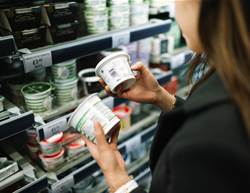
Foods such as yoghurt, sauerkraut, kimchi, pickles, kombucha, buttermilk, tempeh, miso and kefir can help support the balance of healthy bacteria in the body. “These are probiotic rich foods that help support and maintain a vaginal microbiome, minimising the risk of infections,” Dr Ross says. “Probiotic-rich foods have high levels of Lactobacillus strains that can protect the vagina from infections.”
Polyphenols
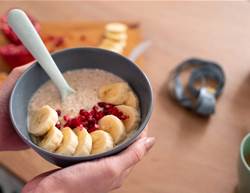
Antioxidant-rich foods can help reduce oxidative stress, which may affect the epithelium, the thin tissue lining the vagina. Polyphenols are a group of antioxidants found in foods such as berries, citrus fruit and green tea. Dr Shepherd says these compounds may have antimicrobial effects linked with bacterial vaginosis and yeast, while also supporting tissue repair and immune function.
Fibre
Fibre supports overall health and it may also support vaginal health through its effects on the microbiome. “High fibre foods, including raspberries, apples, broccoli, sweet potatoes, artichokes, beans, peas, lentils, almonds, chia seed and whole grains have been shown to support a healthy vagina and microbiome by encouraging the growth of Lactobacillus,” Dr Ross says.
Low-glycemic foods
Some research suggests eating more low glycaemic foods may help lower the risk of bacterial vaginosis. These foods raise blood glucose more slowly and tend to support steadier energy and a lower-inflammatory eating pattern. Examples include apples, grapefruit, grapes, peanuts and cabbage.
Dr Ross says these foods “raise your blood sugar slowly, which minimises inflammation and supports a strong immune system that helps keeps a balanced pH balance in the vagina.” She adds that low glycaemic choices may also support vaginal health and lower infection risk.
Vitamin D
Dr Ross calls vitamin D a “super vitamin” for vaginal health. “It strengthens the immune system, promotes vaginal tissue integrity and protects the vagina from infection, while maintaining a healthy pH balance,” she says.
Vitamin E
Vitamin E has antioxidant and anti-inflammatory properties, Dr Ross explains. “It helps with moisturising, lubricating and repairing vaginal tissue,” she says. “Its soothing qualities help minimise inflammation and infection while supporting the tissue elasticity of the vagina and a healthy pH balance.”
What vitamins and nutrients are good for pH balance?
Maintaining a healthy pH balance is a key part of vaginal health. “The vagina is normally acidic, which protects it from infections and inflammation,” Dr Ross says. “An acidic pH between 3.8 and 4.5 is the ideal environment for the vagina.” Many factors influence vaginal pH, but certain vitamins and nutrients may help support that balance.
“The best vitamins and nutrients to support a healthy vagina include zinc, vitamins C, D, E and B vitamins,” Dr Ross says. “Omega-3 fatty acids, probiotics and eating a balanced and colourful plant-based diet are simple lifestyle strategies that help support a healthy pH balance of the vagina.”
Albarico recommends paying attention to the following pH-supportive nutrients.
Magnesium
“Magnesium helps stabilise acid–base balance,” Albarico says. Leafy greens, seeds, almonds and dairy are among the foods that can lift magnesium intake.
Zinc
“Zinc supports the proliferation of Lactobacillus species and may act as a buffer against pH shifts associated with bacterial vaginosis,” Albarico says. “Zinc is important for immune regulation, wound healing and enzyme activity in vaginal mucosa.” She suggests options such as pumpkin seeds, red meat, legumes and oysters to boost zinc through food.
B- Vitamins
“These are crucial for energy metabolism and mucosal repair,” Albarico says. “Sufficiency and adequate levels ensure healthy cell turnover in vaginal lining, limiting pH disruptions.” Whole grains, eggs, legumes, nutritional yeast and meat can all help lift B vitamin intake
Selenium
“Selenium is an antioxidant that protects cells from oxidative stress and supports thyroid function, which indirectly affects oestrogen balance,” Albarico says. “It also helps reduce oxidative disruption of the vaginal flora, indirectly maintaining acidic pH.” Brazil nuts, fish, eggs and whole grains are all good sources.
Foods and vitamins that are bad for your vagina
Some foods and patterns of eating can make it harder to maintain a healthy vaginal environment. “I think of the vaginal flora as a constant bacteria battle between good and evil,” says oby-gyn Dr Meleen Chuang. “Having a healthy diet helps support the good bacteria proliferation.”
She notes that the following can work against vaginal health when eaten in excess:
- Foods that contain excessive sugar
- High glycaemic foods such as white bread, rice, pasta and many cereals
- Foods high in saturated fat
“These may disturb the balance of bacteria in the vagina, potentially raising pH, reducing beneficial bacteria and making infections more likely,” Dr Chuang says.
Anyone concerned about how diet may be affecting vaginal health should check in with a healthcare provider. Diet is only one part of the picture, but it is an area where small changes can make a difference. A healthcare provider can offer personalised guidance based on symptoms, history and overall health.

 Newsletter