If you’ve noticed new ridges running up or across your nails, it can feel oddly confronting. Most of the time, nail ridges are harmless and common. Sometimes they point to irritation, injury or a health issue worth checking.
“The most common reason that people have vertical ridges on their fingernails is normal aging, which is a normal physiologic process,” says dermatologist and nail specialist Dr Shari Lipner. “When lines in the nails are horizontal, they are actually grooves (indentations), not ridges. If the groove involves one nail, it is likely from local trauma. If it involves multiple nails, they are called Beau’s lines, which is from a temporary halt in nail growth. Beau’s lines can form from a severe systemic illness, a viral disease, such as Hand, Foot and Mouth Disease, or chemotherapy.”
Below, dermatologists explain what the different ridge patterns usually mean, when to worry and what helps your nails look and feel healthier.
Types of fingernail ridges
Most fingernail ridges fall into two buckets: vertical ridges and horizontal grooves.
Vertical fingernail ridges
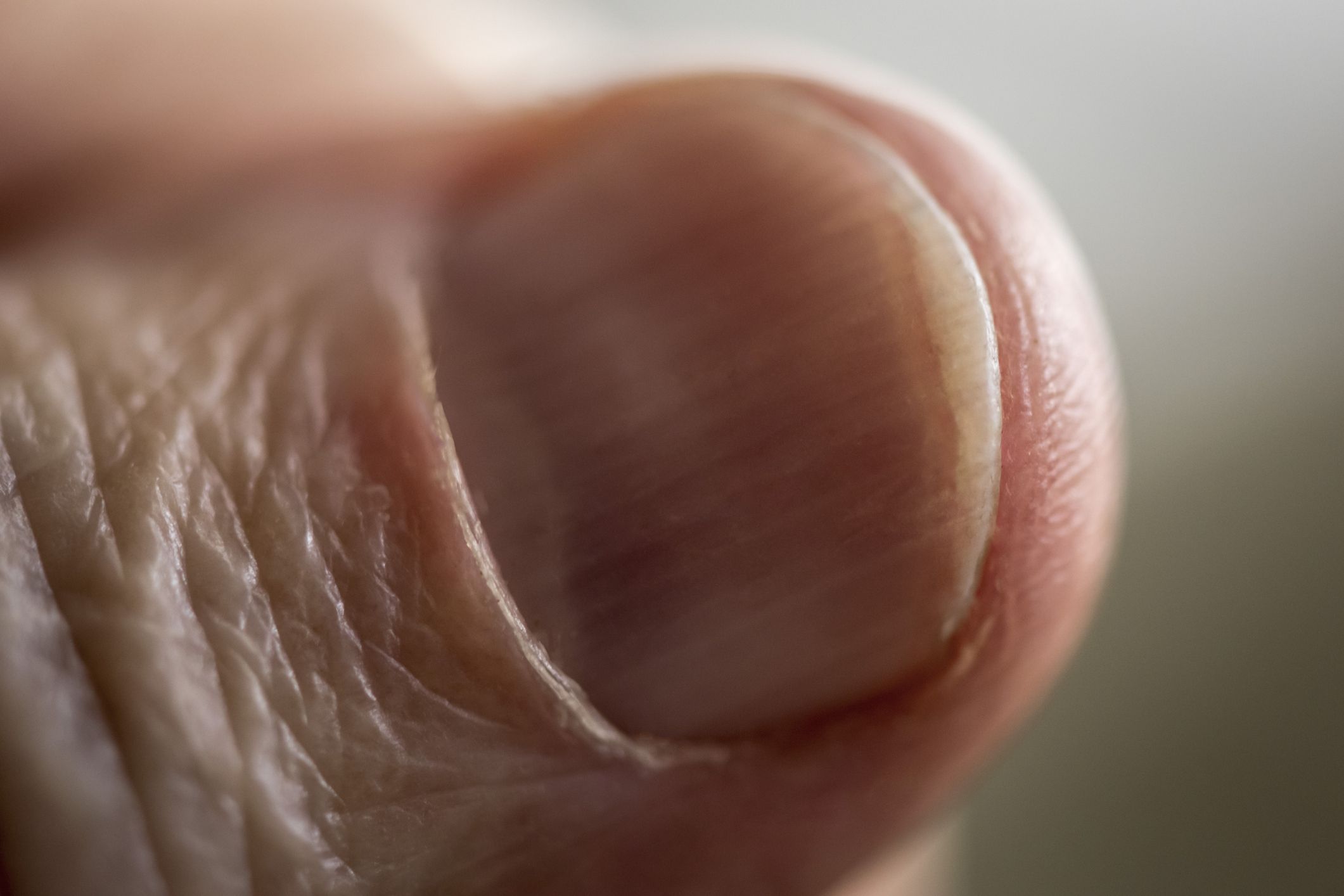
Vertical ridges run from the cuticle to the tip of the nail. Dermatologists see them all the time and they often show up more as you get older. Board-certified dermatologist Dr Tsippora Shainhouse, says vertical ridges are a common and normal change.
Vertical ridges can look more pronounced when nails run dry or brittle. Frequent handwashing, harsh soaps, acetone removers, cold weather and menopause-related dryness can all make nails look more lined.
Horizontal fingernail ridges
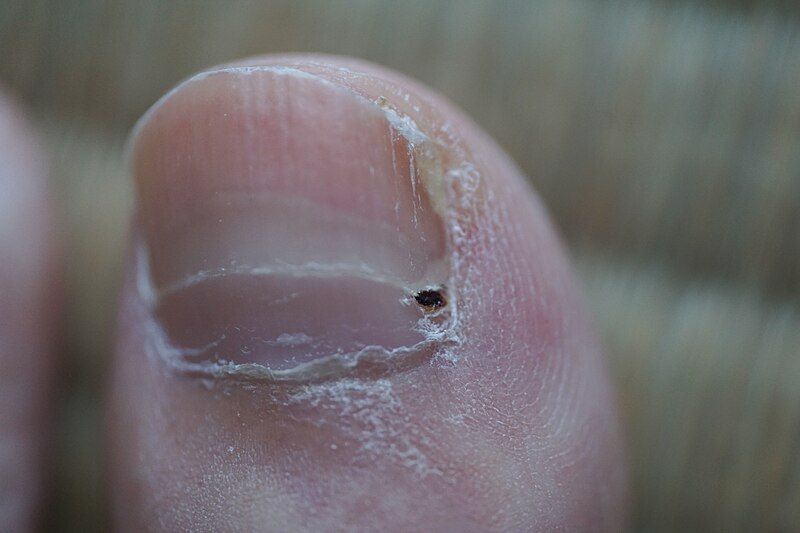
Horizontal lines that run side to side are usually grooves, not raised ridges. They are known as Beau’s lines when they appear across multiple nails.
“When horizontal ridges occur in a single nail, it’s usually due to trauma to the nail matrix (the area where your fingernails start to grow),” says Dr Shainhouse. Think picking at nails, pushing cuticles back too hard, gel removal that damages the nail plate or catching a finger in a door. The nail keeps growing, but the temporary disruption shows up as a dent that grows out over time.
If you see horizontal grooves across several nails, it can signal that nail growth slowed or paused for a period. Illness, high fever, certain viral infections and some medical treatments can trigger this. If you cannot link the timing to something obvious, it’s worth raising at your next GP visit, especially if you also feel unwell.
What causes ridges on fingernails
Most nail ridges are harmless and come down to either normal ageing, day-to-day wear or a temporary disruption in how the nail grows. The pattern matters, though, because different ridge types tend to point to different causes.
Board-certified dermatologist Dr Karan Lal says ridges can show up for plenty of reasons and in most cases they are benign.
Causes of horizontal ridges on fingernails
Horizontal grooves across the nail are often called Beau’s lines. Dr Lal says they can happen when the body goes through a significant stressor and nail growth temporarily slows or stops. Common triggers include severe viral infections, fever and periods of high stress. They can also show up with certain medical conditions, including kidney disease and thyroid disease.
Dr Lal adds that nutrient deficiencies can play a role too, especially low iron, zinc or vitamin A. If you notice a new groove across several nails and you cannot link it to a recent illness, it is worth raising with your GP, particularly if you also feel unusually tired, unwell or run down.
If the groove appears in one nail only, local trauma tends to be the more likely explanation. Acrylics, aggressive filing, cuticle picking, nail biting and knocks to the nail matrix can all create a dent that grows out over time.
Causes of vertical ridges on fingernails
Vertical ridges run from cuticle to tip and often become more noticeable with age. Dr Lal notes that dehydration can make them stand out, along with inflammatory skin conditions such as eczema or psoriasis. Autoimmune conditions can also contribute, including alopecia areata.
As with horizontal ridges, Dr Lal says nutrient deficiencies and thyroid disease may show up in nail changes. If ridges arrive alongside other symptoms, such as hair loss, fatigue, weight changes or feeling unusually cold or wired, a medical check is a sensible next step.
Causes of white lines on fingernails
White lines or spots are known as leukonychia. Dr Lal says they can be linked to illness, skin disease such as psoriasis or medication, but the most common cause is minor trauma. That can be as simple as nail biting, manicures or hitting the nail against something hard. The mark often appears weeks later because it forms at the nail matrix and grows out with the nail.
How to prevent ridges on fingernails
You cannot prevent every ridge, especially when an underlying condition is involved, but you can cut down on the damage that makes ridges look worse.
Dr Lal’s biggest advice is to avoid aggressive salon habits. “Some people go to salons and get their nails drilled and sanded, and I don’t recommend doing that because if you have brittle nails they can actually make your nails thinner which can make them easier to crack,” he says.
Daily nail care helps too. Keep nails shorter if they snag easily, moisturise hands and cuticles, wear gloves for cleaning and skip harsh acetone removers when possible. Dr Lal also says a clear nail hardener may help strengthen the nail, smooth the surface and reduce damage.
How to get rid of ridges on fingernails
Most nail ridges need two things: less damage, more moisture. You cannot erase a ridge that is already growing out from the nail matrix overnight, but you can make ridging look softer, stop it from getting worse and help new nail grow in smoother.
1. Moisturise nails and cuticles like skincare
“Keeping your nails hydrated with a hand cream or oil can minimise the appearance of ridging and protect the keratin of the nail,” says dermatologist Dr Donna Hart. Moisture matters because nails behave like sponges. They swell with water, then shrink as they dry, which can weaken the nail plate over time. Make moisturising part of the routine after handwashing and before bed.
If nails are brittle, moisturising nails and cuticles thoroughly at night. Light cotton gloves can help lock it in while you sleep.
2. Keep nails short and tidy
Shorter nails snag less, which reduces micro-trauma that can deepen ridges. Dermatologist Dr Richard Torbeck, recommends trimming only when you can see white at the tip. “This allows time for the nail to grow and heal between clippings,” he says. Cut straight across, then soften the corners with a fine file to stop splitting.
3. Stop picking and biting
Nails and surrounding skin can thicken and deform in response to repeated irritation. “By not picking at your nails or the skin around them, you’re decreasing the chances of causing nail irregularities,” says dermatologist Dr Noelani González. If picking is stress-driven, identify the trigger and swap in a replacement habit, like cuticle oil or a fidget, to break the loop.
4. Buff gently, not often
Buffing can hide ridges temporarily, but it can also thin the nail plate. “Be very judicious with your use of nail buffers, as these thin the nail plate out, which can make them softer, too flexible, and prone to trauma and breakage,” says Tsippora Shainhouse, M.D., a dermatologist. If you buff, do it lightly and no more than once a month. Always buff in one direction.
5. Leave your cuticles alone
Cuticles protect the nail matrix and act as a barrier against infection. “The cuticle is the only barrier the fingers have to keep dirt and infections out of the tissues of the fingers,” says Dr Shainhouse. Pushing them back aggressively can irritate the matrix and lock in a ridge pattern until that section grows out. Use cuticle oil for conditioning instead of cutting or scraping.
6. Reduce water exposure and harsh removers
Frequent handwashing and long soaks strip natural oils and can trigger dryness and even hand eczema, which may affect nails, says Dr González. Dr Hart adds that repeated wet-dry cycles weaken nail cell bonds. Wear gloves for dishes and cleaning when you can, moisturise after washing and avoid acetone-heavy removers if your nails are already dry.
7. Check the basics: diet and hydration
Ridges can sometimes reflect broader health issues or nutrient gaps. Dr Hart notes it is uncommon, but possible, that ridging signals an underlying systemic condition or deficiency. Focus on a balanced diet, adequate hydration and enough protein and healthy fats to support nail structure.
If ridges arrive suddenly across several nails, or you also have fatigue, hair loss, skin changes or weight shifts, check in with a GP to rule out thyroid issues, iron deficiency or other causes.
8. Ask about prescription nail strengtheners if nails keep splitting
If ridges come with peeling, splitting or frequent breaks, a dermatologist can prescribe a topical nail strengthener. Dermatologist Dr Amanda Zubek, notes some over-the-counter hardeners rely on ingredients that can make nails more brittle over time. Prescription options aim to strengthen while supporting moisture.
9. Use a ridge filler under polish
Regular polish can highlight ridges. Dr Shainhouse says ridge fillers can help smooth the surface before colour goes on by filling tiny grooves, which makes the finish look more even.
10. Choose lower-damage manicures
Dr Zubek says acrylic and gel services often require surface abrasion for adhesion, which can damage the nail plate and contribute to ridging. If you get your nails done, consider simpler polish applications and gentler removal methods.
11. Give nails a break when they look tired
“In manicuring, the nails are exposed to prolonged water exposure,” says Dr Zubek. Repeated cycles plus remover can dehydrate the nail and weaken its structure. If nails feel thin, dry or bendy, take a three to four week break to let healthier nail grow out.
12. Consider biotin with care
Dr Shainhouse notes biotin has mixed evidence for nails, but some people report stronger nails. If you take it, remember biotin can interfere with certain lab tests, so stop supplements before bloodwork and tell your doctor.
Dietary supplements are products intended to supplement the diet. They are not medicines and are not intended to treat, diagnose, mitigate, prevent or cure diseases. Be cautious about taking dietary supplements if you are pregnant or nursing. Also, be careful about giving supplements to a child, unless recommended by their healthcare provider.
How to diagnose the cause of ridges in fingernails
Most nail ridges are harmless and grow out with time, but sudden changes, multiple affected nails or splitting can justify a quick check. Here’s what diagnosis usually looks like in a dermatology appointment.
A dermatologist starts with a close look at your nails, then widens the view to your skin and scalp. The goal is to spot clues that point to a skin condition known to affect nails.
“We look for signs of disease. We’re going to look over the skin to look for signs of psoriasis which can be associated with nail changes, so that’s a quick, easy clinical finding,” says Dr Lal.
If your doctor sees patterns that suggest something systemic, they may refer you to another specialist (such as an endocrinologist for thyroid concerns) or move straight to blood tests.
Bloodwork helps rule out common internal contributors to nail changes, especially when ridging is new, widespread or paired with other symptoms like fatigue, hair shedding or weight shifts.
Dr Lal says your doctor may request:
- Complete blood count (CBC) - Often used to screen for anaemia and clues to nutrient shortfalls that can affect nail growth.
- Comprehensive metabolic panel (CMP) - Used to check liver and kidney function, since issues with either can show up as skin and nail changes.
- Iron panel - Iron deficiency can affect nail quality and may contribute to ridging, brittleness and splitting.
- Thyroid panel - Thyroid disease can affect nails, skin and hair. Testing may be recommended depending on your symptoms and overall history.
Your clinician may add other tests based on your risk factors, medications and what they see on examination.
When to see your doctor about fingernail ridges
Vertical ridges that develop gradually often come with normal ageing and do not need treatment. It is worth booking a check if ridges show up suddenly, worsen quickly or come with other changes.
“If the condition is sudden in onset or causes splitting of the nail at the free edge, it would be beneficial to see your doctor,” says Dr Zubek. She adds that a GP can screen for internal causes or refer you to a dermatologist to assess skin-related triggers.
Dr González recommends a medical review if you notice a new change in colour or texture, especially a dark streak or patch (brown or black) or a new surface change that does not settle. Those changes can have benign causes, but they deserve a proper assessment for peace of mind and early treatment if needed.

 Newsletter