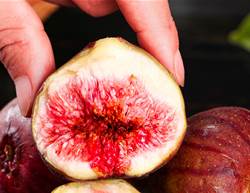
Fruit has become a surprisingly divisive topic in weight loss conversations. Some eating plans suggest avoiding it, while others say to keep it to the occasional serve. But dietitians say fruit is getting unfairly blamed.
“I’m not sure why and when fruit got a bad rap, but fruit is definitely part of a healthy diet and one that is focused on weight loss or weight management,” says registered dietitian Vanessa Rissetto. “If there’s a fruit you enjoy, you should have it,” agrees registered dietitian Jessica Cording.
Why fruit can support weight loss
Fruit can help with weight loss because it adds volume, fibre and nutrients without a lot of kilojoules compared with many ultra-processed snacks and desserts. It can also help people feel more satisfied, which can make it easier to stick with a healthier eating pattern.
Cording also suggests viewing fruit as a health food, not a punishment or a substitute for treats. That includes skipping the advice that fruit should replace dessert when you want something sweet. “A piece of fruit is never going to be candy or chocolate,” Cording points out.
Instead, she recommends finding realistic ways to include fruit across the day. “Fruit is a wonderful, nutrient-dense food that’s healthy, but it doesn’t have to be a replacement for sweets,” she says.
With that in mind, these are dietitian-backed fruits that can work well in a weight loss plan.
#1 Oranges
Citrus fruits such as oranges can be a helpful choice when you are trying to lose weight, says registered dietitian Sonya Angelone. Having excess weight is linked with inflammation, she notes. “Choose fruits that are rich in antioxidants, which are anti-inflammatory,” Angelone says.
Oranges also provide vitamin C and fibre, which can help with fullness.
#2 Avocados
Avocados are higher in kilojoules than many fruits, but they can also help you feel full, Angelone says. Some research has linked avocados with weight loss outcomes when included as part of a calorie-controlled eating plan, along with improvements in blood fats such as triglycerides.
#3 Kiwis
Kiwifruit is not always a go-to fruit for people, but several experts recommend it for weight loss. It provides vitamin C, vitamin K, folate and fibre, Cording says.
Research has also linked kiwifruit intake with improvements such as lowered blood pressure and reduced waist circumference in some groups.
“Kiwi is really great for weight loss,” Cording says. “It also has an enzyme called actinidin which is great for digestion.”
#4 Apples
Apples are a reliable high-fibre option. Fibre supports digestion and can help you feel fuller for longer, says registered dietitian Scott Keatley. “They are also relatively low in kilojoules and can be filling due to their high water content,” he says.
Cording suggests pairing apple slices with nut butter for a more satisfying snack.
#5 Pears
Like apples, pears offer fibre, water and a naturally sweet flavour. They can be filling without adding a lot of kilojoules, Keatley says. Cording adds that pears may help keep bowel movements regular due to their fructose and sorbitol content.
#6 Grapefruit
Grapefruit is low in kilojoules and high in water and fibre, Keatley says. It works well on its own or added to salads. “When eaten with greens, it can help unlock nutrients like iron,” he says.
#7 Pomegranate seeds
Pomegranate seeds add crunch, sweetness and colour, which can make healthy meals feel more appealing. They also provide fibre and vitamin C. Angelone suggests using them to lift salads and grain bowls.
#8 Strawberries
Strawberries are a strong option for weight loss because they offer fibre and vitamin C with relatively low kilojoules. They also work in a lot of everyday meals and snacks, mixed into yoghurt, added to salads or eaten with nuts.
#9 Blueberries
Blueberries provide fibre, vitamins and antioxidants. “High in fibre and low in kilojoules, blueberries can help you feel full longer,” Keatley says.
They are also easy to add to breakfast, smoothies or snacks without needing much prep.
#10 Watermelon
Watermelon has a high water content, which can help with hydration and fullness, Cording says. It also provides vitamin C and is relatively low in kilojoules per serve.
It can work as a snack on its own or paired with nuts, added to salads or served alongside lean protein.
#11 Raspberries
Raspberries are one of the highest-fibre berries. “Some of the most nutrient-dense fruits I recommend are berries,” Cording says. “They have tons of antioxidants and are great sources of fibre.”
They work well in sweet snacks and also pair surprisingly well with savoury foods.
#12 Peaches
Peaches can feel more satisfying than people expect because they are water-rich and naturally sweet, Cording says. “Because they‘re quite water-rich, they‘re relatively low in kilojoules, especially when you choose a smaller size,” she says.
She also notes that variety matters for long-term success. “There‘s also something to be said for the novelty factor, making simple, summer dishes feel more satisfying. This is key for making healthy eating to support long term weight management feel sustainable.”
#13 Plums
Plums are water-rich and naturally sweet, with fibre that can support fullness, says dietitian Keri Gans. “They’re a naturally sweet option that adds nutrients and volume to a snack or meal without adding too many kilojoules,” she says.
#14 Papaya
Papaya is low in kilojoules, high in vitamin C and offers fibre, Gans says. “It’s hydrating and refreshing, and it can naturally sweeten meals while helping you feel full,” she says. Cording adds that it is a high-volume fruit, which can make it more filling than it looks.
What to be aware of with fruits for weight loss
Most people do not eat enough fruit and vegetables, Cording says. But adding more fruit does not automatically mean you will feel fuller, especially if fruit becomes a stand-alone snack.
Satiety matters for weight loss because it can make eating patterns easier to stick to. “A really important part of weight loss is satiety, or feeling full,” Cording says. “It helps you to reduce compulsive snacking—that can make it harder to sustain a weight loss plan.”
Some fruits may keep you fuller than others, but many will not do much on their own. “Ideally, you want to consume the fruit with a protein and/or a fat,” Cording says. “That helps buffer the breakdown of the carbohydrates in the fruit so you feel fuller longer.”
Cording adds that “no fruit needs to be excluded” for weight loss. But high-fibre options can offer more staying power. You will likely get the most mileage from fruits such as berries, apples and pears.
How to get more fruit in your diet
Guidelines often recommend around two serves of fruit a day for adults, but the main goal is consistency, not perfection.
“It’s important to choose fruit that you actually like,” Cording says. “That’s a mistake I see a lot of people make. They eat it because they hear it’s healthy, but they don’t actually enjoy it.”
A few practical ways to make fruit easier to keep on hand:
- use frozen fruit when fresh is expensive or out of season
- add fruit to meals, not just snacks
- pair fruit with protein or healthy fats for better staying power
“Berries get expensive in the offseason, so maybe you purchase the frozen variety—you’re still getting all those vitamins, antioxidants, and fibre,” she says.
Cording also suggests building fruit into foods you already eat. “Maybe you add fruit to a salad or, if you’re making a peanut butter and jelly sandwich, put sliced strawberries or bananas in there,” she says. “Find ways to incorporate it so that it will be approachable.”
How much fruit is too much?
It depends on the person, their health needs and how fruit fits into the rest of their eating pattern.
“This can vary a lot from person to person, depending on your needs,” Cording says. For many people, two to four serves a day can work well when fruit sits inside balanced meals and snacks. “This allows you to reap the benefits without crowding out other important nutrients or overdoing it,” she says.
If fruit intake climbs but protein and fats drop, Cording says it may start to backfire. You might notice you do not feel satisfied after eating. “Gastrointestinal upset can sometimes occur as well,” she adds.
For most people, though, the bigger issue is not eating too much fruit, but too little, Gans points out. “The Dietary Guidelines recommend two to four servings per day, and many people don’t meet that recommendation,” she says.
If you plan to increase fruit intake quickly and you are not used to the fibre, Gans suggests taking it slowly. “So, do it gradually,” she says.
Can eating more fruit alone help you lose weight?
It depends on what changes alongside it. If fruit replaces foods that are higher in kilojoules and lower in nutrients, that swap may support weight loss over time, Cording says. But simply adding extra fruit on top of your usual intake is unlikely to lead to significant weight loss.
“Fruit provides vitamins, minerals, and antioxidants, but there is really very low protein or fat in fruit,” Cording says. “It’s not enough to provide your body what it needs to feel full for a significant period of time. It’s hard to feel satisfied if you’re eating fruit by itself.”
This is where pairing matters. Fruit can be a satisfying part of a weight loss plan, but it tends to work best when it is eaten as part of a balanced snack or meal.
Where do vegetables fit in?
Some health professionals suggest prioritising vegetables over fruit for weight loss. “They tend to be supportive due to the fact that they offer a lot of important vitamins, minerals and antioxidants—and, in many cases, fibre—but less naturally-occurring sugar compared to fruit,” Cording says. “They tend to be more filling for comparatively fewer kilojoules, making them helpful for weight loss.”
That does not mean fruit needs strict limits. Gans says people do not need to cut back on fruit or vegetables. “Both support a healthy eating pattern,” she says.

 Newsletter
_(11).jpg&h=90&w=90&c=1&s=1)


_(12).jpg&h=90&w=90&c=1&s=1)