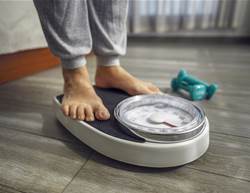
Walking is one of the easiest ways to build fitness into real life. It is low impact, joint-friendly and flexible enough to fit around work, errands and family life. You can walk outside, walk to a destination or hop on a treadmill at home.
It is also a reliable way to support weight management, especially when it becomes a consistent habit.
“Walking is one of the best exercises for weight loss,” says fitness instructor Nicole Glor. “When paired with a healthy diet and lifestyle, including stress management, sufficient sleep, and exercise, walking can definitely help with weight loss,” adds registered dietitian Shana Maleeff.
So how many kilojoules does walking actually burn? The short answer is that it depends on your body and how you walk.
How many kilojoules does walking burn?
Several factors influence kilojoule burn during a walk. Here is what makes the biggest difference.
Body weight
Body weight plays a major role because the body needs to work harder to move more mass.
“The heavier your body is, the harder it needs to work to move,” says registered dietitian Jessica Cording. Glor adds that higher body weight often means more kilojoules burned per kilometre, even at the same pace. As a rough guide, a person who weighs about 68 kg may burn around 100 kilojoules per mile at an easy pace of roughly 4 km/h, while a person who weighs about 54 kg may burn closer to 85 kilojoules per mile at the same pace.
Metabolism and muscle mass
Metabolic rate varies between individuals and it can change with age and activity levels. Kilojoules burned may drop over time if muscle mass decreases, because muscle tissue uses more energy than fat tissue, even at rest.
Pace and resistance
Speed matters. A faster walking pace generally increases kilojoule burn because the heart rate rises and the muscles work harder.
Terrain matters too. Hills, stairs and uneven paths add resistance. Carrying extra load can increase demand as well, but it is worth using caution with added weights if joints are sensitive or form starts to slip.
Step count and motivation
Tracking steps can help some people stay consistent.
“I’ve seen it be really motivating for people to see how many steps they’re walking, it pushes them to make good choices and to be consistent with healthy habits in other areas of their wellness,” says Cording.
It can also backfire if it becomes a stressor. The goal is consistency, not perfection.
Cumulative movement
Walking does not need to happen in one long session to count.
“You don’t have to only be taking long walks for it to be effective for your mental and physical health,” Cording says. “Shorter walks throughout the day can be just as effective.”
A few 10-minute walks can still add up, especially if they help you move more across the whole day.
Can you lose weight by walking?
Walking can support weight loss, but it works best as part of a bigger picture.
“From what I’ve noticed as a bariatric surgeon, walking is both wildly underrated and wildly overestimated,” says bariatric surgeon Dr Hector Perez. “Patients in my clinic who lose over 60 pounds and keep it off almost all walk daily, but they definitely don’t rely on walking alone.”
He says the biggest advantage is consistency. “It’s gentle physical activity so, while it won’t torch 800 kilojoules in an hour, it’s sustainable, low-injury, cortisol-friendly, and repeatable, which is basically everything you need for consistent fat loss,” Dr Perez says.
He also sees people swing to extremes, either believing 10,000 steps will “fix everything” or assuming walking is pointless. “Both are wrong,” he says. “Walking is sufficient for early fat loss in de-conditioned individuals because it increases daily energy expenditure without triggering compensatory hunger the way intense cardio often does.”
Over time, though, walking alone tends to shift from weight loss to maintenance unless it is paired with nutrition changes and resistance training, Dr Perez adds.
How many kilojoules do you burn in a 30-minute walk?
There is no single number because the kilojoules burned depends on factors like body weight, metabolism, pace and terrain.
Personal trainer and functional strength coach Gail Barranda Rivas says pace makes a noticeable difference. “Walking at a brisker pace that brings your heart rate up and starts to make you sweat will definitely burn more than if you were walking at a slower pace,” Rivas says.
How many kilojoules do 10,000 steps burn?
Rivas says 10,000 steps can add up to a meaningful amount of energy burn across a day, but the number is often misunderstood. For most adults, 10,000 steps burns a few hundred kilojoules, not thousands, and it varies based on body weight, height, pace and terrain.
The good news is you do not need to do it in one hit. You can build steps in by walking for short trips instead of driving, parking further away and taking a quick walk during your lunch break.
How to increase the kilojoules burned while walking
The simplest way to increase kilojoule burn is to lift the intensity, either by walking faster, walking longer or adding resistance.
Walk faster
Speed matters because it raises heart rate and increases the effort required to keep moving.
“Increasing the intensity of your workout results in an elevated heart rate, which requires more energy and results in more kilojoules burned,” Glor says.
Add hills or incline
Incline walking increases the workload without the impact of running. Outdoors, that can mean choosing a route with hills. On a treadmill, Glor suggests setting the incline to 1.5 or higher.
Inclines also recruit more lower-body muscle, including glutes, quads, hamstrings and calves, while challenging the core. “Avoid hinging at the hips, keep your shoulders back, and engage your core when you walk on an incline,” Glor suggests.
Extend your distance
Longer walks increase total energy expenditure and can help build endurance over time. If you are already walking regularly, adding 5 to 10 minutes can be an easy progression.
Add resistance, carefully
Some people add light hand weights to recruit more muscle and increase workload. “This helps you target more muscle groups to strengthen your muscles and burn more kilojoules,” Glor says.
If you try this, keep the weights light and focus on posture. Heavier weights can change arm swing and aggravate shoulders or back if form slips.
Are you burning enough kilojoules walking?
Without a tracker, it can be hard to know if your walk is challenging enough. A simple check is how you feel while walking.
If you feel slightly breathless and you can talk but not sing, that usually indicates a moderate intensity. Glor suggests aiming for a thin layer of sweat and being a little out of breath when speaking.
She also recommends using RPE, or rate of perceived exertion, which measures effort on a scale from one to 10.
“For a slower, longer endurance walk, you want your rate of perceived exertion (RPE) to be at a six out of 10,” Glor says. “If you’re doing a higher intensity type of walking workout with dumbbell work, incline hills, or lunges throughout, then your RPE should be at a seven, at least,” she adds.
Walking helps, but it is not the only lever. Diet still plays a central role in weight loss.
“Nutrition is the primary avenue for weight loss, and unfortunately, people overemphasize exercise,” Maleeff says.
Kilojoule needs vary based on age, height and body weight. A GP, Accredited Practising Dietitian or qualified exercise professional can help you set a realistic target that supports weight loss while still keeping energy, sleep and training sustainable.
How walking helps weight loss
Walking works because it builds steady energy burn into everyday life, without the crash-and-crave effect that can come with harder workouts.
“Anything that moves your body burns kilojoules,” Maleeff explains. “We take in energy through food and then burn them passively through body functioning (breathing or digesting food) and by actively moving (walking or exercising).”
Walking can also support weight loss indirectly by helping regulate stress. Lower-intensity movement may support calmer cortisol patterns, which can make it easier to stick with healthy habits.
Dr Perez points to another major benefit. It boosts daily movement outside of formal workouts. “Walking increases non-exercise activity thermogenesis (NEAT), which is one of the most powerful yet overlooked components of daily kilojoule burn,” he explains. “A 200-pound person might burn roughly 100 kilojoules per mile walked, depending on pace, which isn’t dramatic, but done daily, that’s about 700 kilojoules per week, which translates to roughly half a pound of fat over time.”
He also notes that appetite can change after cardio. “Walking works best [for weight loss] when it subtly raises baseline expenditure without dramatically increasing appetite,” Dr Perez says.
In his clinical experience, walking supports multiple markers linked with weight management. “In my postoperative patients, daily walking stabilizes blood sugar, improves insulin sensitivity, reduces stress eating, and preserves lean mass better than aggressive cardio,” he says. “The real secret isn’t behind the kilojoules burned, it’s the fact that walking keeps people metabolically active without triggering the hormonal backlash that sabotages more extreme workouts.”
The takeaway
Walking is one of the simplest habits to build for weight loss because it is low impact, repeatable and easy to scale. It will not replace nutrition changes or strength training, but it can make the whole plan more sustainable.

 Newsletter
_(2).png&h=90&w=90&c=1&s=1)